HomeView vs. Echo Show: What's the difference between Apple's and Amazon's smart displays?
Both put an AI assistant in your home, but they work in different ways.
Apple/Amazon/Engadget
One size from Apple, many from Amazon
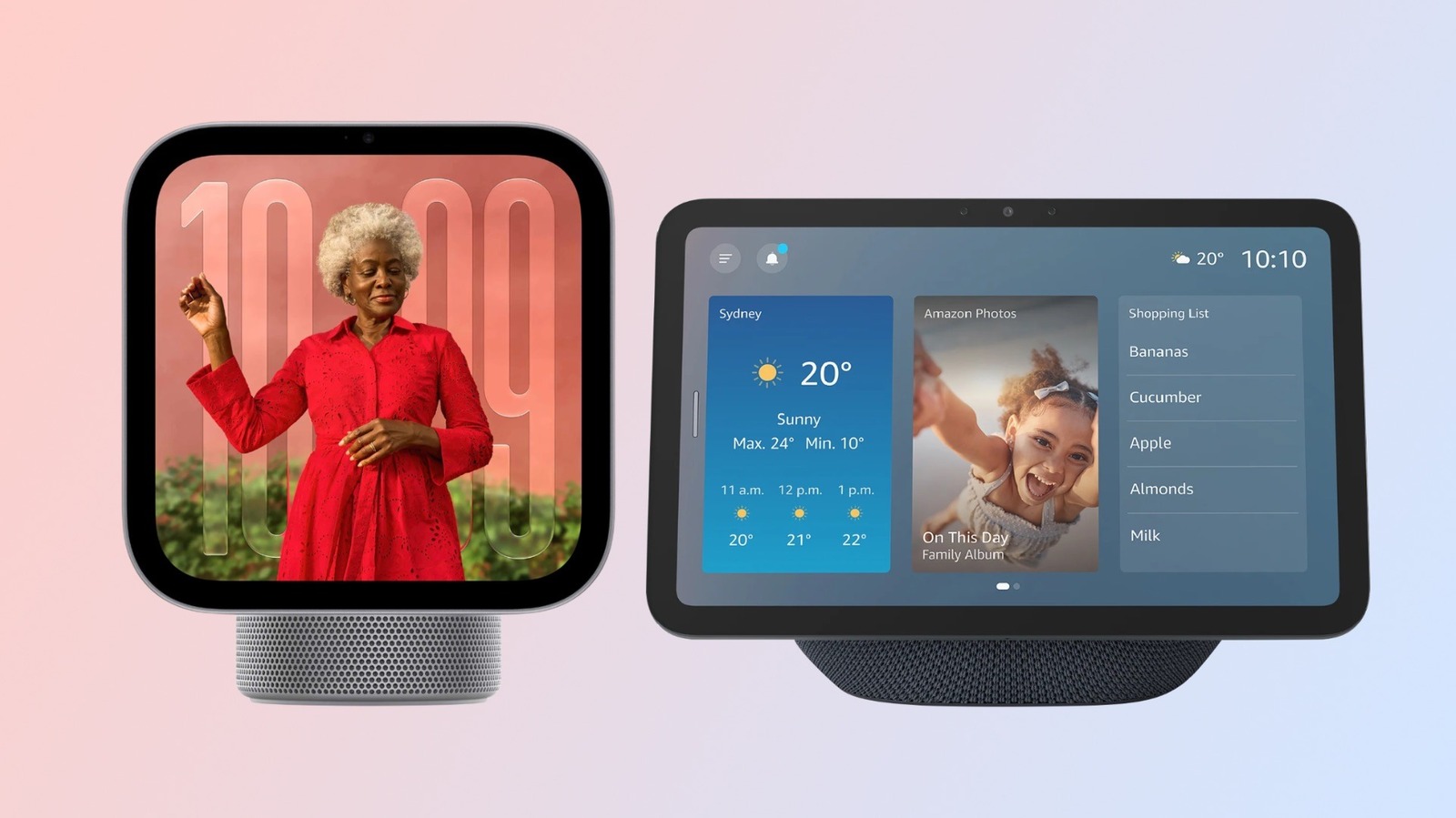
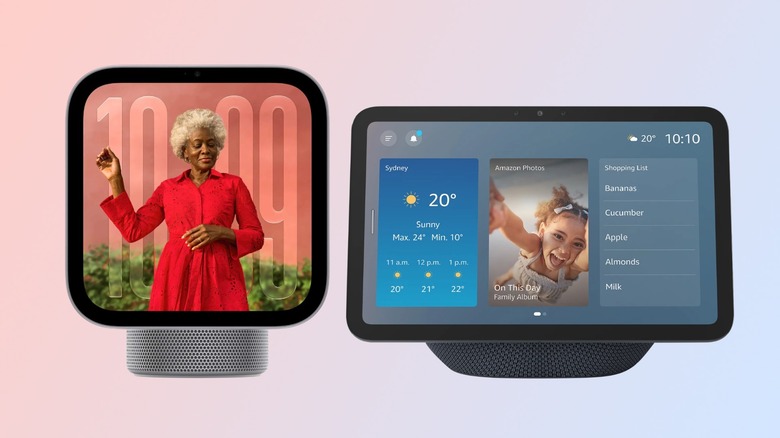
The differences start with size: While the HomeView is a new product and is available in a single version with a 7-inch square screen, Amazon offers a range of Echo Show devices with different screen sizes. The entry-level Echo Show has a 5.5-inch screen and costs $99 — but if you want to go bigger, there's even an Echo Show with a massive 21-inch screen for $499. They all share mostly the same features, although the 16-inch and 21-inch models can run Fire TV apps.
Amazon's Echo Show 8 is the one that can be easily compared to HomeView, with an 8.7-inch display. The aspect ratio is different, though, as Echo devices have widescreen displays and are better for watching 16:9 videos. The HomeView's square shape might annoy those planning to buy one to watch videos on it. Also on Apple's side, HomeView runs on the same A18 chip as the iPhone 16 — which probably makes it the most powerful smart display available. Amazon, on the other hand, makes custom chips for its Echo devices that aren't exactly designed to deliver Earth-shattering performance.
Both the HomeView and the Echo Show 8 have a built-in camera, but the software makes them work quite differently. The HomeView's 12-megapixel camera only works with FaceTime and a Mirror feature, and, of course, for facial recognition. With the Echo Show 8, you can take selfies with its 13-megapixel camera it or use it as a live-view camera to monitor your home. The sound specs are quite similar between the two of them, as both have two full-range drivers and a woofer. The HomeView's base also packs two passive radiators for a bit more low end.
Siri AI needs your iPhone, Alexa+ doesn't
Apple
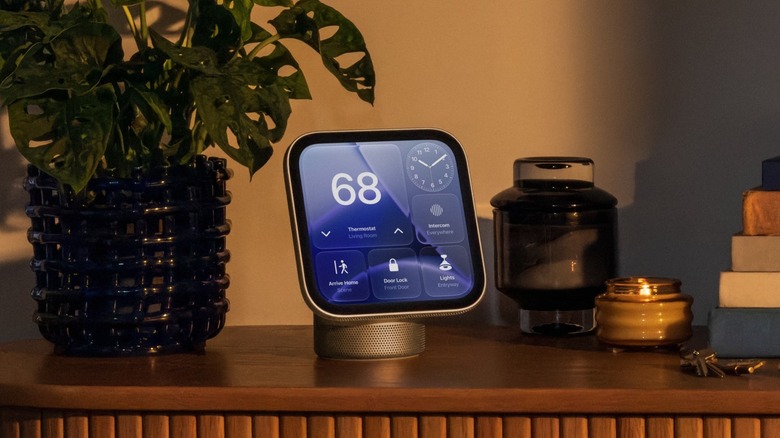
The biggest difference between the HomeView and Amazon devices is how they work. While the Echo Show is a standalone device linked to an Amazon account that can run directly on your network, the HomeView requires an iPhone or iPad to work — you can't set it up without one. On Echo Show devices, you can also use Alexa+ through your Prime membership to manage calendars, reminders and shopping without your phone. The HomeView comes with Siri AI built-in, but it can only handle personal requests if you have a recently unlocked iPhone 15 Pro or later paired with it and nearby.
Apps are also quite different. Amazon relies on Alexa Skills, which work as extensions that can be added to Alexa. For example, if you're an Apple Music subscriber, you can link your Apple Account to Amazon's assistant and ask it to play songs for you. The HomeView supports apps, but it has no App Store; it runs CarPlay apps instead and mirrors the apps you have installed on your iPhone. That alone severely limits the number of apps it can run, since there aren't many apps available for CarPlay.
Both the Echo Show and HomeView devices can have multiple profiles verified by voice and facial recognition. However, while Amazon lets users manually switch between profiles by asking Alexa, for example, HomeView does it all automatically — which, according to some early reviews, doesn't always work.
The truth is, both products target different users. Amazon treats the Echo Show as a standalone product that fits almost everyone. The HomeView is a different story — it's much more like an accessory for people who already own other Apple products and rely on the company's core apps and features.
KioskNews shows a cleaned-up reading view extracted from the publisher’s page — the original always lives on their site, not ours.