Willie Nelson's Farm Aid has raised over $90m for farmers in 41 years
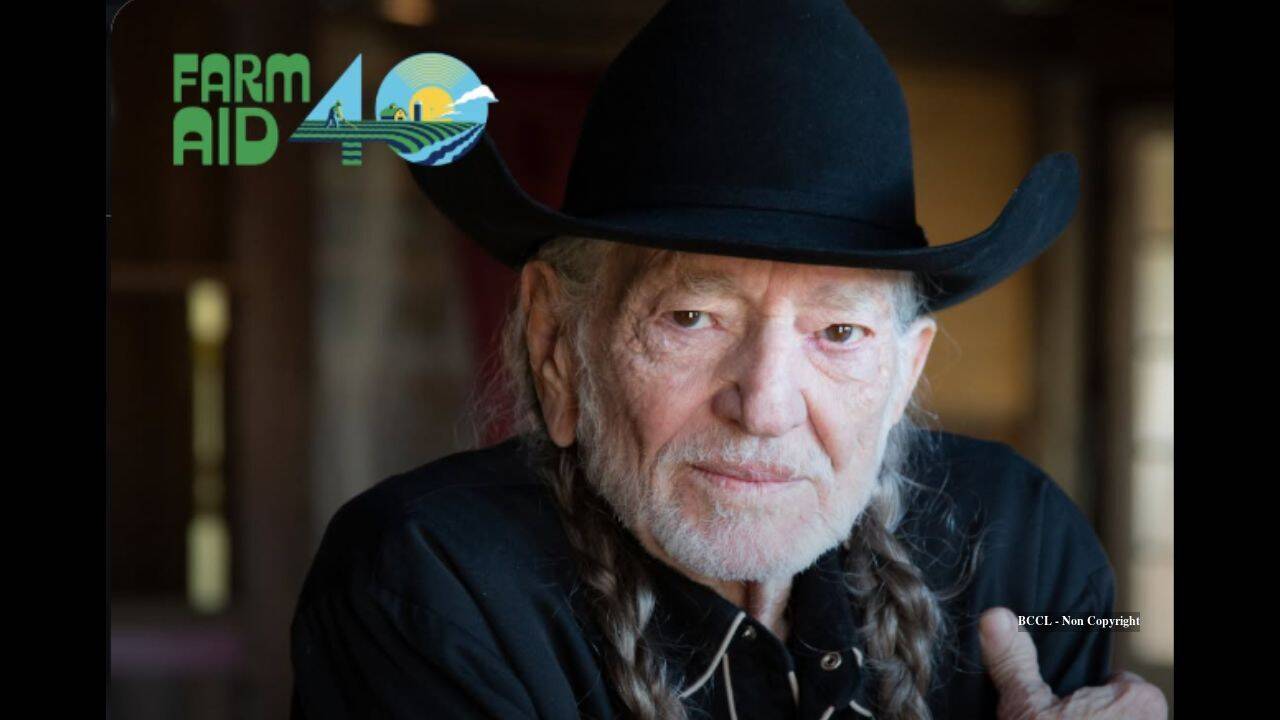
Willie Nelson Photo: Farm Aid / Instagram
In 1985, Willie Nelson joined fellow musicians Neil Young and John Mellencamp to launch Farm Aid at a moment when family farms across the United States were under severe financial pressure. Four decades later, the annual concert has become one of the country’s most recognisable examples of musicians turning a stage into a platform for social change.
According to Farm Aid, the organisation has raised more than $90 million since 1985 to support programs that help farmers thrive, expand access to food from family farms, and challenge the dominance of industrial agriculture.The 2026 festival showed that the mission remains far more than nostalgia. Held in Virginia Beach, the event brought together 14,000 attendees from every US state, Puerto Rico, the Virgin Islands, five Canadian provinces and 19 countries.
It also reached millions more through television and online broadcasts, with Farm Aid reporting 8.05 million CNN viewers and more than 3.1 million people watching its YouTube livestream.
How Farm Aid began
Farm Aid was created in response to the farm crisis of the 1980s, when falling prices, rising debt and broader economic upheaval left many family farmers struggling to hold on to their land. Nelson, Young and Mellencamp organised the first concert to raise money and public attention for farmers whose livelihoods were being threatened.
From the beginning, the idea was not simply to write cheques. Farm Aid positioned itself as an advocate for family-scale agriculture, arguing that the people who grow food should have a viable place in the American economy. The organisation’s stated work includes helping farmers thrive, expanding the reach of what it calls the Good Food Movement, and promoting food from family farms.That combination of music, fundraising and advocacy has proved durable.
More than 40 years after the first show, Farm Aid continues to stage an annual festival and to use the attention around it to connect consumers, policymakers and farmers.
The musicians behind the mission
Willie Nelson, Neil Young, John Mellencamp, Dave Matthews, Margo Price and Nathaniel Rateliff serve as Farm Aid artists and board members, hosting the annual festival. Their involvement has helped keep the cause visible across generations of music fans, while the artists themselves donate their performances each year.The 2026 event featured 18 artists who performed without payment in support of family farmers. That model remains central to Farm Aid’s identity: the concert is not merely a benefit show with famous names attached, but a recurring gathering of performers who lend their time and cultural influence to a long-running campaign.The festival also creates space for farmers to speak for themselves. Before the music began, seven Virginia farmers joined artists on stage for a press event, sharing their experiences and visions for agriculture.
Five farmers were also heard on the FarmYard stage, where they discussed pressing issues and shared stories about food and farming in their region and across the country.
What the 2026 concert achieved
The 2026 festival was attended by 14,000 people, but its reach extended well beyond the venue. Farm Aid reported 8.05 million viewers across CNN’s global platforms, more than 3.1 million YouTube livestream viewers, and 194 virtual watch parties across 31 states.The event generated 3,300 news stories, with coverage from outlets including Billboard and Rolling Stone. That attention matters because Farm Aid’s work depends not only on donations but on keeping the pressures facing family farmers in the public conversation.The festival also had a local impact. With help from Support+Feed, attendees donated 10,000 pounds of nonperishable food to the Foodbank of Southeastern Virginia and the Eastern Shore.
Volunteers from 33 states helped run the event, while 426 farmers and advocates took part in pre-festival events, trainings and farm tours.
Food, farming and community
Farm Aid’s 2026 festival made a deliberate effort to connect concertgoers with the people and products behind their food. Its HOMEGROWN Concessions program featured 71 items sourced from local farms, co-ops, food hubs and small businesses, including Virginia peanuts, Chesapeake poutine with hand-picked blue crab, and local cheeses.Six Virginia farmers supplied thousands of flowers, hundreds of corn shocks, pumpkins, gourds and hay bales for the venue’s decorations, along with a tractor. The HOMEGROWN Youthmarket gave young people from FFA, 4-H and Petersburg Is Growing the chance to share fresh produce and baked goods while explaining their work in local communities.There were also 45 HOMEGROWN Village exhibitors, offering hands-on activities about soil, water, energy and food.
Demonstrations covered restoring soil with cover crops, making salsa, processing wool and growing mushrooms at home, while a seed swap gave attendees a practical way to participate in the ideas being discussed.
More than a concert
Farm Aid describes its mission as broader than raising money for individual farmers. The organisation says its work aims to expand the reach of the Good Food Movement, take action to change the dominant system of industrial agriculture, and promote food from family farms.The 2026 event reflected that wider ambition. Twelve policymakers from Virginia spoke with farmers, learned about their challenges and discussed ways to support family farm agriculture. The festival also brought together artists, farmers and advocates for conversations about land, family and legacy, rather than treating farmers only as beneficiaries of charity.Even the environmental details carried the message. Working with Tidewater Compost, Farm Aid diverted more than 12,000 pounds of organic material from landfills to support future crops in Virginia.
A legacy still growing
More than 41 years after Willie Nelson, Neil Young and John Mellencamp launched Farm Aid, the organisation has raised more than $90 million. The figure represents decades of concerts, donated performances, volunteer labour and public support for a cause that began during a national farm crisis.
The 2026 numbers suggest that the model still resonates. Thousands attended in person, millions watched remotely, and the festival generated both money and attention for family farmers.Farm Aid’s lasting achievement may be less about any single dollar amount than about its persistence. What began in 1985 as an urgent response to farmers in trouble has become an annual institution that continues to connect music fans with the people who grow the country’s food.
KioskNews shows a cleaned-up reading view extracted from the publisher’s page — the original always lives on their site, not ours.