10 God-Tier Horror Movies, Ranked


Sign in to your Collider account
Calling a horror movie god tier should mean something heavier than scary. A jump scare can work once. A clever monster can dominate a weekend. But, the real giants of horror keep crawling back into the mind even years later because they understand fear as something physical, social, spiritual, and horribly personal.
They pull this off by weaponizing the very things that make us feel safe. Instead of relying on cheap tricks, they crawl under your skin and force you to sit with your own worst anxieties long after the credits roll. Here are 10 god-tier horror movies, ranked.
10 'Get Out' (2017)
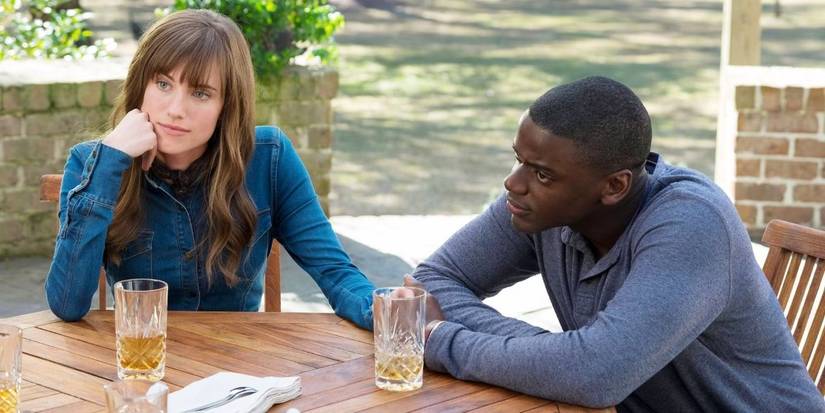
Get Out begins with Chris Washington (Daniel Kaluuya) doing something ordinary and deeply uncomfortable, packing for a weekend with his girlfriend Rose's (Allison Williams) wealthy white parents. The horror creeps in through smiles that last too long, compliments that sound like ownership, and polite conversations where every word feels loaded. Also, the estate feels airless before the hypnosis ever begins.
Then Georgina’s (Betty Gabriel) hollow smile breaks, tears slide down her face, and the whole movie turns colder. Chris is being manipulated from every direction, yet everyone around him keeps acting like he is unreasonable for sensing danger. The Sunken Place remains such a brutal image because it takes the abstract feeling of helplessness and makes it completely visible. It is suffocating to watch. Ultimately, Get Out earns its god-tier status because the terror never stops evolving, starting as a polite social trap, turning violently physical, and ending with Chris having to literally claw his way back into his own life.
9 'Night of the Living Dead' (1968)
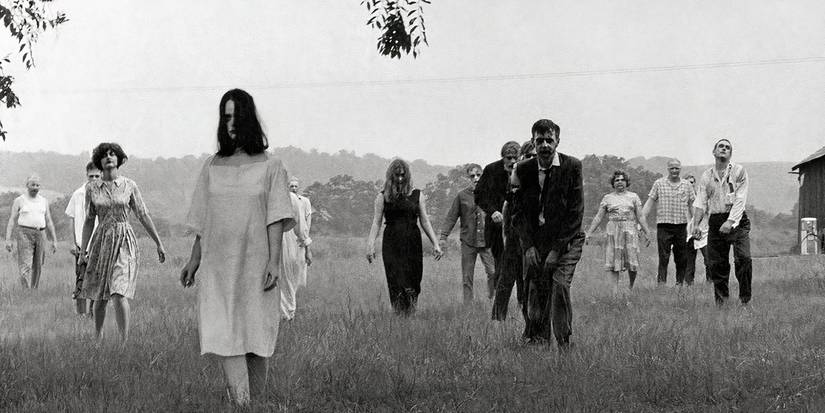
A cemetery visit should feel dull, even irritating, and that is exactly why Night of the Living Dead still hits so hard. It follows Barbra (Judith O'Dea) and her brother, who arrive in rural Pennsylvania for a routine graveyard stop, then one slow-moving stranger turns the entire world upside down. The first attack feels clumsy and wrong in the most frightening way, like reality has forgotten its own rules.
Once Ben (Duane Jones) reaches the farmhouse, the movie becomes pure pressure. Boards are hammered over windows. Radios spit out panic. Strangers argue about basements, doors, guns, and who gets to decide. Outside, fists keep pounding against the wood with that dead, patient rhythm. The horror is bleak because the house falls apart from the inside as much as the outside. Romero’s film is unflinchingly cruel, and that final image makes the whole nightmare feel even more hopeless.
8 'Halloween' (1978)
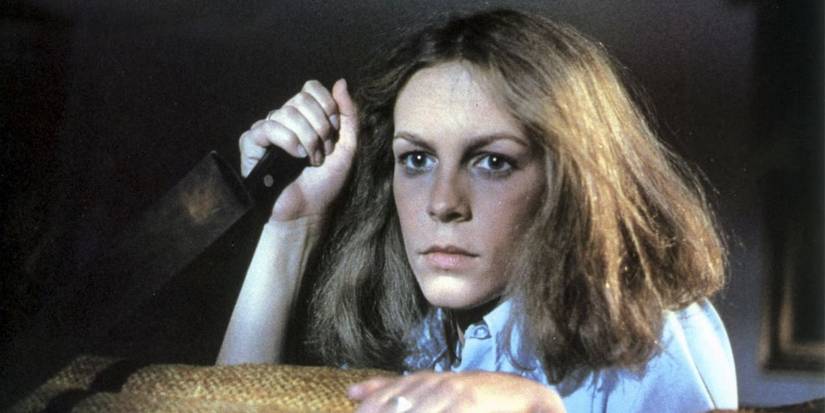
Halloween turns a suburban afternoon into a warning sign. The film starts with Laurie Strode (Jamie Lee Curtis), who walks through Haddonfield with books in her arms, and the neighborhood looks ordinary enough to be boring. Then Michael Myers (Nick Castle) appears in the distance, standing across the street, near the school, outside a house, always still enough to feel less like a man than a break in the day itself.
The film understands that stalking is rhythm. The breathing behind the mask, the empty sidewalks, the glances over Laurie’s shoulder, and the way shadows seem slightly occupied all build a kind of relentless dread. Once Laurie actually has to hide kids in dark closets, the movie abandons the slow burn and turns babysitting into pure survival. The genius is its simplicity. No grand explanation from his pursuing psychiatrist Dr. Sam Loomis (Donald Pleasence) can improve that blank white face. Michael invades because he can, and Laurie survives because she keeps fighting after terror should have frozen her.
7 'The Texas Chain Saw Massacre' (1974)

The Texas Chain Saw Massacre feels less like a movie than footage someone found drying in the heat. Sally Hardesty (Marilyn Burns) begins on a sweaty road trip with friends, trapped in a van where the air feels stale. The hitchhiker encounter poisons the day before the farmhouse even appears, setting the tone for a Texas backroad nightmare where every stranger feels unpredictable.
Once Leatherface (Gunnar Hansen) enters, the film stops pretending anyone is safe. The chainsaw’s metallic shriek rips through the heat, bodies vanish into rooms, and Sally’s terror becomes almost exhausting to witness. Her face by the end is pure horror. Bloodshot eyes, dirt, sweat, panic, and a body running long after reason has broken. The dinner scene is still viscerally disgusting because it feels noisy, sticky, and endless. Undoubtedly, this is god tier horror as sensory assault, sunburned and screaming until the final sunrise.
6 'The Thing' (1982)
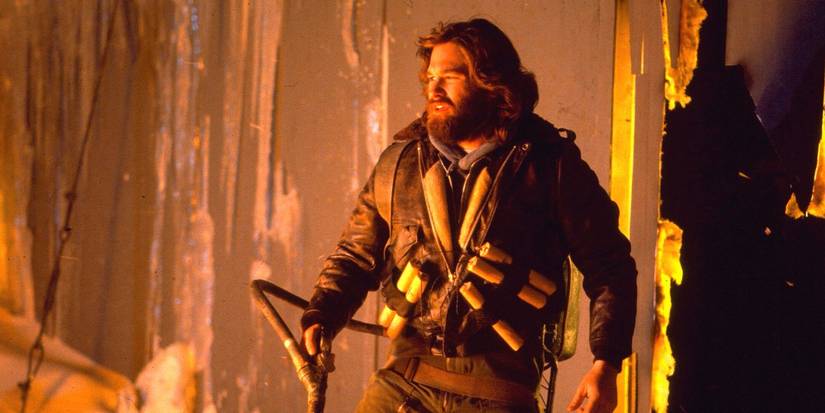
A Norwegian helicopter arrives at an isolated Antarctic research station, its occupants desperately trying to kill a seemingly harmless sled dog. The Americans intervene, unaware that the animal is carrying an organism capable of perfectly imitating whatever it consumes. In John Carpenter's The Thing, helicopter pilot R.J. MacReady (Kurt Russell) gradually realizes that any of his colleagues could already have been replaced. Suddenly, ordinary conversations become terrifying, especially when someone disappears for even a few minutes.
The blood-testing part is practically impossible to watch calmly. MacReady ties his colleagues to chairs and touches samples of their blood with a heated wire, knowing an infected person's blood will react. When Palmer's (David Clennon) sample suddenly leaps from the dish, everyone erupts in panic. And after all the grotesque transformations and desperate attempts to destroy the creature, the film leaves MacReady and Childs (Keith David) sitting together in the freezing ruins. Neither can establish whether the other is human. Completely maddening, and absolutely brilliant.
5 'Alien' (1979)
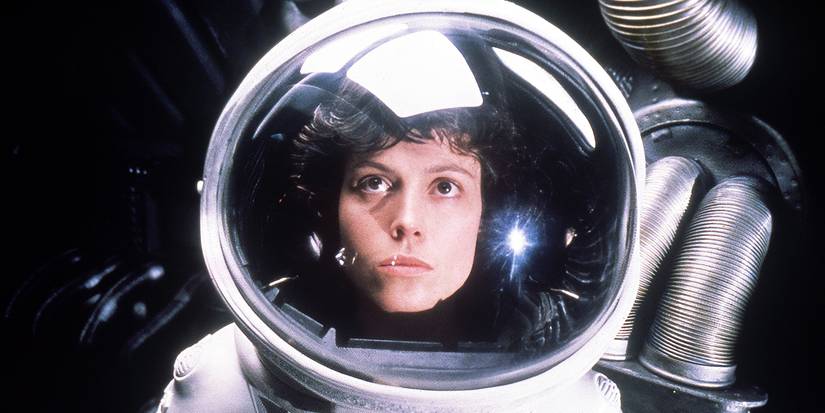
Alien makes space feel like a workplace that has become a tomb. The story follows Ellen Ripley (Sigourney Weaver) and the crew of the Nostromo, including Captain Dallas (Tom Skerritt) and the ill-fated Kane (John Hurt) , who are not really adventurers. In fact, they are tired workers dragged out of stasis to answer a signal they should have been allowed to ignore. The ship is all corridors, steam, grime, chains, dripping pipes, and bad lighting, which makes the alien feel like it belongs there before anyone understands what it is.
The motion tracker beep is enough to ruin the nerves. Something is moving nearby, but the darkness keeps refusing to give it shape. The creature is perfect because it attacks every human assumption at once such as birth, sex, machinery, survival, and corporate greed. And, of-course, Ripley crawling through the ship, sweating and holding herself together, remains one of horror’s purest survival images. This is claustrophobic terror made perfectly industrial.
4 'Jaws' (1975)
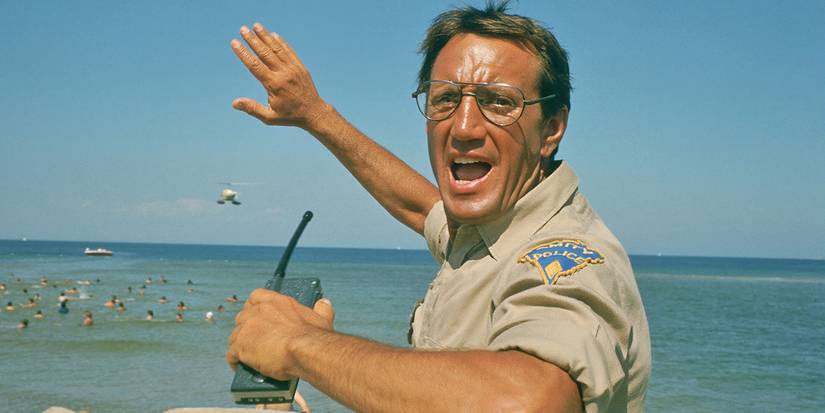
The cruel trick of Jaws is that the beach stays beautiful. Amity looks sunny, busy, and profitable, which makes Chief Martin Brody (Roy Scheider) seem almost rude for panicking. He knows something is wrong in the water, but politics, business, and denial keep pushing people back into the ocean. That is where the movie gets its bite before the shark fully arrives.
The movie turns open water into a locked room. Brody scans the waves like he is trying to read a blank wall. A yellow barrel disappears under the surface, and suddenly the invisible threat has weight. When Brody, Hooper (Richard Dreyfuss), and Quint (Robert Shaw) are trapped on that small boat, the movie becomes mythic without losing its sweat. Surely, the shark is terrifying, but the human fear around it is what makes Jaws instantly eternal. The surface looks calm, and something underneath is hungry.
3 'Psycho' (1960)
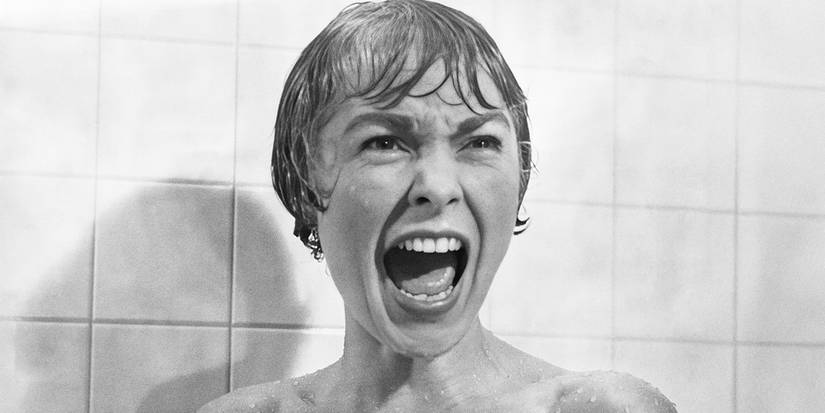
Psycho is all about guilt, cash, rain, and one terrible decision. This masterpiece follows Marion Crane (Janet Leigh), who steals $40,000 and drives into a storm, toward the kind of mistake that keeps getting heavier with every mile. The Bates Motel appears like a punishment disguised as shelter, empty and quiet beneath that looming house.
Norman Bates (Anthony Perkins) is frightening because he seems so soft at first. The sandwiches, the shy smile, the talk of his mother, the nervous politeness, all of it feels sad before it feels dangerous. Then the shower curtain reveals a silhouette, and cinema changes forever. The violence is shocking, but the aftermath is almost worse. The water just keeps running. Blood circles the drain. Marion’s vacant eye stares at absolutely nothing. Hitchcock rips away the person viewers thought they were following, then leaves them alone with Norman’s smile. Horror rarely feels this cleanly, shockingly cruel.
2 'The Shining' (1980)
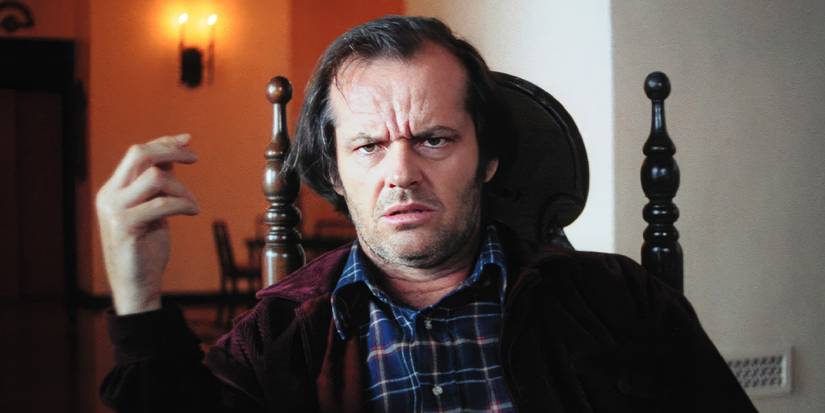
In The Shining, the Overlook Hotel does not feel empty. That is the nightmare. Jack Torrance (Jack Nicholson) brings Wendy Torrance (Shelley Duvall) and Danny (Danny Lloyd) into those huge winter halls hoping for quiet, work, and maybe repair. Instead, the building seems to stretch time, echo footsteps, and feed every bad thing already living inside him.
The details are unforgettable because they feel lodged in the nervous system. Danny’s Big Wheel shifting from hardwood to carpet. Jack staring through windows. The repeated sentence on the page.The telepathic warnings of chef Dick Hallorann (Scatman Crothers). Wendy backing up the staircase with a baseball bat while the man she loves grins like he has vanished behind his own face. Forget the ghosts. The actual nightmare is just watching Jack completely lose his mind. Cabin fever, male rage, addiction, and supernatural rot all merge until the family has nowhere warm left to hide. The Shining is genuinely god tier because it makes madness feel architectural.
1 'The Exorcist' (1973)
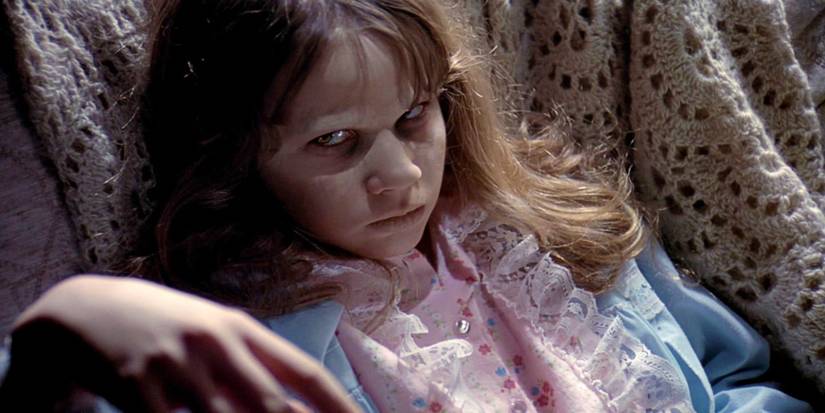
There is a reason this easily takes the top spot. The Exorcist takes the concept of pure evil and turns it into a suffocating home invasion. The nightmare follows Chris MacNeil (Ellen Burstyn) as she works in Georgetown while her daughter Regan's (Linda Blair) strange behavior begins with noises, illness, and things no doctor can explain. The horror grows through exhaustion first. Tests, questions, fear, sleeplessness, and a mother watching medicine fail her child again and again.
Then Regan’s bedroom becomes the most frightening room in horror. The air freezes. The bed shakes. Breath turns to condensation. The voice coming from the child feels ancient, obscene, and impossible to reason with. Father Damien Karras (Jason Miller) and the veteran Father Merrin (Max von Sydow) enter carrying guilt, doubt , and spiritual fatigue, and the ritual becomes as much about his broken faith as the demon in front of them. You watch this and it completely ruins you because it feels way too real. It just reaches out and grabs everything from your faith to your sanity right by the neck.
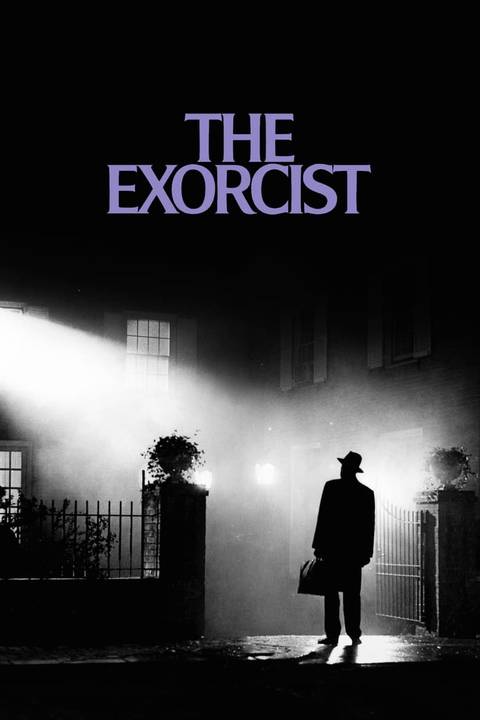
The Exorcist
- Release Date
- December 26, 1973
- Runtime
- 122 minutes
- Director
- William Friedkin
- Writers
- William Peter Blatty
KioskNews shows a cleaned-up reading view extracted from the publisher’s page — the original always lives on their site, not ours.