Singapore minister: Those found rummaging through bins for drink containers face up to S$1,000 fine but advisories take priority
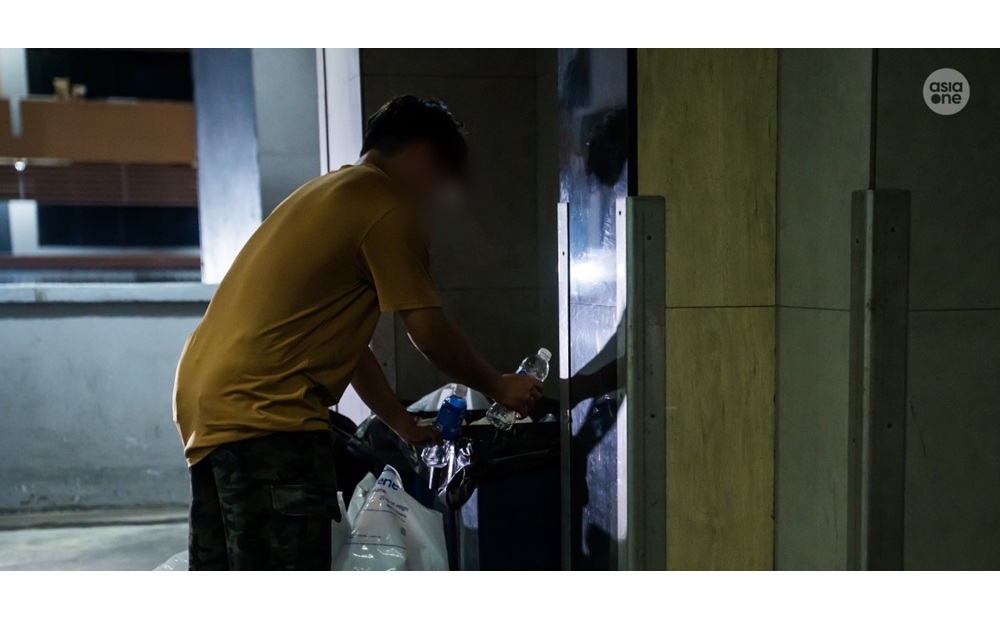

As at September 27, over 48 million beverage containers have been collected, with the average number of containers per transaction increasing from 2.8 in April to 8.2 in September. — AsiaOne pic
First Published: Wednesday, 04 Nov 2026 2:02 PM MYT
xSINGAPORE, Nov 4 — Members of the public are discouraged from rummaging through refuse bins for empty drinks containers, regardless of whether the act causes any public hygiene issue, said Minister for Sustainability and the Environment Grace Fu in Parliament yesterday.
“Apart from the potential disamenities to the wider community, there are also hygiene and safety concerns for the individuals doing so,” the minister explained in a written reply to MP Yeo Wang Ling (Punggol GRC).
The second-term MP had asked what will guide the authority’s enforcement approach towards those found removing beverage containers from public refuse bins, including in instances where no waste is scattered or no public hygiene issue is caused.
Under the Environmental Public Health (Public Cleansing) Regulations, combing through a refuse bin or removing items from it carries a fine of up to S$1,000 (RM3,181) for a first offence, with a further S$100 for each day the offence continues.
Fu noted that even before the Beverage Container Return Scheme (BCRS) was introduced, the National Environment Agency (NEA) would occasionally receive feedback on individuals rummaging through refuse bins, adding that NEA focuses first on public education to promote good hygiene practices.
And when such actions are detected, the agency takes a calibrated approach in determining whether enforcement action will be taken, she said.
“Where individuals are found rummaging through public refuse bins without leaving litter on the ground, our officers may provide an advisory.”
NEA may also refer such agencies to social agencies for further support, if they are assessed to be vulnerable individuals.
The Ministry of Social and Family Development and its community partners use the Vulnerable-in-Community Network to connect with these individuals, understand their situation and give them the support they need, the minister said.
BCRS became fully operational on Thursday (October 1), following a six-month transition period.
As at September 27, over 48 million beverage containers have been collected, with the average number of containers per transaction increasing from 2.8 in April to 8.2 in September.
Around 55 per cent of materials collected are plastics, while the remaining 45 per cent are metal, NEA shared in an update on October 1. — AsiaOne
KioskNews shows a cleaned-up reading view extracted from the publisher’s page — the original always lives on their site, not ours.