Two-headed snake pottery suggests ancient Roman mystery cult spanned over 2,000 miles
Breakthroughs, discoveries, and DIY tips sent six days a week.
By signing up, you confirm you are 16+, will receive newsletters and promotional content and agree to our Terms of Use and acknowledge the data practices in our Privacy Policy. You may unsubscribe at any time.
A recently excavated, 2,000-year-old ancient Roman artifact suggests that followers of secretive cult were more widespread than historians initially thought. Based on findings recently detailed in the journal Antiquity, a skyfather named Sabazios from present-day Turkey boasted worshippers as far away as northeastern Spain.
Ancient Rome’s primary pantheon of deities like Jupiter, Minerva, Juno, Mars, and Vulcan are fairly well-known today. But for every Apollo or Neptune, there were hundreds of minor gods and goddesses worshipped across the vast empire. These entities often evolved in diversity and complexity depending on regional influences and traditions.
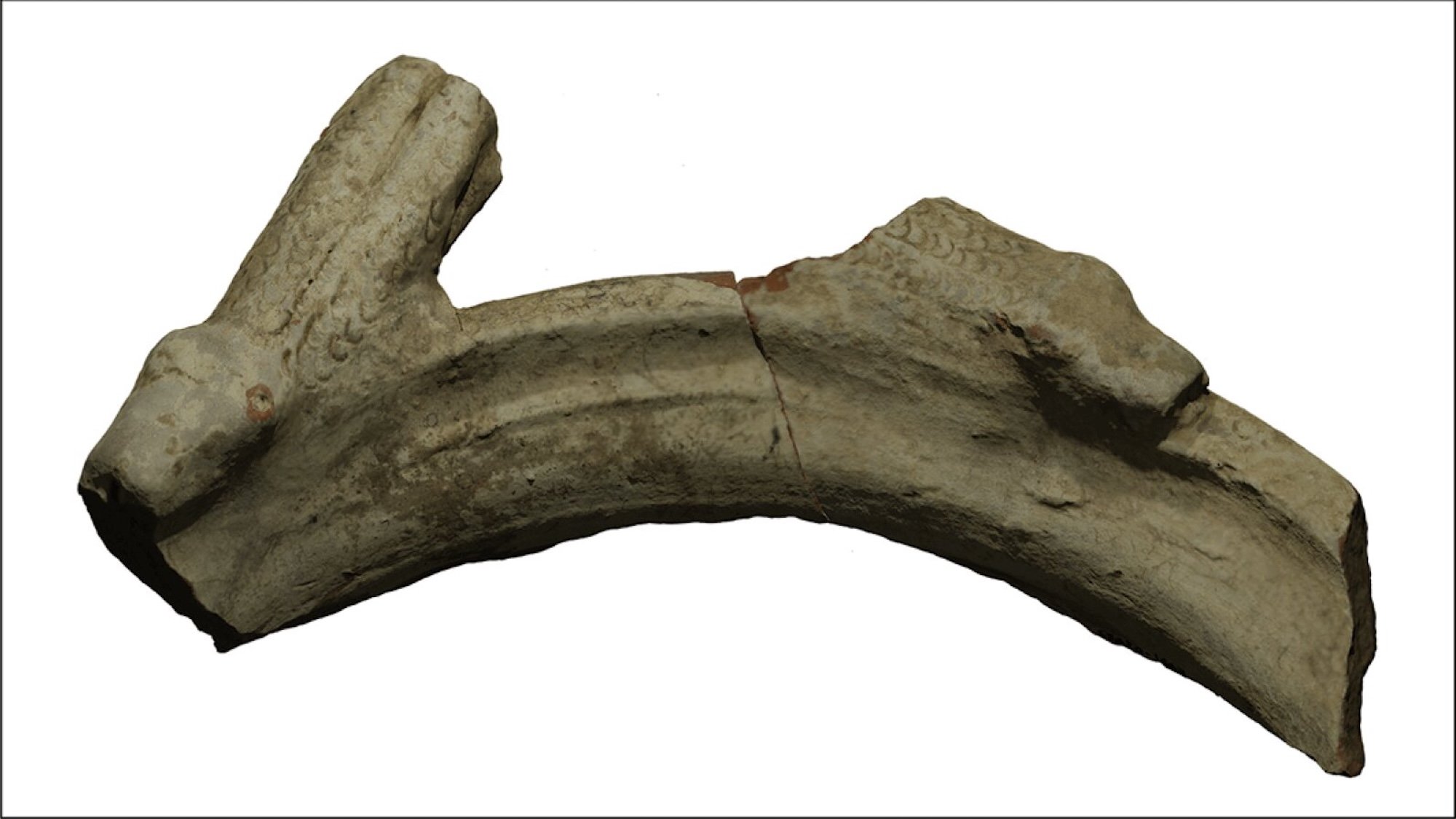
While digging at the site of a Roman villa about 200 miles east of Madrid in Spain, archaeologists from the University of Girona discovered a striking artifact that points to a similarly mysterious cult that existed in the area around 2,000 years ago. Pottery fragments featuring a handle crafted to resemble a two-headed snake suggest at least some locals dedicated themselves to the god Sabazios. While minor religious groups were common at the time, the deity’s location makes the find particularly interesting. The skyfather horseman Sabazios traces back to Thrace and Phrygia, regions located about 2,000 away, across present-day Turkey and the Balkans.

Sabazios’ origins date back at least 3,000 years, and likely solidified as migrating Indo-European Phrygians settled in Anatolia, Turkey. Despite always being depicted on horseback and wielding a staff of power, ancient Greeks came to associate the sky god with both Zeus and Dionysus. Followers of Sabazios may have even come into conflict with Indigenous Phrygians who worshipped a mother goddess named Cybele. Historians cite the poet Homer, who wrote of a young Priam’s alliance with the Phrygians against the Amazons.
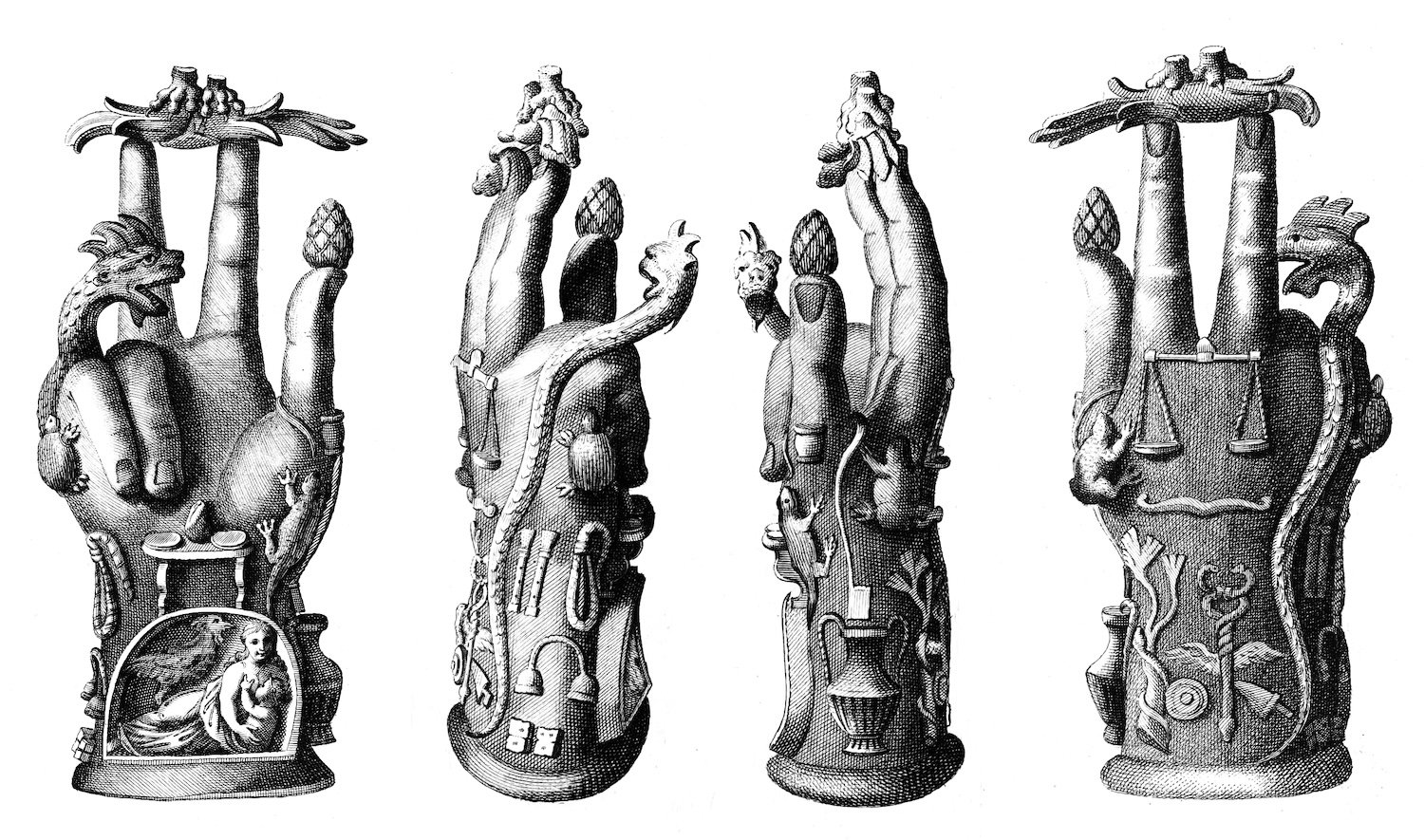
Sabazios remained associated with Jupiter as well as Mercury amid the Roman era, and was most commonly symbolized by small brass or copper votives crafted into hands and decorated with numerous symbolic embellishments like pinecones, rings, and lightning bolts. However, historians are still unsure about the exact meaning behind these images.
Archaeological layers and surrounding artifacts indicate the Roman villa vessel dates back to around the reign of Emperor Augustus between 27 BCE and 14 CE. Mineral analysis could not conclusively identify the pot’s geographic origins, but certain details indicate it may have come from North Africa.
Snakes are a common religious motif across ancient Rome and were associated with multiple deities, including Mithras. Despite this, the researchers still believe the pottery shards likely reference Sabazios based on previous finds at nearby sites. Archaeologists identified a portable bronze triptych with two of its three panels still intact inside of a tomb in present-day Catalonia dating to the same era. The triptych’s central image is Sabrazios surrounded by his cultic symbols.
While there is no clear explanation for how the worship of Sabazios traveled from central Asia, the study’s authors suggest a wandering priest from an eastern province operated in the region at the time. At some point, residents of the villa then incorporated the once foreign god into their private worship at home. If true, the discovery could dramatically expand the known reach of even the more obscure Roman cults.
“Apparently minor cults were not confined to restricted areas, but could have constituted extensive cultic networks within the wider Roman empire,” the study’s authors wrote.
KioskNews shows a cleaned-up reading view extracted from the publisher’s page — the original always lives on their site, not ours.