‘Build here, scale here’: IIT alumni body urges institution's diaspora to ‘come home’ to India amid US green card crackdown
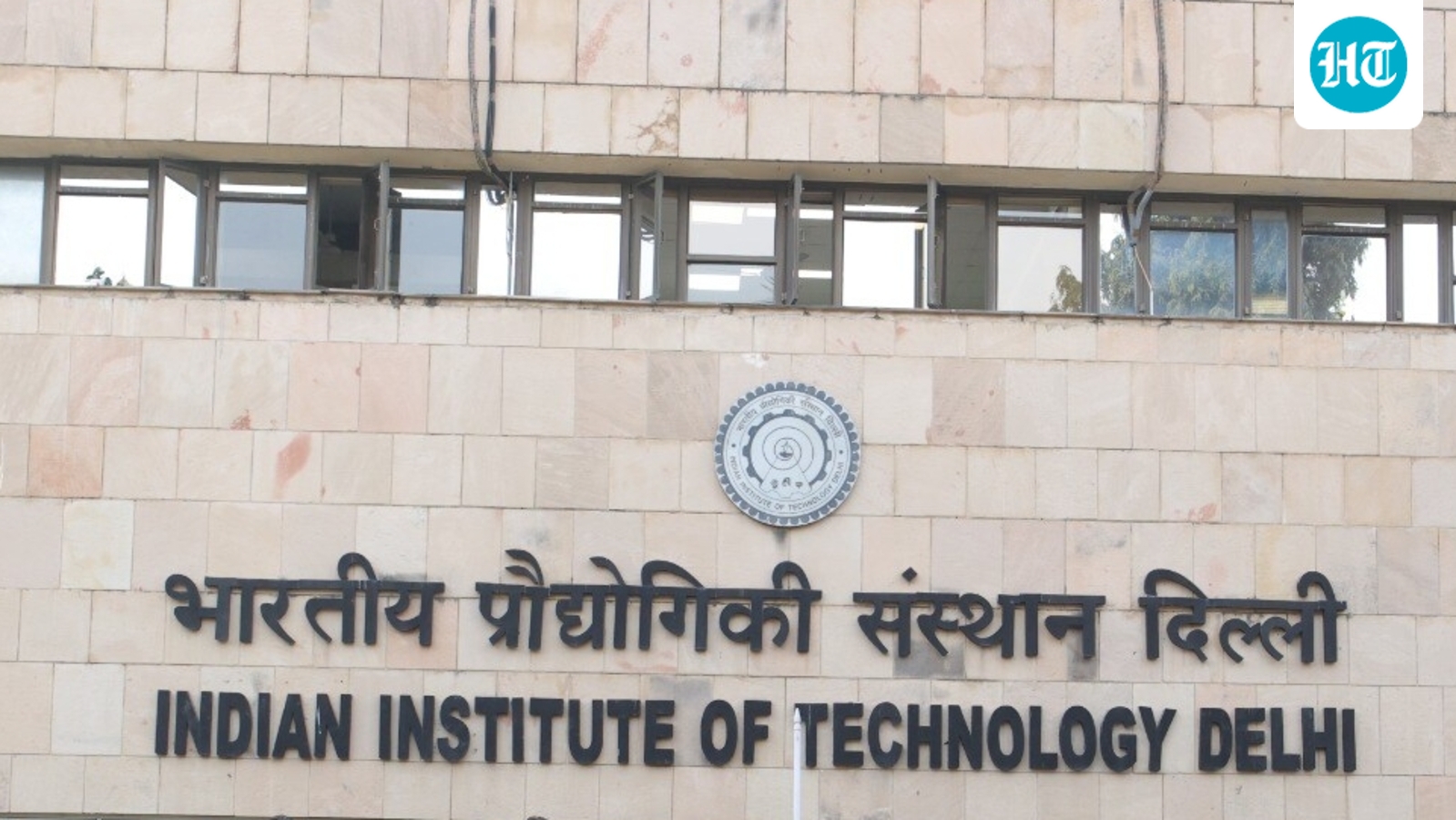
Pan IIT Alumni India, the umbrella body representing alumni of all 23 Indian Institutes of Technology (IITs), on Friday urged the global IIT diaspora to “come home” and “build here, scale here, contribute here”, amid the United States' decision to freeze Green Card filings by eight companies, including Indian IT majors Tata Consultancy Services (TCS) and Infosys.
The alumni body described its appeal as “not a rejection of the world” but “an invitation to come home to a nation that has arrived”, arguing that India now offers opportunities in research, deep tech, and innovation that had previously driven many skilled professionals to leave the country.
Pan IIT Alumni India is a registered society representing more than 500,000 IIT alumni worldwide. The organisation, operating from IIT Delhi, promotes India as a source of innovative technology solutions and serves as a platform for policy engagement, mentorship, and collaboration across the global IIT diaspora.
What the IIT alumni body said
In a statement, the alumni body expressed concern over the US administration’s action against the permanent labour certification programme, known as Program Electronic Review Management (PERM), and the treatment of skilled Indian professionals on H-1B visas.
While acknowledging the sovereign right of countries to frame their immigration policies, it called for their implementation to be “fairly, transparently, and without stigmatising a community of professionals whose contributions to the American economy and society are well documented”.
“For over five decades, Indian engineers and technologists — a large number of them IIT alumni — have been among the most productive contributors to American innovation, research, and industry,” the statement said, adding that they had built products, filed patents, founded companies and created jobs in the US.
The alumni body also criticised the collective characterisation of Indian professionals as “indentured servants”, calling it “neither accurate nor fair”.
The statement comes amid a widening US crackdown on skilled-worker immigration. On Thursday, the US Labour Department suspended PERM filings involving eight companies — Cognizant, Infosys, TCS, Wipro, HCL Technologies, Microsoft, Adobe and Capgemini — and opened investigations into nine universities, citing concerns over fraud and American job losses.
PERM certification is required for most employment-based Green Card applications. Under the process, employers must demonstrate that hiring a foreign worker will not adversely affect the wages, working conditions or job opportunities of American workers. The freeze does not appear to directly affect existing H-1B visa holders, but could disrupt a key route through which employers sponsor temporary foreign workers for permanent residency.
Against this backdrop, Pan IIT Alumni India said the developments should also prompt a reassessment within the Indian diaspora of career opportunities at home. It argued that the factors that once compelled many of India’s brightest engineers to seek opportunities abroad — including the lack of world-class research opportunities, deep-tech infrastructure and patient capital — had changed.
“India today offers the challenges and opportunities that were once only available abroad,” it said, renewing its appeal to IIT alumni overseas: “From Silicon Valley to the Indus Valley — build here, scale here, contribute here.”
Prabhat Kumar, an Indian Revenue Service (IRS) officer and chairman of Pan IIT Alumni India, said the latest developments highlighted the risks of building a career dependent on immigration status.
“For decades, we celebrated when our brightest minds left for American shores. It is time we asked what we lost in the process. A visa was never a stable foundation for a career, and this week's events prove it,” he said.
“The most exciting problems — and the greatest impact — now await our engineers at home. Build here. Scale here. Die here,” he added.
KioskNews shows a cleaned-up reading view extracted from the publisher’s page — the original always lives on their site, not ours.