Chinese researchers extend future memory endurance 100-fold in semiconductor advance
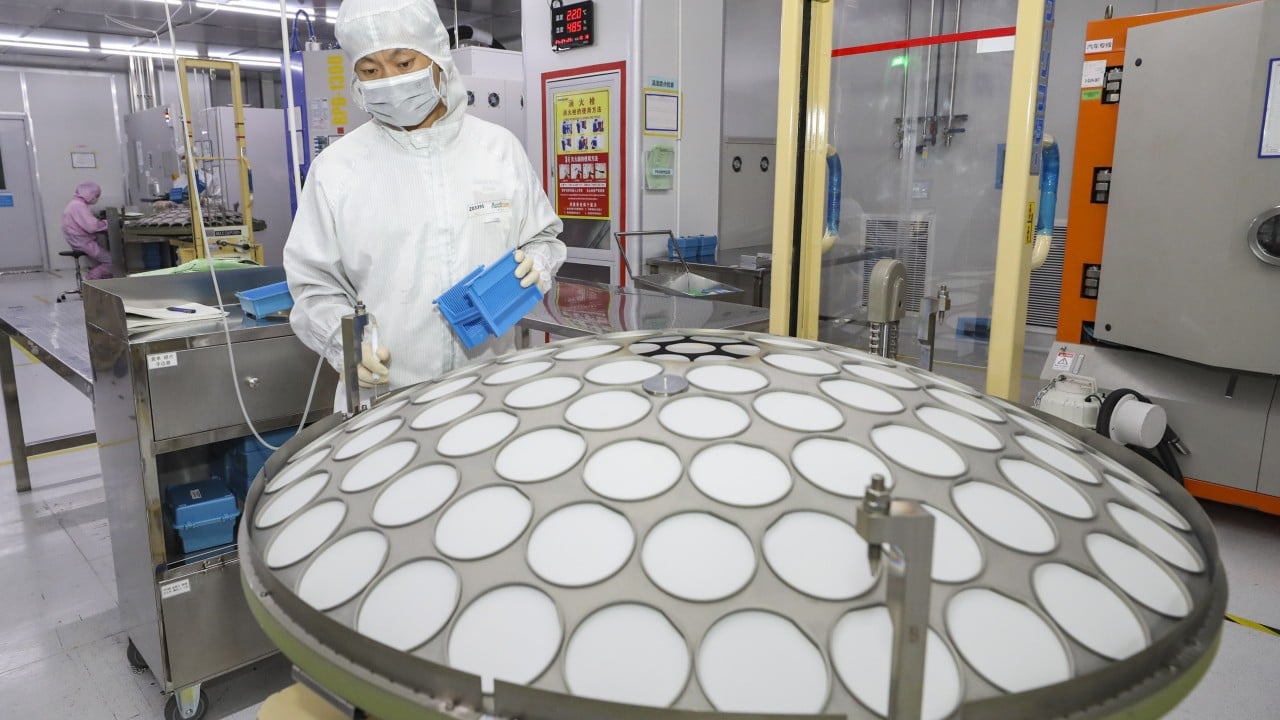
Chinese researchers have developed a way to make an emerging type of memory chip much more durable, potentially overcoming a critical reliability barrier to its use in high-performance computing and future artificial intelligence systems as the AI boom drives demand for more advanced semiconductors.
The team demonstrated more than 10 billion writing cycles in wurtzite ferroelectrics, a class of materials that can switch between two electric states to store data. The result was roughly 100 times the endurance previously achieved with the same material and could help advance a potential next-generation memory technology, according to an online report published on Saturday by local media outlet Xian Daily.
The breakthrough looks to bring ferroelectric memory closer to practical use in future computing hardware.
The research, led by scientists at Xian-based Xidian University in collaboration with City University of Hong Kong and Fudan University, was published on Thursday in the journal Science.
In recent years, wurtzite ferroelectrics such as aluminium scandium nitride, or AlScN, have gained attention as promising next-generation memory materials because they offer rapid switching speeds and potentially low energy consumption.
Crucially, AlScN is also compatible with existing semiconductor manufacturing processes, potentially streamlining its integration into future memory devices.
However, the material has faced a significant hurdle: deterioration after repeated electrical switching. Existing AlScN devices have typically failed after roughly 100 million writing cycles – far shy of the billions required for commercial application.
KioskNews shows a cleaned-up reading view extracted from the publisher’s page — the original always lives on their site, not ours.