Injured Hong Kong delivery rider seeks full trial on employment status question
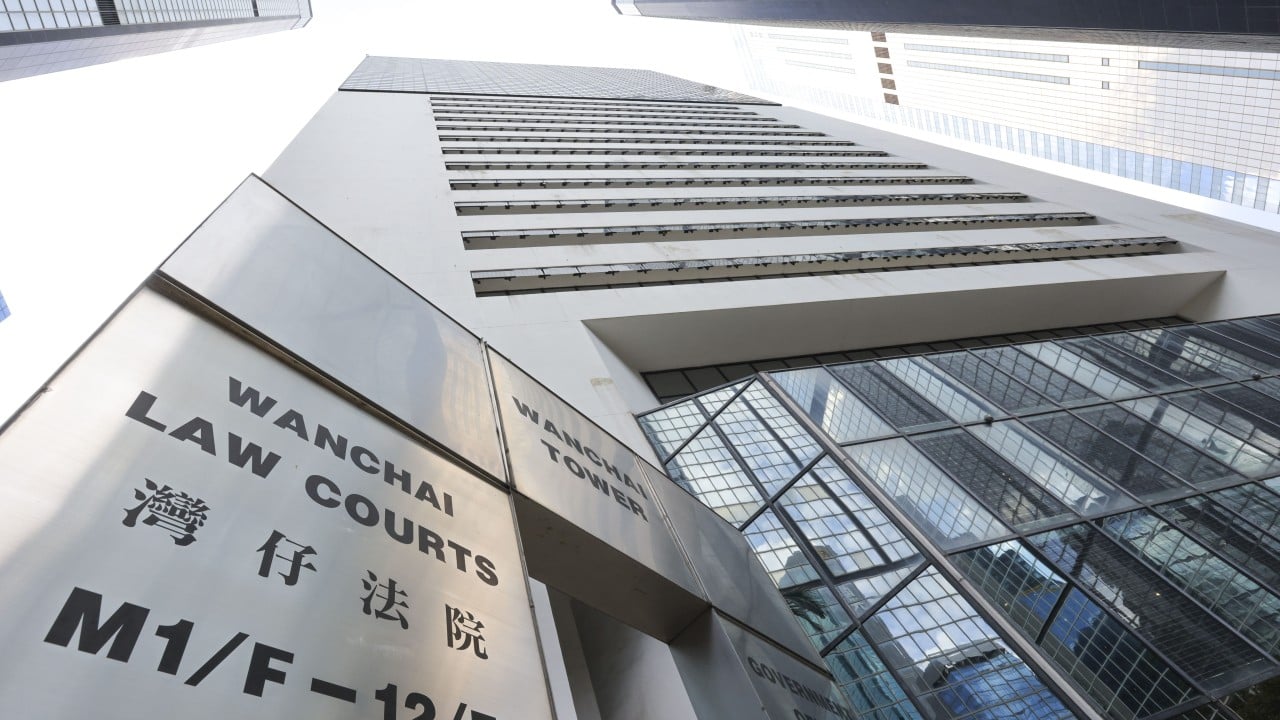
A former Deliveroo rider who suffered severe brain injuries in a traffic accident has taken the platform to a Hong Kong court to seek compensation, arguing that resolving the legal question of his employment status at the time of the accident warrants a full trial.
In the District Court on Tuesday, Deliveroo’s Hong Kong liquidator applied to strike out the lawsuit, contending that the injured worker, Lok Sze-chu, offered only a “bare assertion” to support his claim of being entitled to compensation as an employee.
Despite Deliveroo announcing its exit from the Hong Kong market in April 2025, Lok had continued the legal action to seek a ruling from the court on how an employment relationship between the platform and freelance workers should be recognised.
Deliveroo liquidated its Hong Kong operation and sold a portion of its assets, with its liquidator representing the company in the ongoing proceedings.
Lok had earlier sought a ruling from the court on how an employment relationship between the platform and freelance workers should be recognised.
If recognised as an employee, Lok would be entitled to statutory compensation under the Employees’ Compensation Ordinance.
This could lead to him getting a higher payout than the one he received under the platform’s personal accident insurance. The actual amount Lok claimed was not disclosed in court.
Hong Kong labour law states that workers suffering temporary incapacity are entitled to “work injury sick leave pay” – 80 per cent of employees’ monthly salary at the time of the accident – for a maximum period of two years.
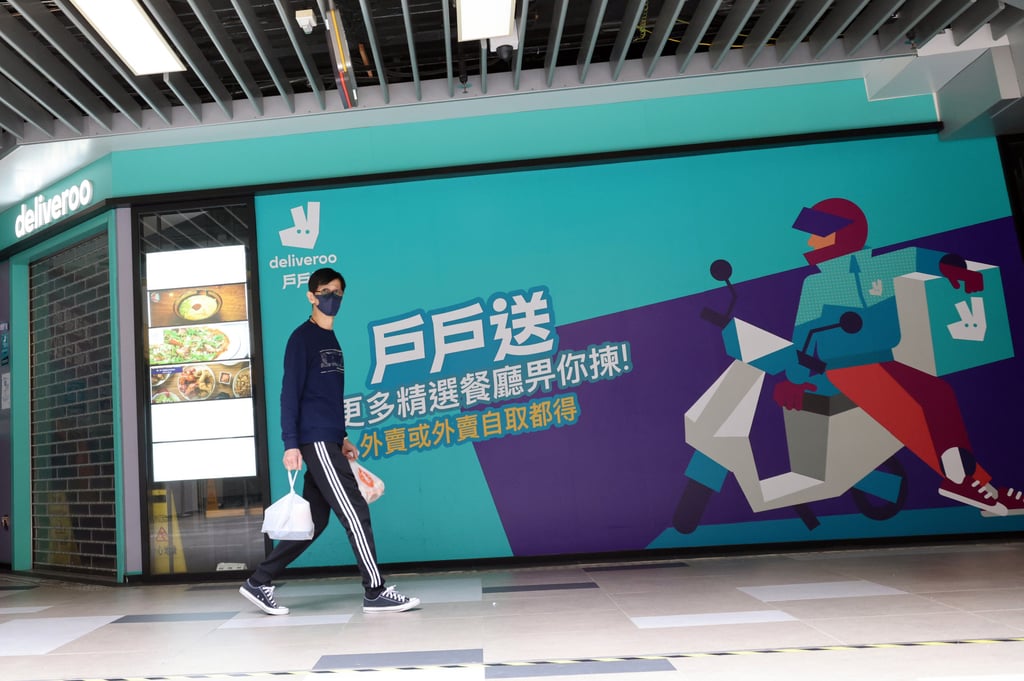
According to Lok’s previous interviews with local media, his road accident took place in December 2022 when he was on a delivery run on an electric scooter.
The courier was in his mid-forties at the time of the accident. He sustained brain injuries and underwent major operations.
At Tuesday’s hearing, Earl Deng, counsel for Deliveroo’s liquidators, told the court that the platform’s app allowed workers to log on and off at will, with no obligation to accept orders.
Deng argued that Lok himself also agreed that this was how the app worked and Lok had voluntarily come to an agreement with the platform when he signed up for work.
Lok’s “subjective feeling” about his employment status could not amount to an actual employment relationship, Deng added.
The counsel said it appeared Lok had also “abused the process” as he only challenged his employment status two years after the accident.
Lawyer Alfred Cheng, representing Lok, stressed that looking at the submissions the parties had made, the disputes in question should be resolved in a full trial.
“The fact that the respondent pleaded 50 pages is itself proof that this case ought to go to trial. It cannot be determined summarily,” he said.
District Judge Phillis Loh Lai-ping noted that the principle of employment status was “highly fact sensitive” and that the factual circumstance of each case varied. She reserved judgment and said she would hand down a ruling within six months.
KioskNews shows a cleaned-up reading view extracted from the publisher’s page — the original always lives on their site, not ours.