TikTok Beats Critics as Indonesian Moviegoers Hop Between Cinema and Streaming
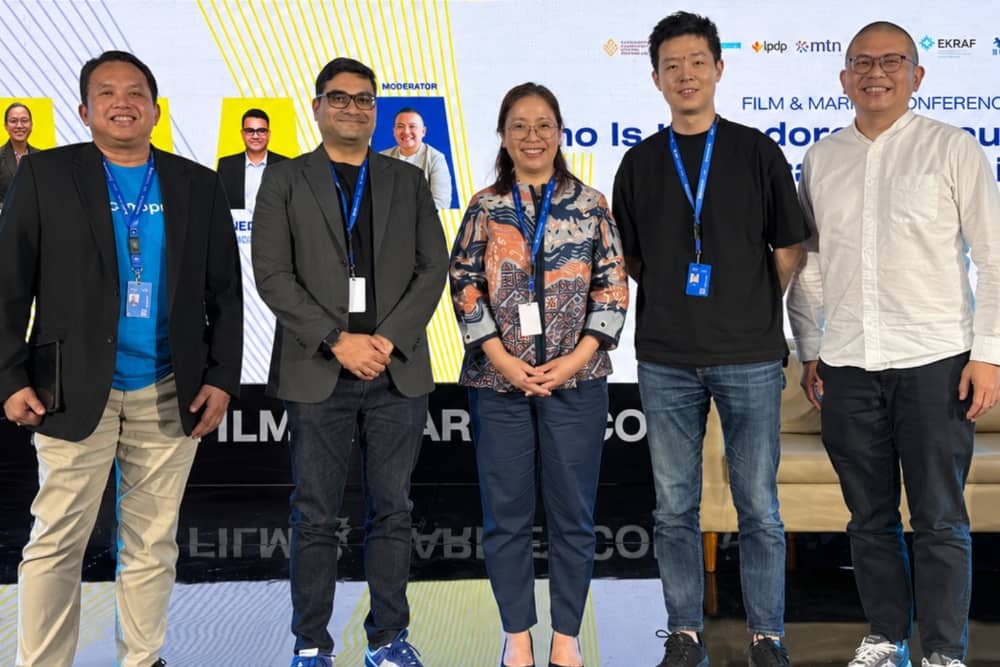
TikTok far outstrips film critics as the spark for Indonesian viewing, and audiences move between cinemas and streaming by occasion rather than sticking to one channel, according to a Populix survey presented at JAFF Market‘s Film & Market Conference in Yogyakarta.
The research agency polled 1,300 viewers aged 18 and above across five regions of Indonesia in November. Populix research director Vivi Zabkie said the online sample is unweighted, so the figures offer a broad picture rather than a nationally representative one.
TikTok is where the urge to watch starts for 56% of respondents, rising to 71% among 18- to 24-year-olds. Critics are the first trigger for just 4%. Indonesian films make up 60% of cinema visits but only 26% of viewing on unlicensed sites.
“One or two weeks before launch, the best time to promote,” Zabkie said.
Some 81% of respondents had watched the same film both in a cinema and at home. The largest group, 41%, are occasional viewers who used no single channel six or more times in six months. Subscription loyalists account for 18%, big-screen regulars 17%, viewers heavy on both paid and unlicensed services 14% and free-first viewers 10%.
Income and access to cinemas divide viewers more sharply than either age or gender does. Among respondents earning under IDR2.5 million ($138), 7% went to the cinema six or more times, against 32% of those earning more than IDR10 million ($552).
The cinema sells an outing: 82% of visits happen with friends, a partner or family, while only 24% of paid streaming sessions are shared. Price remains a barrier. While 94% of cinema users would pay at least IDR 40,000 ($2.21) for a ticket and 84% at least IDR 50,000 ($2.76), only 52% would go to IDR 60,000 ($3.31). Some 81% expressed interest in premium screens. Home viewing also competes directly, with respondents passing on a cinema trip for four in 10 films they had planned to see, since they were home already.
On the streaming side, 64% want films at home within a month of release, and 83% would pay a premium for earlier access.
Piracy is widespread but shallow. Some 84% have used an unlicensed site in the past six months, yet those sites account for only 14% of viewing occasions, and 57% of users consider piracy at odds with their own principles.
“So it’s moving away from the segmentation of the people and going towards the segmentation of the occasion,” said Sandeep Atal, director of revenues at Cinepolis, at a panel discussion following the presentation.
Atal said local films contributed 30%–35% of admissions before COVID and now take around 60%, with 65% a more natural level.
“Indonesia, the per capita moviegoing is still 0.6 per person per year, which is very low for the country of this size. So the prize is very big,” Atal said.
Cinepolis plans to lift frequency through loyalty, personalization and wider programming, including live sports and concerts, and to add value through formats. Atal said its Macro XE format, which links seat effects to the film on screen, works well with local horror.
At iQIYI, Bryce Tsao, director of the company’s international business department, said on the panel that Indonesia now ranks among iQIYI International’s top five markets. The platform paused its Indonesian service during the COVID pandemic and relaunched last year. About half its local users are under 25 and around 85% are female, a younger audience than in markets such as Taiwan and the U.S., where users skew above 35.
iQIYI is starting in Indonesia with long-form drama and microdrama, and Tsao said the platform is not yet ready to acquire Indonesian films. The service streams Chinese and Korean dramas as well as short dramas, and its local content plan follows its audience. “So actually romance, love stories really matter,” Tsao said, adding that the genre mix could shift as the user base broadens.
A programming acquisition executive from broadcaster Trans7 told the panel that Indonesian films it airs one to two years after their streaming release still deliver strong ratings and share, a sign of demand outside the big cities. Zabkie said interest is not the problem for Indonesian audiences; access and cost are, and free-to-air television helps close that gap.
Cinepoint co-founder Sigit Prabowo, who presented admissions data at the session, addressed Indonesian filmmakers directly. “Be brave, make your statement, the audience will come,” he said.
The session was moderated by Gundy Cahyadi of the JAFF Market committee. JAFF Market runs alongside the 21st Jogja-Netpac Asian Film Festival, which continues through Dec. 5.
KioskNews shows a cleaned-up reading view extracted from the publisher’s page — the original always lives on their site, not ours.