Probe into questionable drug war death certificates pushed
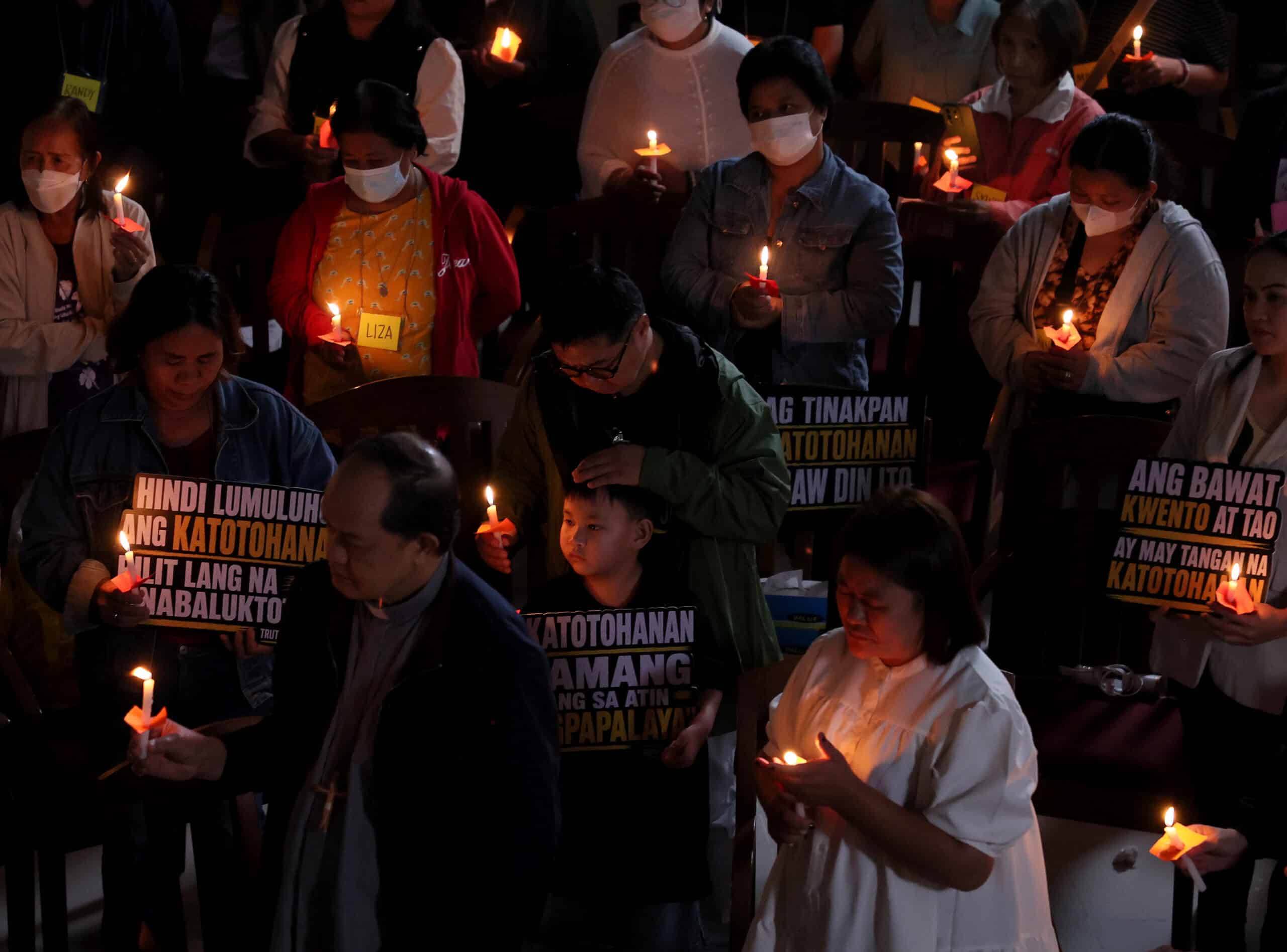
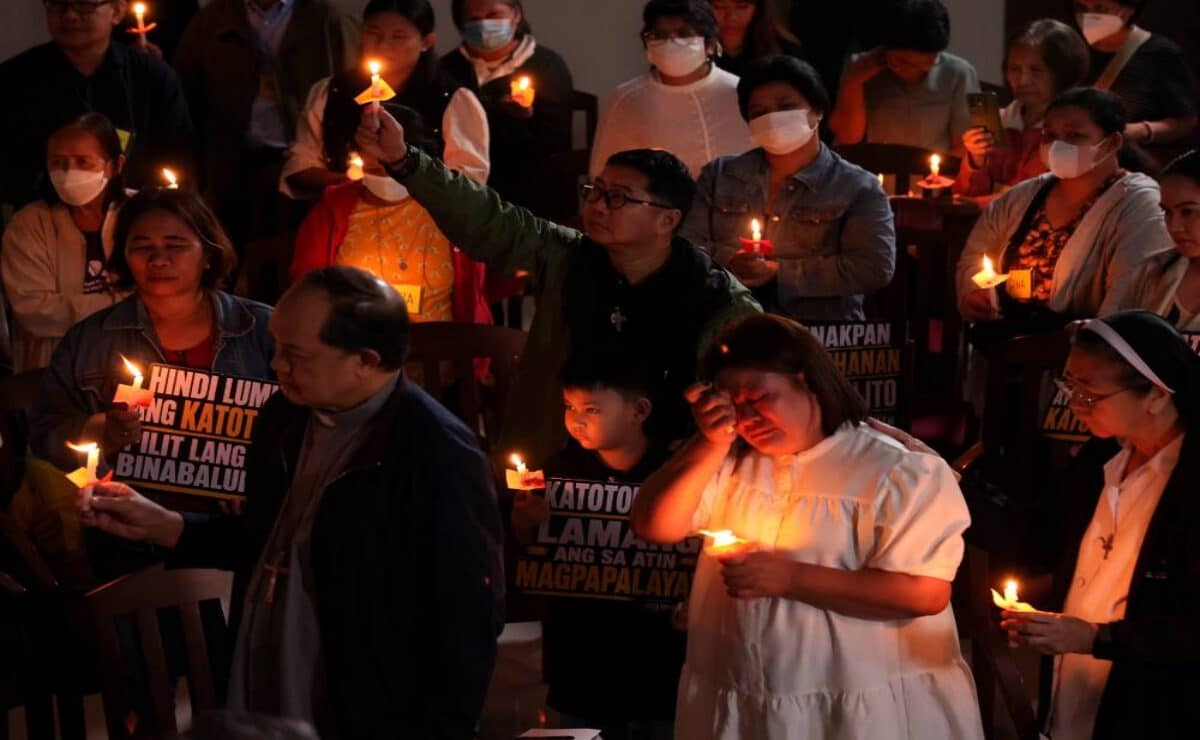
MANILA, Philippines—A former spokesperson of the Supreme Court (SC) on Friday called for a clear documentation system on the process of issuing and correcting death certificates as an independent body looking into drug war killings flag at least five physicians who declared questionable deaths.
In a press conference on Friday with the Truth Commission, human rights lawyer and law professor Theodore Te said that the issue needs to be addressed on a systemic level and government bodies like the Justice Sector Coordinating Council (JSCC) should introduce reforms.
The JSCC, composed of the Supreme Court, the Department of Justice and the Department of Interior and Local Government, could look at the process internally and make the necessary recommendations, he noted.
Article continues after this advertisement
“The justice system isn’t just the courts. It involves investigation by the police, it involves documentation of what happened, it involves all of those things that happened even before you get to the court system. Going to court is just a very small part of the justice system,” Te pointed out.
FEATURED STORIES
NEWSINFO
NEWSINFO
NEWSINFO
Former International Criminal Court (ICC) judge Raul Pangalangan stressed that a good starting point in bringing justice to the drug war victims is to fix the documentation because if the death certificates are faulty and inaccurate, then “we don’t even have the facts with which to start.”
Forensic pathologist Raquel Fortun, who conducted forensic examination on the bodies of more than 150 drug war victims, said there were at least 13 death certificates whose listed cause of death did not match her forensic findings.
This is part of the review the commission conducted on cases from the cities of Caloocan and Quezon. Eleven of them died in 2016 and the rest in 2018.
All of them were gunned down, but were declared having died with various illnesses as “natural causes,” she noted.
Article continues after this advertisement
“How do we hold these doctors accountable?” she added.
Fortun, a member of the Truth Commission, urged the Philippine Medical Association (PMA) and the Professional Regulation Commission (PRC) to look into the alleged “miscertification” by the five doctors.
Article continues after this advertisement
The PMA’s code of ethics states that “a physician should exercise good faith and honesty in expressing opinion/s as to the diagnosis, prognosis, and treatment of a case under his/her care.”
The board could also initiate its own probe even without complaint, the commission said.
Your subscription could not be saved. Please try again.
Your subscription has been successful.
The Board of Medicine of PRC could also impose disciplinary sanctions, such as revocation of medical license. /gsg
KioskNews shows a cleaned-up reading view extracted from the publisher’s page — the original always lives on their site, not ours.