Too much salt before bed? Here’s what happens to the body
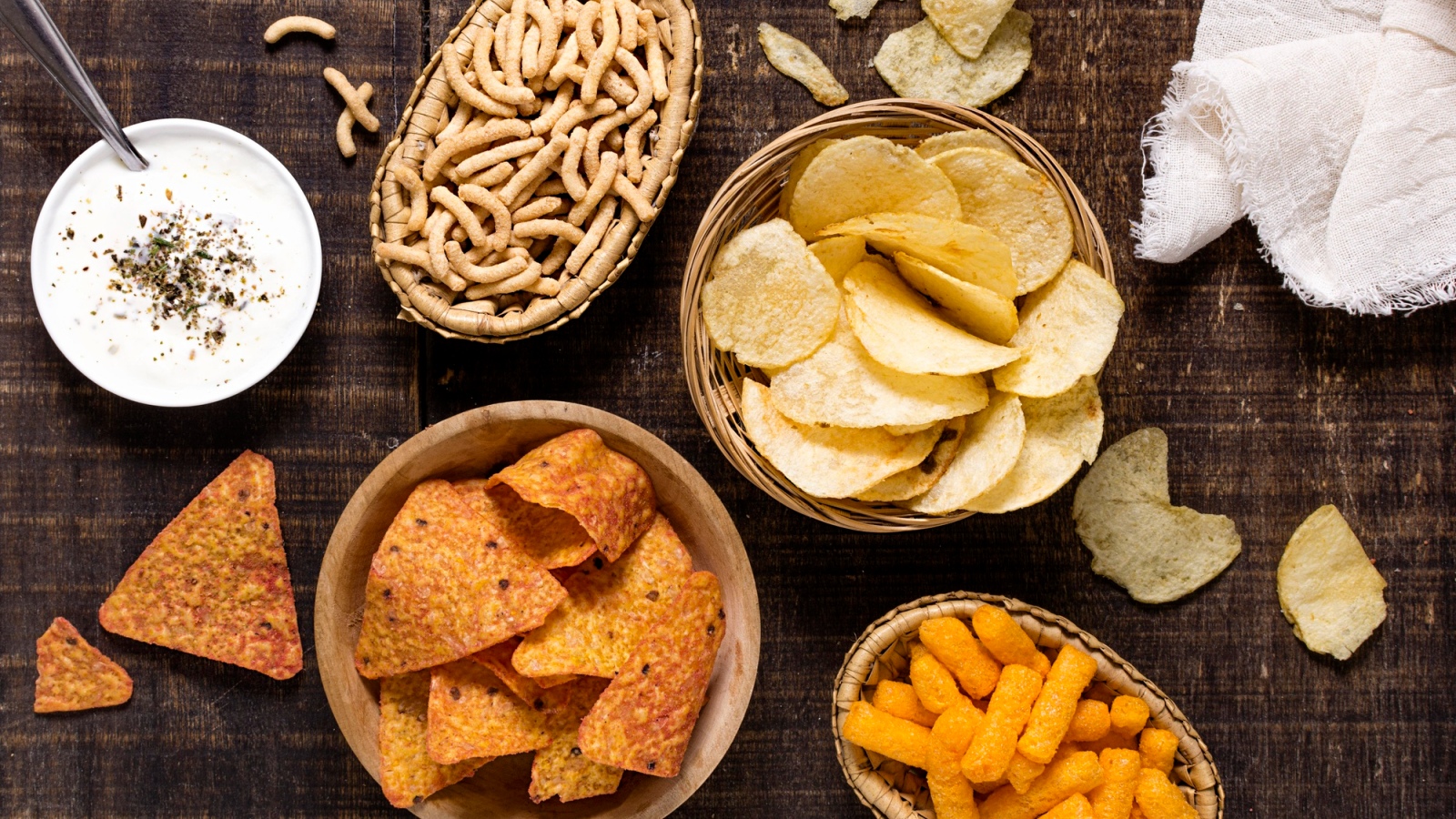
Eating a packet of chips, instant noodles or a serving of biryani with pickle late at night may seem harmless, but have you considered how excess salt could affect your sleep and hormonal balance?
While one salty meal is unlikely to cause a significant hormonal disturbance, consistently consuming too much sodium can influence the body’s stress hormone activity, fluid balance and blood pressure.
Kanikka Malhotra, Consultant Dietician and Certified Diabetes Educator, explains how eating a high-salt meal close to bedtime may affect cortisol levels, other hormones and sleep quality.
DISCLAIMER: This article is based on information from the public domain and/or the experts we spoke to. Always consult your health practitioner before starting any routine.
Can eating salty food before bed increase cortisol levels?
Cortisol, commonly known as the stress hormone, follows a natural circadian rhythm. Its levels are generally lowest around midnight and gradually rise towards morning, helping the body prepare to wake up.
According to Malhotra, there is no established evidence that one salty dinner directly triggers a cortisol spike. However, sustained high salt intake can influence the body’s stress hormone balance.
The more immediate concern is how a salty meal affects sleep.
Story continues below this ad
“A salty late dinner can bring thirst, night urination and higher night blood pressure, all of which break up sleep. Poor sleep itself raises cortisol the next evening,” she explains.
She adds that higher cortisol activity can also influence hunger, potentially making people more likely to snack.
How does excess sodium affect other hormones?
Consuming too much salt can influence several hormones involved in regulating fluid balance and blood pressure.
Malhotra explains that high sodium intake actually lowers aldosterone, a hormone that signals the kidneys to retain sodium. When salt is plentiful, the body reduces aldosterone activity.
Vasopressin, another hormone involved in water regulation, also plays a role. A salty meal increases sodium concentration in the blood, triggering thirst and the release of vasopressin, which helps the kidneys conserve water.
Story continues below this ad
“This explains the dry mouth at 3 am and the puffy face or tight rings in the morning,” she says.
High salt intake can also affect night-time blood pressure. Normally, blood pressure dips by around 10–20 per cent during sleep. However, in salt-sensitive individuals, this reduction may be blunted, potentially affecting sleep quality and increasing night-time urination.
Malhotra cautions against assuming that salty meals directly disrupt melatonin or growth hormone production, as these effects are not established in human studies.
What precautions should you take before bedtime?
One salty dinner will not wreck your hormones. However, your overall daily salt intake matters.
Story continues below this ad
The World Health Organization recommends consuming less than 5 g of salt per day. Malhotra points out that common late-evening food choices, including instant noodles, pizza, biryani with papad and pickle, chips, and namkeen, can significantly contribute to sodium intake.
She recommends finishing dinner two to three hours before bedtime and using lime, mint and roasted jeera for flavour instead of relying heavily on salt. It is also better to avoid pickle and papad at night.
“Curd, banana or greens supply potassium, which helps the kidneys clear sodium, if your kidneys are healthy,” she says.
She advises sipping water throughout the evening rather than drinking a large quantity just before bed, which may increase night-time bathroom visits.
Story continues below this ad
People with high blood pressure, kidney disease, heart failure or liver cirrhosis should be particularly careful about excess sodium. Those taking diuretics should also seek individual medical advice. Potassium-based salt substitutes should not be used without a doctor’s approval.
Malhotra also advises people who snore or have sleep apnoea to be mindful of their sodium intake, as excess fluid retention may worsen fluid accumulation around the airway.
DISCLAIMER: This article is based on information from the public domain and/or the experts we spoke to. Always consult your health practitioner before starting any routine.
KioskNews shows a cleaned-up reading view extracted from the publisher’s page — the original always lives on their site, not ours.