Iraq reaches compromise with powerful pro-Iran militia to prevent clash, officials say
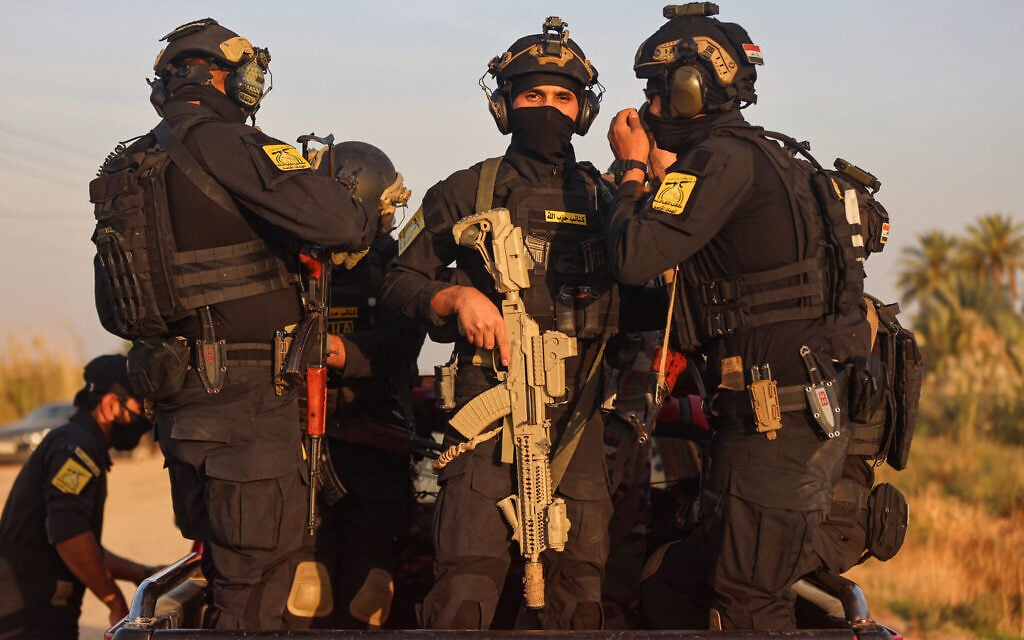
BAGHDAD, Iraq (Reuters) — Iraq has reached a compromise with the powerful Iran-backed militia Kataeb Hezbollah, three senior security officials said, after Prime Minister Ali al-Zaidi readied security forces to move against the group.
Iraqi officials had accused the group of running a smuggling ring that siphoned off hundreds of millions of dollars’ worth of state-owned oil.
Under the deal brokered by senior Shiite political leaders to avert a confrontation, government forces are expected to move into the group’s stronghold of Jurf al-Sakhar on Friday, according to three security officials familiar with the deal.
0:00 / 0:00
Promoted: Jewish Crossroads, Micah Goodman

Kataeb Hezbollah forces will move to other areas, Lieutenant General Saad Maan, head of Iraq’s Security Media Cell, told Reuters.
Reflecting the gravity of the situation, Iraqi Shiite political sources said Esmail Qaani, commander of Iran’s elite Revolutionary Guards’ Quds Force, arrived in Baghdad late on Monday to help defuse tensions with Kataeb Hezbollah, Tehran’s most powerful militia ally in Iraq.
Get The Times of Israel's Daily Edition by email and never miss our top stories
By signing up, you agree to the terms
A spokesperson for Kataeb Hezbollah said the group’s secretary-general, Abu Hussein al-Hamidawi, met influential figures including Qaani and Hadi al-Amiri, head of the Badr Organization, another influential Iran-aligned militia, in a bid to prevent an escalation.
Participants described the outcome of the talks as positive in a statement issued on Thursday.
Risky move
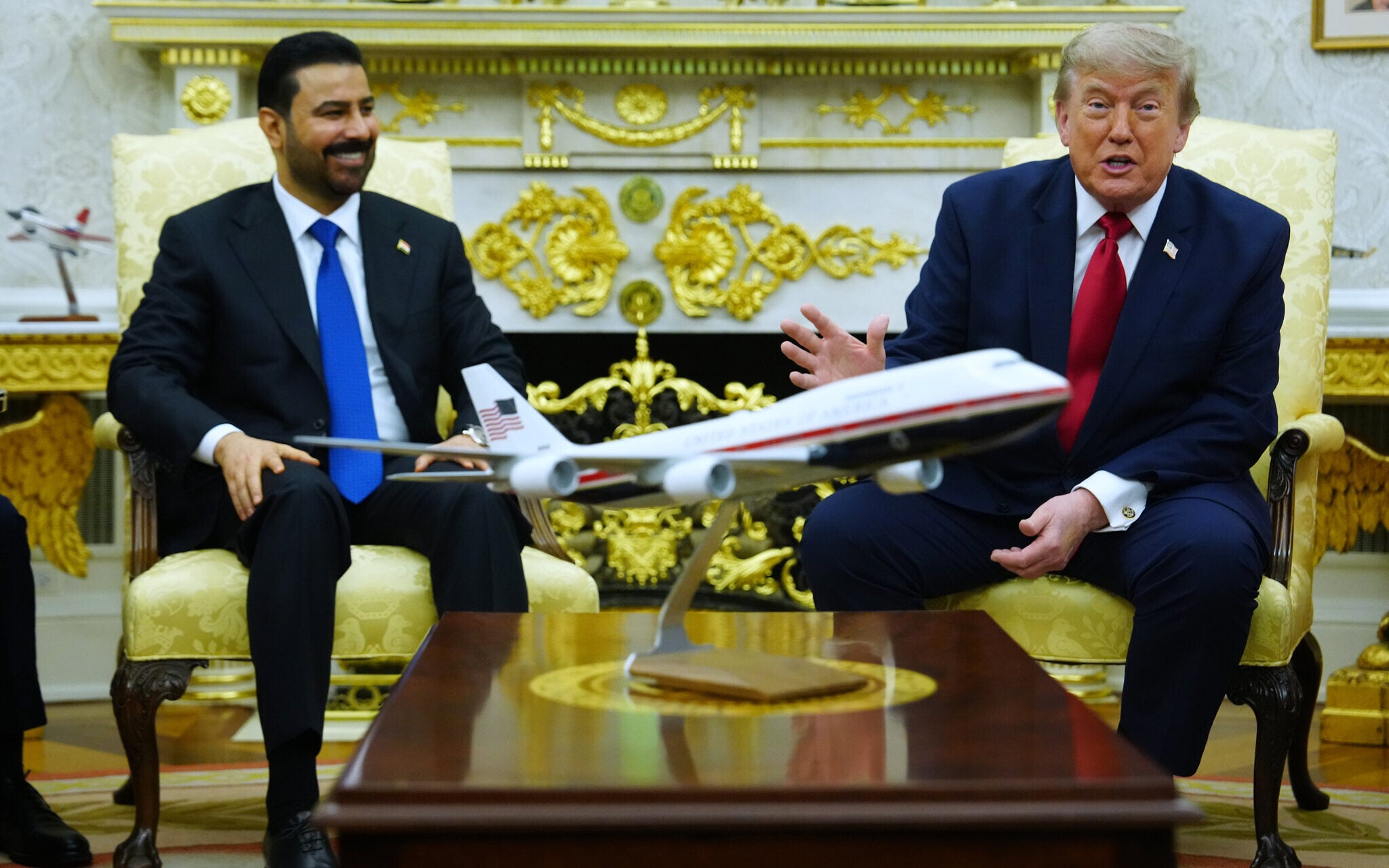
Zaidi, a political novice, has made his riskiest move since he came to power six months ago by directly confronting the heavily armed Shiite militias that function as proxies of Iran.
Pro-Iranian militias, including Kataeb Hezbollah, have resisted calls by Zaidi and US President Donald Trump to disarm. These groups enjoy a semi-official status in Iraq, which critics say encourages them to act with impunity.
Kataeb Hezbollah and other militias say they are dedicated to Iraq’s security.
They have attacked US troops in solidarity with Iran since the United States and Israel launched a war against the Islamic Republic in February.
A shadowy group with no announced leadership structure, Kataeb Hezbollah (Battalions of the Party of God) has thousands of hardened fighters.
It forms several battalions in Iraq’s Popular Mobilization Forces, a grouping of armed factions originally set up to fight Islamic State in 2014 that was subsequently recognized as an official security force.
While it is technically under the command of Iraq’s prime minister as part of the PMF, Kataeb Hezbollah often operates outside the chain of command and has defied and challenged government statements calling for an end to attacks on US forces.
Founded in the aftermath of the 2003 US-led invasion of Iraq, Kataeb Hezbollah is among the most influential members of the Islamic Resistance in Iraq, the umbrella group of hardline Shiite armed organizations supported by Iran.
Like other Shiite armed groups, Kataeb Hezbollah reports directly to Iran’s Revolutionary Guards. It was led by dual Iraqi-Iranian citizen Abu Mahdi al-Muhandis until he was killed in a US drone strike in 2020 along with the then-commander of the Quds Force, Qassem Soleimani, at Baghdad’s international airport.
Animal lovers, this one's for you

In 1935, Rabbi Max Shorenstein left Denmark to pursue his lifelong dream: building a zoo in Tel Aviv and teaching children to love animals. The Tel Aviv Zoo became one of the city’s greatest attractions, but envy, greed, and corruption drove Shorenstein from the paradise he created.
The film 'There Are No Lions in Tel Aviv' is available to screen November 19-26 for members of our reader support group, The Times of Israel Community. Join the Community today to support our work and watch our DocuNation series of outstanding Israeli documentary films.
I want to watch I want to watch Already a member? Sign in to stop seeing this
KioskNews shows a cleaned-up reading view extracted from the publisher’s page — the original always lives on their site, not ours.