Six months ago, Australians were optimistic. Now, we’re cutting back on toothpaste
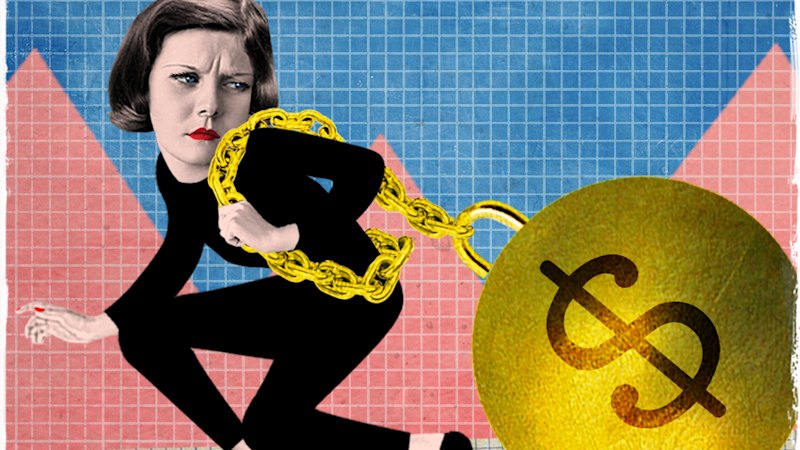
When it comes to expectation versus reality, what a difference six months can make.
It was only back in March that 40 per cent of Australians said they were expecting their financial situation to improve this year. Cut to today, and we see almost the same number of people now expect their situation to get worse over the coming 12 months.
While there have been plenty of bumps along the economic road recently, for many people, the successive pinches are suddenly being felt all at once. In 2026 alone, the RBA has handed down five interest rate rises, and the cost of living has been persistently rising, with housing, insurance and transport being the main drivers, according to the Australian Bureau of Statistics.
The problem with these pressures building slowly over time and peaking now – along with the cost of other everyday essentials like groceries and utilities also growing – is that it’s creating a very real sense of financial pessimism and hopelessness for millions of people.
Though having a sense scepticism and pessimism can actually be a good thing for most of us (this can be what steers us away from scams, helps us invest prudently and manage debt, for example), it’s when the scales tip, and we have too much of it that it can become a big problem.
Because while it’s one thing to always make sure you have an emergency savings account in case things turn bad, it’s another thing to genuinely feel a sense of hopelessness and futility when you think about the long-term future.
There’s a real possibility that individual cases of financial pessimism become a collective experience.
If we go back to March, that polling I mentioned earlier, from YouGov, found that where 40 per cent of Australians said they were expecting their financial situation to improve, only one in four Australians (28 per cent) were worried things would get worse.
Among the most optimistic about things getting better were young people, with 63 per cent of Australians aged 18 to 24 and 70 per cent of those aged 25 to 34 expecting to see an improvement in their circumstances over the next 12 months.
Even among Millennials aged 35 to 44, who are generally in the middle of the oh-so expensive years of raising young children and being at the start of a 30-year mortgage, six out of ten had the same sense of positivity.
For Australians expecting their financial situation to get worse, the most common plan to improve their circumstances was to cut back on day-to-day discretionary spending – things like going out for dinner and drinks, buying fewer clothes, taking taxis or Ubers, and takeaway coffees and lunches.
People also said they would look to cut down on holidays and special events like a day out or going to concerts and the theatre.
Among the 40 per cent of people expecting things to improve, they said they were planning to increase their spending on groceries, bills, holidays and health and wellbeing items like gym memberships and supplements.
They also planned to spend more on clothes, subscriptions to streaming services and publications, and on social events like getting drinks or enjoying a day out.
But according to Foodbank, a third of us now say we are expecting their financial situation to get worse going into 2027. Their report found that 3.6 million households across the country are experiencing food insecurity – which is struggling to afford or access affordable and nutritious food – and that among households, half fear things are likely to get even worse.
It also highlighted the extent some people were going to cut down on costs, with those households saying they were driving less, reducing energy use at home, not getting haircuts and cutting back on personal grooming products like shampoo and conditioner, soap and toothpaste.
It’s hardly surprising that the people most likely to feel financial pessimism are those who are already experiencing hardship and already under pressure. But when the level of struggle involves cutting back on toothpaste or having to ration out washing your hair, the reality of how bad things are right now really hits home at a new level.
And we know that this pessimism isn’t simply a bad attitude or an Eeyore-like gloom. A recent Essential poll found the cost of living is having a negative impact on four in 10 people’s lives.
One in three said the stress and worry is impacting their physical health, and 36 per cent said they’re struggling to sleep. More than one in four people said it’s taking a toll on their relationships, and 61 per cent of people said they believe inequality is increasing, with more and more people falling behind or going backwards.
The problem now is that people are feeling things are likely to worsen at a time when they are irrefutably getting worse – and when housing, inflation and wage growth (or lack thereof) is at the heart of the issue.
With so many people feeling and experiencing the same thing, there’s a real possibility that individual cases of financial pessimism become a collective experience where a huge chunk of the country can no longer see a path to, or a path back to, the kind of financial stability we were told we could expect if we did the right things like working hard and paying our taxes.
If that sentiment, and this current reality, hangs around for too long, that’s when the real worry kicks in and the task becomes convincing people things can and will change for the better.
Victoria Devine is an award-winning retired financial adviser, a bestselling author and host of Australia’s No.1 finance podcast, She’s on the Money. She is also founder and director of Zella Money.
- Advice given in this article is general in nature and is not intended to influence readers’ decisions about investing or financial products. They should always seek their own professional advice that takes into account their own personal circumstances before making any financial decisions.
Expert tips on how to save, invest and make the most of your money delivered to your inbox every Sunday. Sign up for our Real Money newsletter.

KioskNews shows a cleaned-up reading view extracted from the publisher’s page — the original always lives on their site, not ours.