Netanyahu’s voter fraud claims rest on nebulous cases and dubious conduct by police, Shin Bet
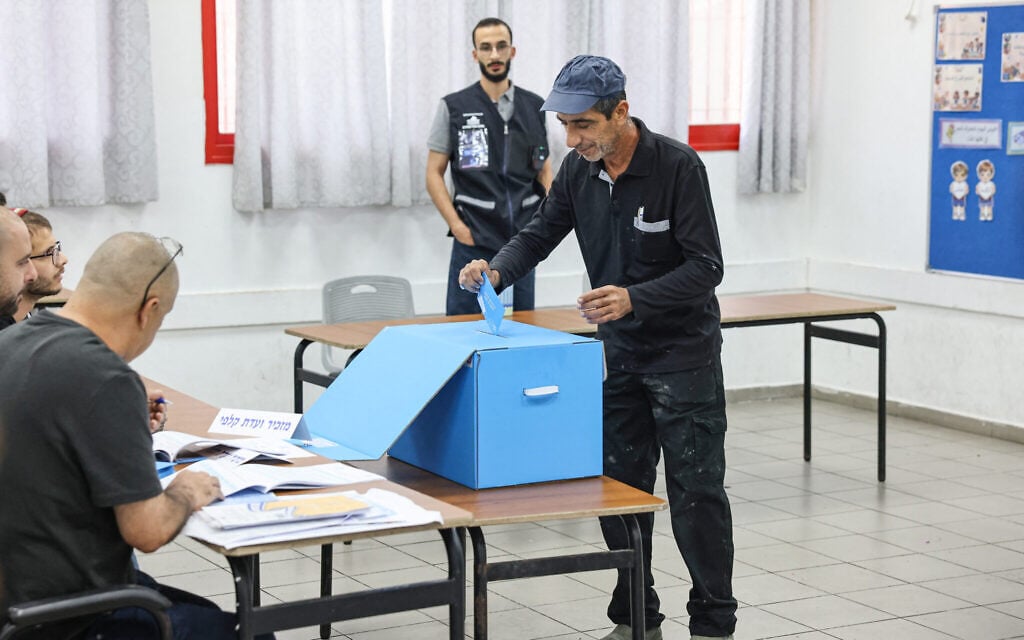
Two cases of alleged election fraud are powering Prime Minister Benjamin Netanyahu’s claim that Arab parties stole Tuesday’s election.
The first case involves an alleged plot by Ra’am activists to buy votes for the traditionalist Arab party, and the second case involves an alleged campaign by hostile entities abroad to sway the election.
No evidence linking the cases has been made public, and a law enforcement source cited by Channel 12 on Thursday said they were unrelated.
0:00 / 0:00
Promoted: Jewish Crossroads, Avi Issacharoff

In the background of both cases is the dubious conduct of police and the Shin Bet, the two security forces charged with protecting the integrity of the election.
Buying votes
The first case broke early on election day when, hours before polls opened on Tuesday, the police announced the arrest of three southern Bedouin activists for Ra’am, one of two Arab-led parties that emerged as potential kingmakers.
Get The Times of Israel's Daily Edition by email and never miss our top stories
By signing up, you agree to the terms
Multiple Hebrew media outlets, including Channel 12 and Ynet, have reported the arrests were based on a call that Netanyahu’s chief of staff, Ido Norden, placed to top police brass. Police also admitted in court that officers searched the activists’ homes without a warrant, with a police representative saying the search was legitimate because it was backed up by “intimate” intelligence.
The search yielded envelopes containing tens of thousands of shekels in cash that the suspects say were meant for charitable purposes.
שלושה חשודים נעצרו בנגב בחשד לניסיון שוחד בחירות באמצעות חלוקת כספים לבוחרים במטרה להשפיע על הצבעתם בבחירות לכנסת ה-26. במהלך חיפושים בבתי החשודים נתפסו מעטפות ובהן עשרות אלפי שקלים במזומן, לצד פתקים וממצאים נוספים
במסגרת היערכות משטרת ישראל ליום הבחירות לכנסת ה-26, ובהתאם… pic.twitter.com/knJPsa5Lk1
— משטרת ישראל (@IL_police) October 27, 2026
The police’s case against the suspects appeared to lose steam on Sunday. The Beersheba Magistrate’s Court ordered the unconditional release of one suspect, and rejected the police’s request to extend by eight days the detention of the two others. One was sent to eight days’ house arrest, while the other was ordered detained for just two more days at this time.
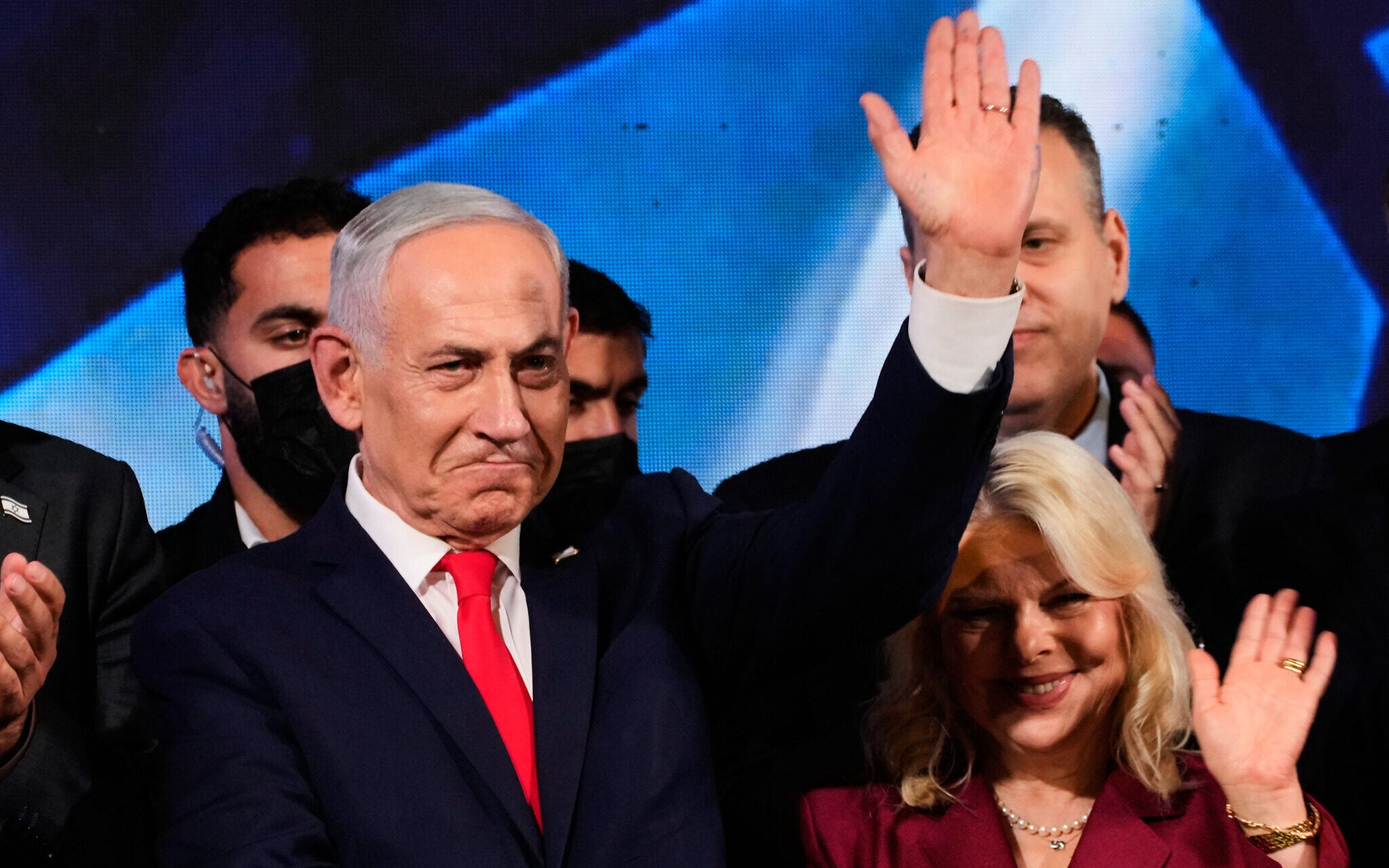
Ra’am has denied any wrongdoing by the party and slammed the “sham arrests.” Netanyahu seized on the case in an election day video statement, alleging that the “serious and unusual” arrests reflected an attempt “to steal the election from us.”
According to Channel 12 and Haaretz, even before the news broke, Netanyahu’s Likud party had been gearing up to allege systematic Arab voter fraud in case the premier lost.
One unnamed Likud source cited by Haaretz compared the plan to the “stop the steal” campaign that followed US President Donald Trump’s 2020 reelection loss.
Outside forces
The second case broke Thursday morning with the reveal of a letter to Shin Bet chief David Zini from Central Elections Committee chief Noam Sohlberg, the deputy Supreme Court president, instructing the agency to probe “serious suspicions” of unspecified hostile foreign interference in the election.
Channel 12 has reported the case involves large sums of money spent by Qatar, and possibly Turkey and the Muslim Brotherhood, to encourage Arab Israelis to vote. The Mossad is also reportedly involved in the investigation.
According to reports, Sohlberg’s letter to Zini followed a meeting Wednesday between the judge and the Shin Bet chief, in which Zini presented the specifics of the case. Zini reportedly asked during that meeting for permission to present the case to Netanyahu — despite having already done that earlier in the day.
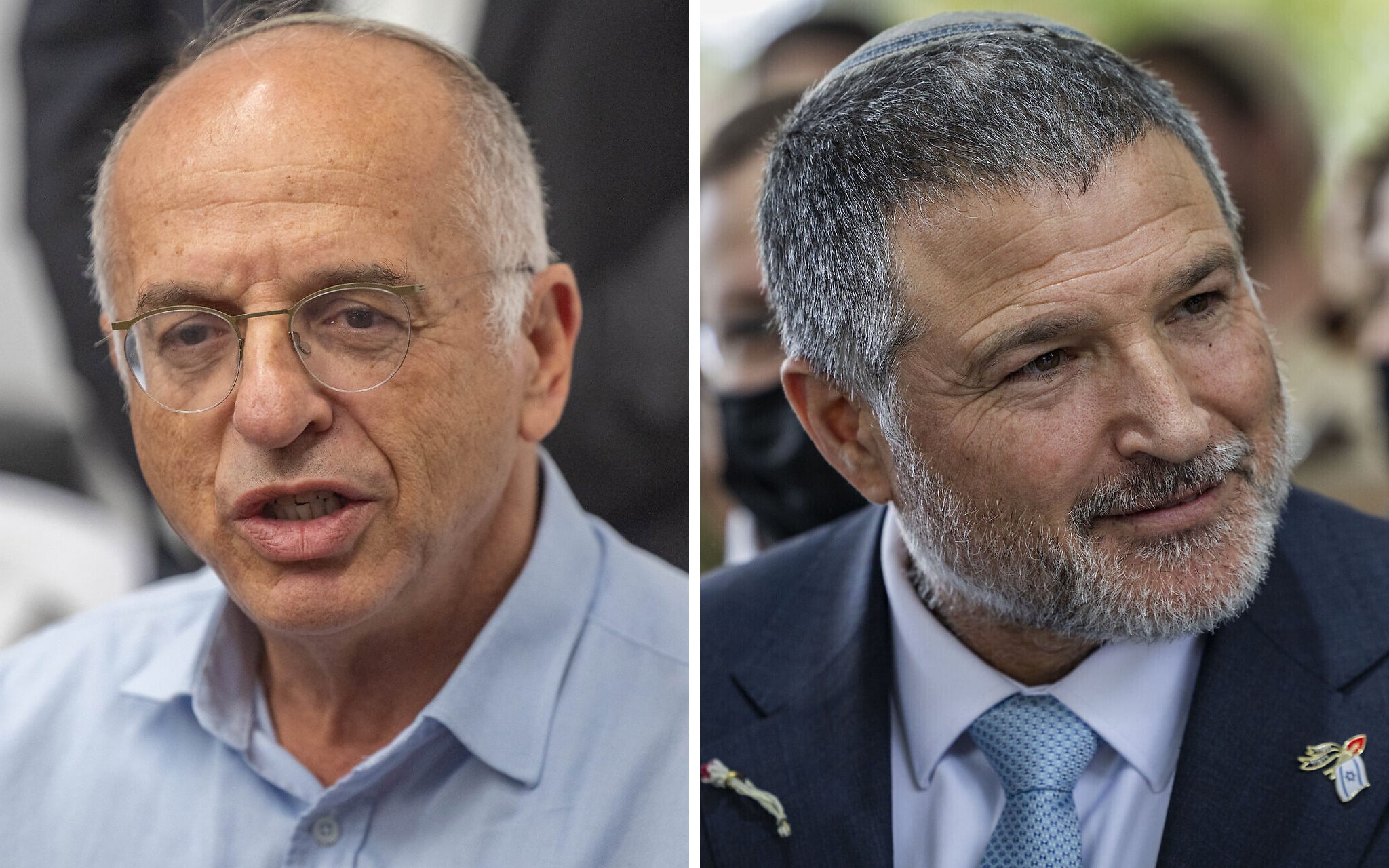
And, despite receiving Sohlberg’s okay only on Thursday to investigate the allegations, an unnamed security source quoted by Kan said the investigation “was opened over the last two weeks based on solid intelligence information.”
But Zini had not shared information about the case with anyone from the CEC, including Sohlberg, either before the election or in a meeting with CEC officials while the polls were open on Tuesday, according to Channel 12.
Zini had, in the weeks before the election, informed Attorney General Gali Baharav-Miara that the Shin Bet was picking up on a “general trend” of attempts by hostile actors abroad to influence the election.
During an election day tour of the CEC command center, Zini said: “We can confidently tell the citizens of Israel that the elections are being monitored and conducted in a proper and inspiring manner.”
Shin Bet: Interference investigation is ‘limited’
After Sohlberg’s letter was published Thursday — and after it became clear that Netanyahu’s coalition had shrunk to a 53-seat parliamentary minority, on the heels of unprecedented Arab voter turnout — Likud issued a statement claiming Arab parties “stole” the election.
The statement presented the two cases as part of a single plot that Likud dubbed “Ra’amgate.” This, the party argued, made it illegitimate for any Zionist party to coordinate with Arab-majority parties Ra’am and the Joint List.
Central Elections Committee Director General Dean Livne on Thursday rejected allegations of widespread fraud, saying they were baseless and that “the integrity of the elections at polling stations was rigorously safeguarded.”
The Shin Bet, for its part, said the probe of foreign interference was “focused and limited in scope, and does not cast aspersions on or accuse an entire sector that went out to vote democratically and legally.”
On Sunday, Sohlberg, in a video statement alongside Zini, Livne and Baharav-Miara, said that the scope of the suspicions means that even if they are substantiated, “it wouldn’t undermine the integrity of the electoral process or the election results as a whole.”
Likud quickly responded that Sohlberg’s statement was “bizarre” and that “a dark cloud hangs over the results of the election” until the investigation is complete.
Ra’am said Thursday that it welcomed the probe into foreign interference, denied any part in the scheme, and needled Netanyahu over the allegations that the premier’s own aides served as paid lobbyists for Qatar during the war in Gaza.
Meanwhile, the Joint List accused Netanyahu of spreading “racist lies,” with party head Yousef Jabareen saying, in an interview that aired on Channel 12 on Saturday: “The only interference I know of is Trump’s endorsement of Netanyahu.”
Netanyahu had campaigned for weeks on the inability of his Zionist opponents to form a government without relying on support from Ra’am and the Joint List.
Most leaders of the Zionist anti-Netanyahu bloc, which won an underwhelming 48 seats on Tuesday, have rejected forming a government with the Arab parties, which received 19 seats combined. As a result, neither Netanyahu’s bloc nor his Zionist opponents have secured the 61-seat majority needed to govern.
KioskNews shows a cleaned-up reading view extracted from the publisher’s page — the original always lives on their site, not ours.