Why US Secretary of State Rubio is skipping New Delhi for an Indian oil refinery
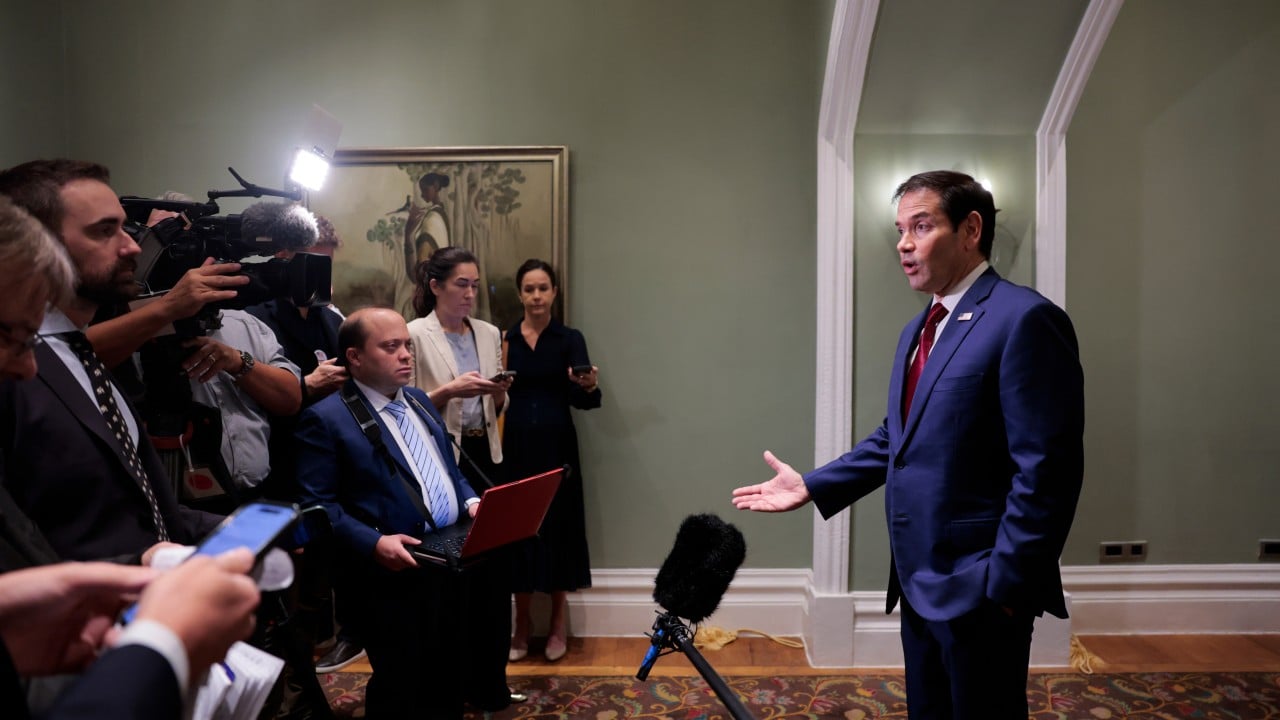
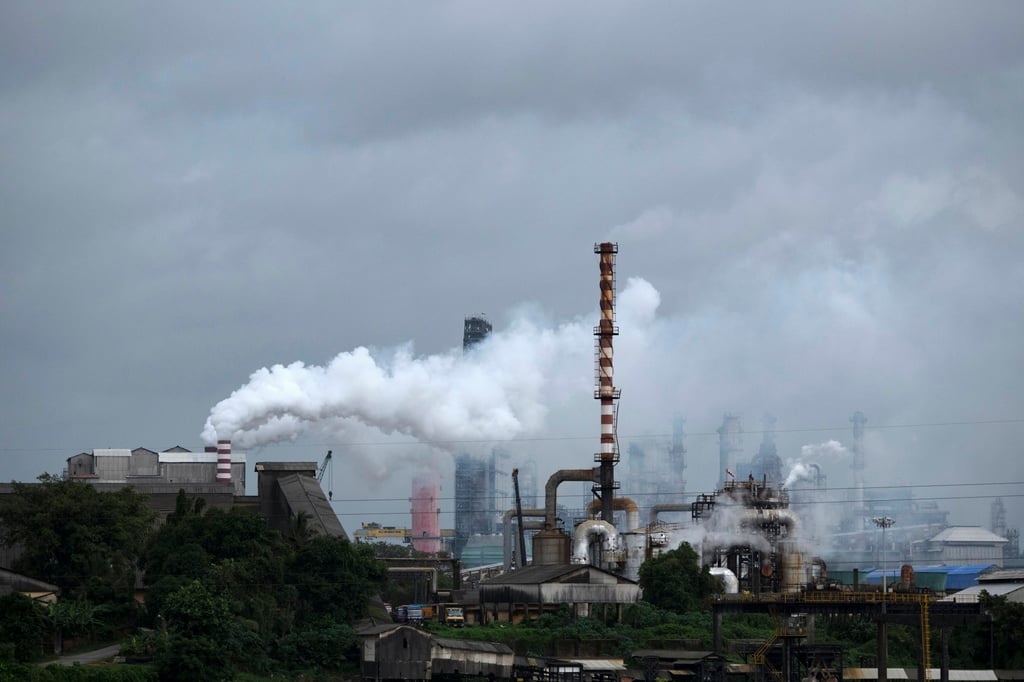
US Secretary of State Marco Rubio’s visit to India’s Jamnagar this week – home to the world’s largest oil refining complex – signals energy cooperation as the anchor for bilateral ties even as broader policy friction frays relations, according to analysts.
On Tuesday, Rubio indicated that India’s largest private company, Reliance Industries, which owns the Jamnagar oil refinery complex, will buy more Venezuelan oil.
“India is a refining superpower. They have the capability to refine heavy crude. They’ve done so in the past, and I think as more and more Venezuelan oil comes online, it’s something they can do,” he told reporters in Mumbai, the country’s financial capital.
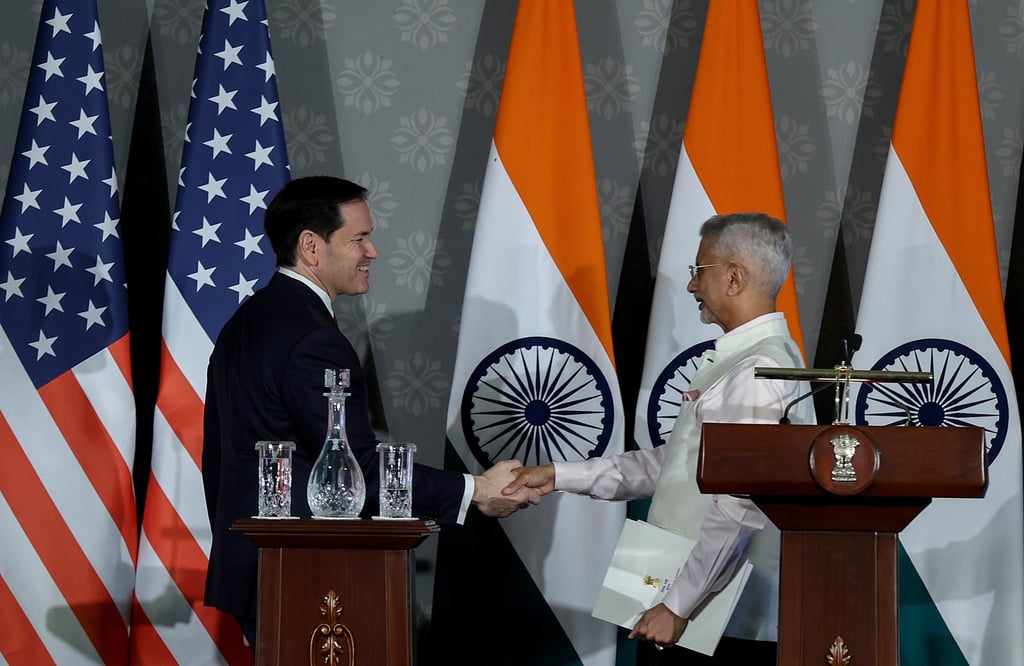
Rubio met Indian Foreign Minister Subrahmanyam Jaishankar on Tuesday in Mumbai as both sides sought to deepen energy cooperation and move closer to finalising a broader trade deal, following an interim framework reached in February.
An India-US trade deal has stalled over legal uncertainty surrounding American tariffs, New Delhi’s demand for preferential rates compared with competitors like Vietnam and Washington’s push for market access for its politically sensitive agriculture and dairy sectors, analysts said.
“We’re very, very close. I would say we’re about as close as you can be without having executed the agreement,” Rubio told reporters.
Broader ties between the two countries have suffered in recent months over issues such as Washington’s clampdown on professional visas, which has hit Indian technology workers and firms.
Rubio’s itinerary during his October 20-21 visit – choosing to visit Mumbai and Jamnagar while skirting India’s capital, New Delhi – reflects a shift in Washington’s approach.
“Rubio’s trip to Mumbai and Jamnagar, which hosts the world’s largest single-site oil refinery complex processing 1.4 million barrels per day, is a purely commercial visit unlike a traditional business-led diplomatic one,” said Soumen Ray, a former Indian diplomat.
Given the condition of Russian refineries following Ukrainian attacks, this visit may be construed as a last-ditch US effort to find succour to bail them out before the midterm elections,” Ray added.
US petrol prices have risen by roughly US$1.26 to nearly US$1.50 per gallon since the start of the war with Iran in late February 2026, pushing the national average to between US$4.30 and US$4.40 per gallon as global oil and refined product supplies tighten.
Ray said that Rubio’s visit showed how the US administration had sought to distance itself from Musk’s “derogatory and highly objectionable remarks”.
Policy shift
“I see Rubio’s itinerary as reflecting the transactional character of India–US relations under this Trump administration,” said Uday Chandra, a political science professor at India’s Ashoka University, highlighting the financial weight of both Mumbai and Jamnagar.
“The focus is, therefore, on investment, energy security and commercial deals. We should not read the absence of Delhi as a diplomatic snub,” Chandra said.
India’s foreign ministry spokesman Randhir Jaiswal told a media briefing on Friday that foreign dignitaries had previously been hosted outside Delhi, including in Vadodara and Ahmedabad.
Chandra added that Rubio’s visit showed how energy cooperation could become a defining feature of the US-India relationship.
“India needs secure, affordable energy supplies, while the US seeks large markets for its oil and gas and greater investment in its energy infrastructure. There are obvious complementarities here, especially amid disruptions to global energy markets,” he said.
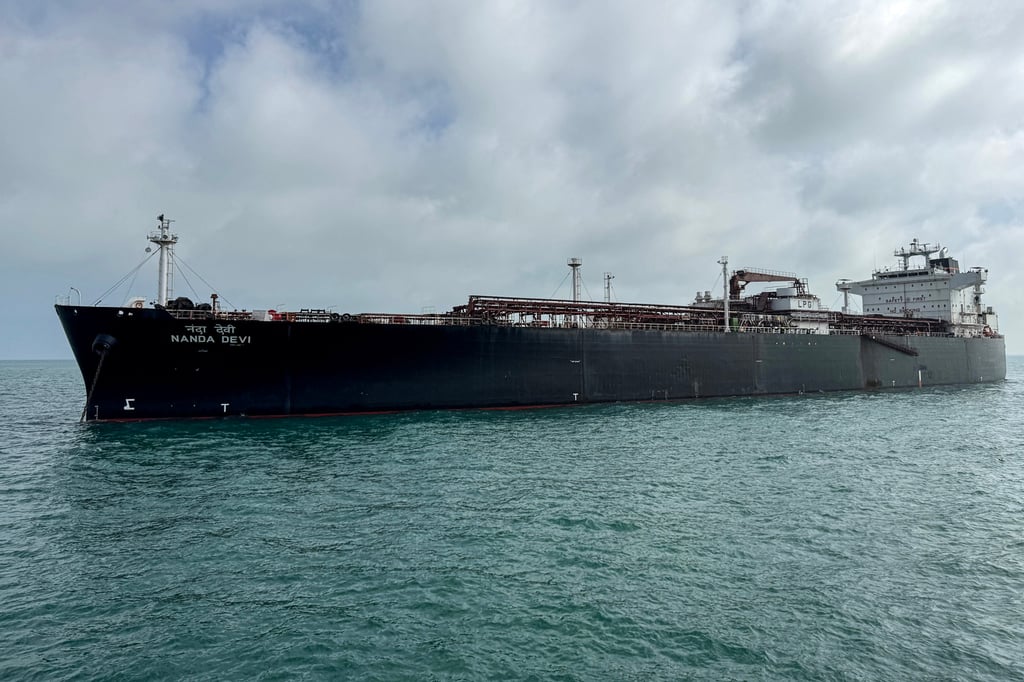
India is the world’s third-largest oil importer and has emerged as a key exporter of refined petroleum products, including to Russia following Ukrainian drone strikes on Russian processing facilities.
Srinivaasan Balakrishnan, director of strategic engagements and partnerships at Delhi-based think tank Indic Researchers Forum, highlighted that Reliance Industries had invested at least US$100 million in Texas-based start-up America First Refining.
The deal was originally framed by Trump in March 2026 as a US$300 billion partnership to build the first major new US oil refinery in 50 years at the Port of Brownsville.
“Now the real conversations are happening around capital, refining capacity and specific deals rather than in the political capital. Skipping Delhi keeps the focus on execution and private sector interlocutors who can move money and projects faster than formal inter-governmental machinery,” Balakrishnan said.
He added that the sequence of events, combined with Rubio’s trip, pointed to a “practical bargain” over American commercial presence in India alongside Indian refining scale and access to crude oil from diverse sources, including Russia.
Last week, Trump temporarily suspended and waived a threat of up to 100 per cent tariffs on major importers of Russian oil – including India and China – via an executive order. The decision was a big relief for India, which is a major buyer of discounted Russian oil.
“It is transactional rather than strategic, but in a period when the older political pillars of the relationship have thinned, energy and investment flows are among the few things both sides can still usefully discuss without requiring perfect alignment,” Balakrishnan added.
KioskNews shows a cleaned-up reading view extracted from the publisher’s page — the original always lives on their site, not ours.