Iran's nuclear ambitions best stopped through Hormuz blockade, ex-Mossad director Barnea
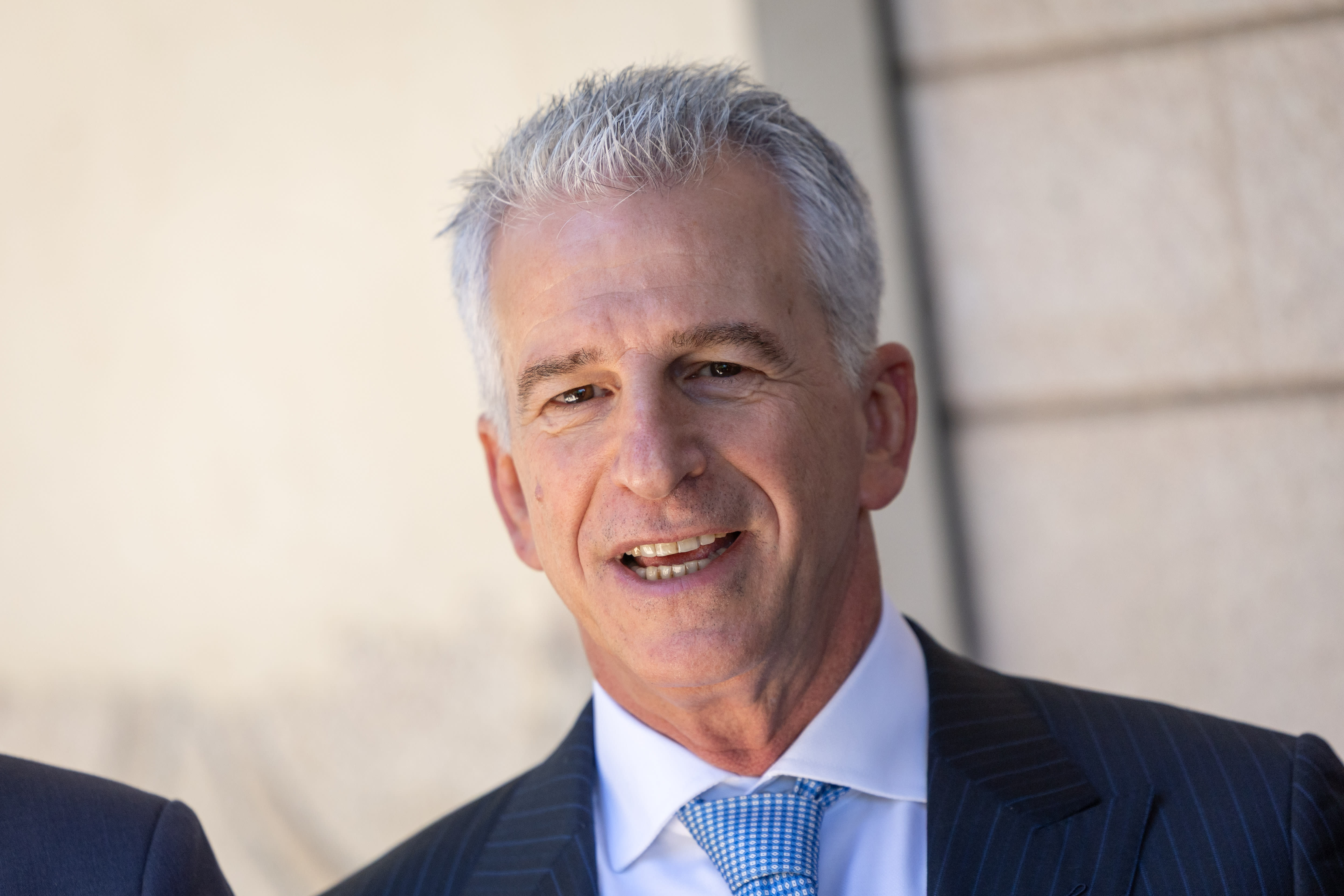
"The chances of obtaining an agreement which the regime would respect, and which would ensure zero nuclear capabilities, is low in my view," Barnea said.

An extended, full-fledged blockade of Iran at the Strait of Hormuz is the best option currently available to prevent Iran from getting a nuclear weapon, former Mossad director David Barnea said late Wednesday night in New York.
Barnea still sees the value of a third major attack on Iran since it could more substantially contribute to an eventual fall of the regime, but said that such an attack would also harm the global economy and would not likely, by itself, end the nuclear or other threats from the regime.
The former Mossad director remains opposed to any deal with Iran other than one which comprehensively takes apart the nuclear program, and since he believes the Islamic Republic would never comply with such a deal, he is skeptical that diplomacy can resolve the issue.
His nuanced stance differed with the stance of Prime Minister Benjamin Netanyahu who has pressed unequivocally for a third war against Iran as well as with the stance of US President Donald Trump, who has shown theoretical openness to a partial nuclear deal with Iran.
Describing why an extended full-on blockade of Iran at Hormuz could be more useful overall at this stage than a third war or a deal, he said, "the regime will have a hard time surviving if its economy is falling apart and without income from oil exports."

"The Iranian people have proven they have noble courage," Barnea said, contending that millions are waiting to rush out to seize freedom from the regime. Barnea warned that, "this option requires endurance and patience and determination."
Barnea stated that "War is a very highly effective option," but cautioned it would lead to "massive consequences which would shake up the global energy market and economy."
Still, he argued that a military attack "would lead to a faster collapse of the regime, which is already fighting for its survival."
Chance of making deal Iran would respect is low, Barnea says
Regarding a deal with Iran, he stated, "an agreement with the terror regime, a regime whose entire aspiration is to develop nuclear weapons to completely destroy us, a terror regime which slaughtered thousands of its own people – a deal with Iran will be perceived as a prize for its [current] strategy, a strategy of destruction and terror. Such a deal would be a gift of immunity and permanent stability."
"The chances of obtaining an agreement which the regime would respect, and which would ensure zero nuclear capabilities, is low in my view," adding that "in any deal, Iran will continue to try to acquire a nuclear weapon in the long term," Barnea asserted.
Addressing Trump, Barnea said, "the president of the United States paid a huge political price for doing the right thing," showing that "doing the right thing is not always the popular choice."
Barnea also told stories related to his involvement in the beeper explosions operation and the operation to assassinate former Hezbollah chief Hassan Nasrallah.
KioskNews shows a cleaned-up reading view extracted from the publisher’s page — the original always lives on their site, not ours.