Thailand to mandate strict safety standards for EV batteries to boost consumer confidence
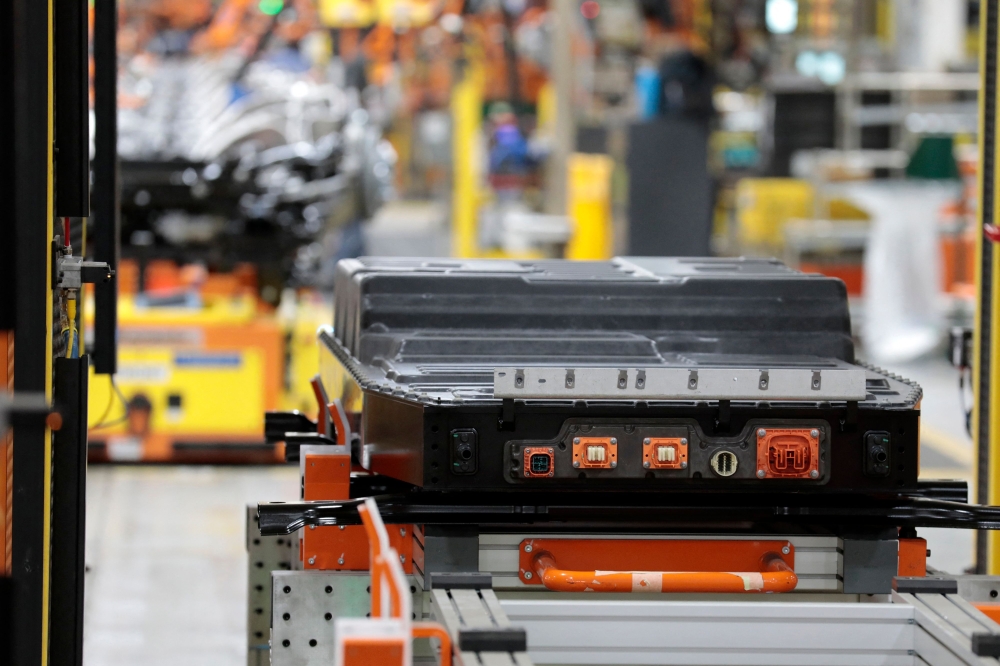

A battery waits to be installed on the frame of Ford Motor Co battery powered F-150 Lightning trucks under production at their Rouge Electric Vehicle Centre in Dearborn, Michigan September 20, 2022. Thailand plans to impose mandatory safety standards on electric vehicle batteries covering their manufacture, import and sale, the government said today, as the country seeks to build confidence in its growing EV industry. — AFP pic
First Published: Friday, 23 Oct 2026 7:14 PM MYT
BANGKOK, Oct 23 — Thailand plans to impose mandatory safety standards on electric vehicle (EV) batteries covering their manufacture, import and sale, the government said today, as the country seeks to build confidence in its growing EV industry, Xinhua reported.
The standard applies to non-lead-acid rechargeable batteries in battery-electric passenger and goods vehicles with at least four wheels. It requires protection against overcharging, overheating and short circuits, said deputy government spokesperson Lalida Periswiwatana.
Under a draft ministerial regulation, manufacturers and importers would need licences under Thailand’s Industrial Product Standards Act, while retailers would only sell products that are licensed and meet the standard.
The rules would take effect 180 days after publication in the official Royal Gazette. Businesses are advised to follow the progress of the regulation and prepare for product standards, testing, and licensing requirements, Lalida said in a statement.
Beyond pre-market safety controls, the Ministry of Industry has also been asked to study ways to track batteries after their service life ends. Lalida said the proposal remains under consideration and is not yet a take-back or mandatory recycling scheme.
The government wants Thailand’s EV industry to grow with quality, not just by increasing production capacity or sales, she said, adding that this approach would build consumer confidence, strengthen the competitiveness of the South-east Asian country’s EV industry, and drive the economy alongside sustainable environmental care. — Bernama-Xinhua
KioskNews shows a cleaned-up reading view extracted from the publisher’s page — the original always lives on their site, not ours.