Eisenkot needs more than a confidence vote, he needs a majority to pass a budget - editorial

Eisenkot may secure enough votes to form a minority government, but his ability to govern will depend on whether he can build a parliamentary majority to pass a budget and advance key policies.
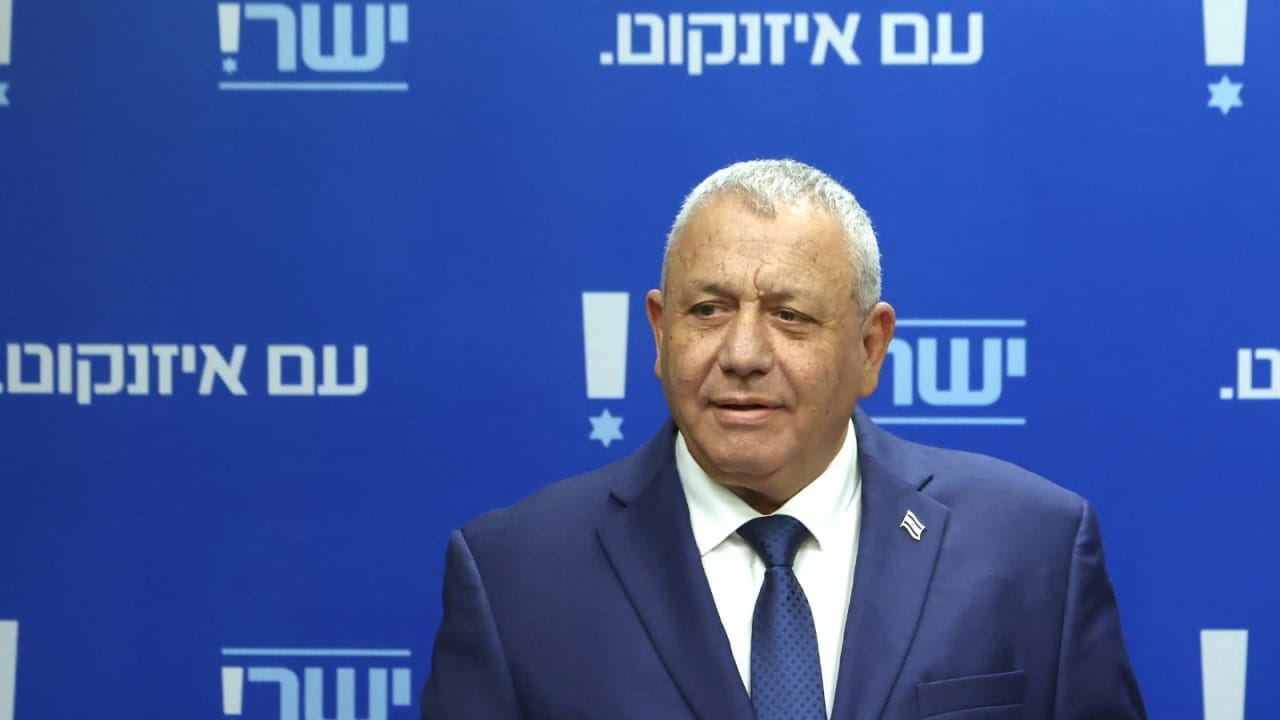
Gadi Eisenkot found the votes to elect a Knesset speaker. Can he find the votes to pass a budget?
On Friday, the Yashar leader said he would bring a minority government to a Knesset confidence vote if talks with Likud and the ultra-Orthodox parties fail. His initial mandate runs through December 6, and President Isaac Herzog can extend it by up to 14 days. Eisenkot is right not to let negotiations drag on indefinitely. Israelis should not be sent back to the polls simply because their leaders cannot bring themselves to make a deal.
The October 27 election left Prime Minister Benjamin Netanyahu’s bloc with 53 seats, the four principal opposition parties with 48, and the Arab parties with 19. Matan Kahana’s election as Knesset speaker last Tuesday, by a vote of 66 to 52, showed that those numbers can produce a majority on a given day. It did not show that the same lawmakers would keep a government in office or vote in favor of its spending plans.
A new government can take office with fewer than 61 votes if more MKs vote for than against. Abstentions do not count. There is nothing improper about forming a minority government. But a party that sits out a confidence vote has made no promise to vote for the budget. Eisenkot cannot count the same abstention twice.
The budget is where the arithmetic gets harder. Israel must pay for a prolonged war while meeting demands on public services. Money for reservists and their families has to come from somewhere. So does money to rebuild communities damaged by the war. A party can back Eisenkot’s bid to replace Netanyahu and still refuse to vote for his spending priorities. If every budget vote becomes a fresh coalition negotiation, ministers will spend their time bargaining over whether they can govern instead of getting on with it.

Military conscription disputes pose another test for Eisenkot's potential coalition
Military service poses much the same problem. The IDF needs more recruits, and a coalition agreement that papers over disagreements about who serves will not provide it. The parties can negotiate over how to broaden enlistment and how quickly to do it. What they cannot do is leave the question to the next crisis and call that an agreement.
Arab MKs were elected by Israeli citizens and have every right to participate in parliamentary decisions. Their votes are not inherently less legitimate than anyone else’s. But any party offering outside support should say what that support covers and what it expects in return. Will it back a budget? Will it vote with the government on major security legislation? Avigdor Liberman’s opposition to a government dependent on Arab-party support makes those questions especially pressing.
Opposition to Netanyahu is not, on its own, an agreement on who should replace him or how.
A broad coalition could offer more stability, but Netanyahu should not use the difficulties of a minority government as an excuse to prolong the deadlock. If he is serious about unity, he should say where he is prepared to compromise, not merely insist that his rivals accept his leadership. Nor should a unity government be an arrangement in which both sides get seats at the cabinet table and agree to put off the hard decisions.
Eisenkot must secure parliamentary support beyond the confidence vote
Eisenkot does not need to settle every dispute before asking the Knesset for its confidence. He does need to show that the parties prepared to put him in office, or let him take office, can agree on enough to keep the country running. A list of first-year priorities would help, but it is no substitute for knowing who will vote for them.
Before the confidence vote, Eisenkot should tell Israelis which parties will back his first budget and what they are asking in return. If he cannot answer that, while he may have found a way to become prime minister, he has yet to show how he would govern.
KioskNews shows a cleaned-up reading view extracted from the publisher’s page — the original always lives on their site, not ours.