Faith traditions that shape how Filipinos observe All Souls’ Day
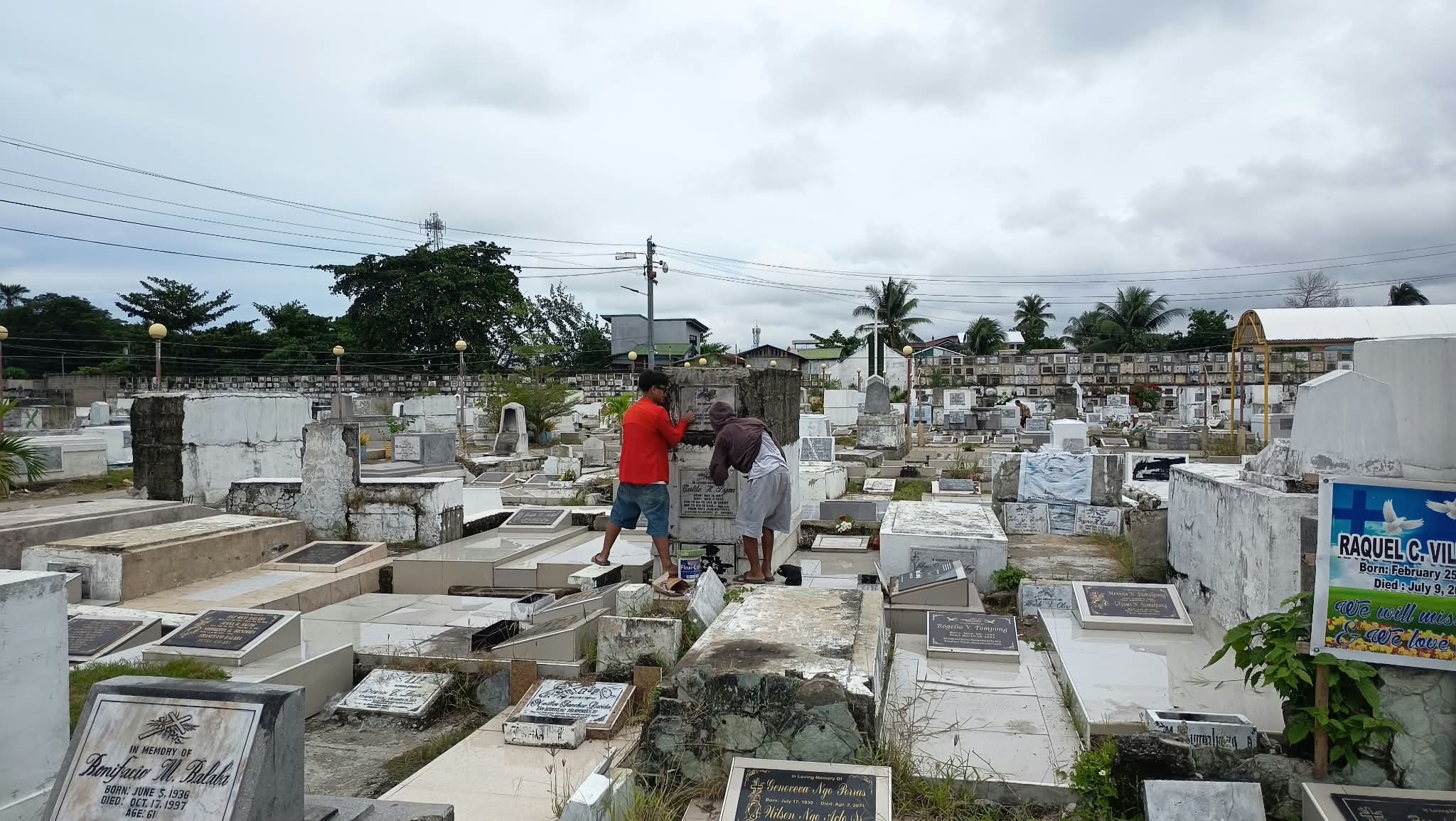

ILIGAN CITY, Philippines — For Donna Montebon, a Catholic mother of three, All Souls’ Day is more than an annual visit to the cemetery. It is a family tradition that keeps the memories of departed relatives alive and allows younger generations to learn about those who came before them.
Every Nov. 1 and 2, her family visits the graves of her grandparents and her husband’s grandparents in a public cemetery. They light candles, offer prayers and spend hours remembering their loved ones.
The visits also become family gatherings, where relatives share meals and reminisce about those who have passed away.
Article continues after this advertisement
Montebon said her family has never been accustomed to leaving food offerings at graves. Instead, they observe the occasion through prayers, candle-lighting and spending time together.
FEATURED STORIES
NEWSINFO
NEWSINFO
NEWSINFO
“We have never been accustomed to offering food at the graves. Instead, we light candles, pray and spend time together as a family while remembering those who have passed away,” she said.
Having visited relatives buried in both public and private cemeteries, Montebon has noticed a striking difference in how the observance unfolds.
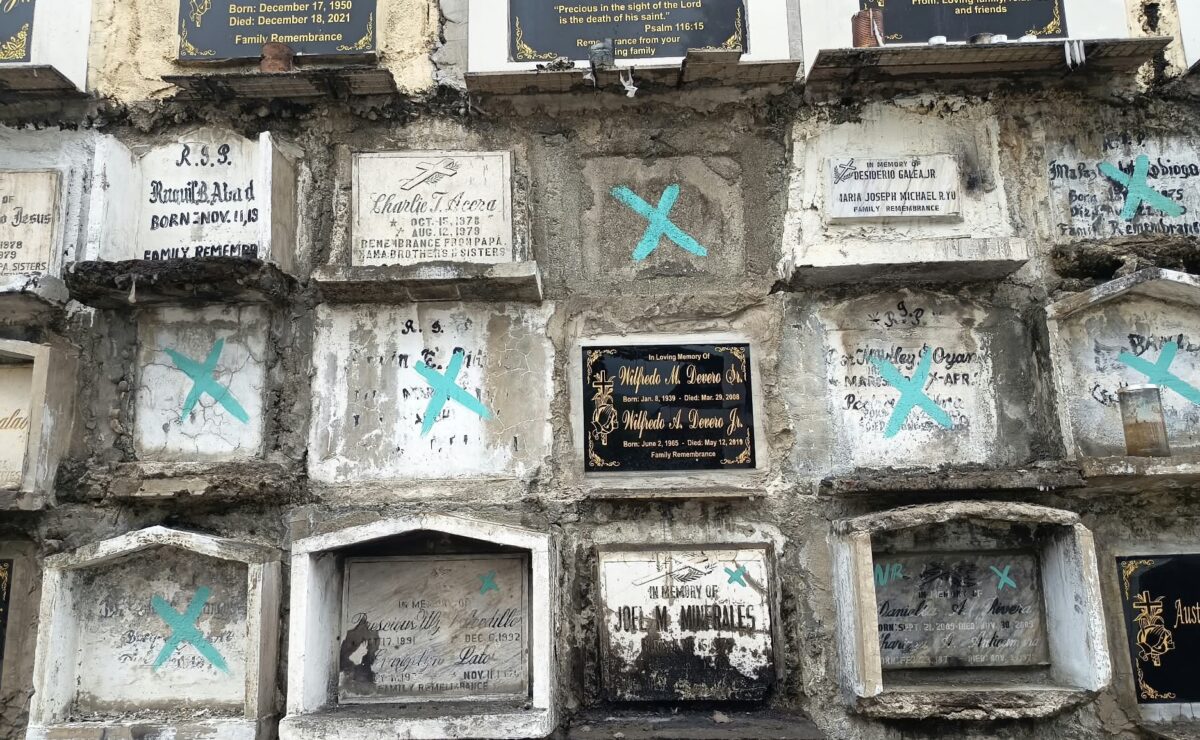
Public cemeteries typically become crowded, with families squeezing through narrow pathways between closely spaced graves. Conversations, prayers and reunions fill the burial grounds as relatives gather throughout the day.
Private cemeteries, meanwhile, tend to be quieter, cleaner and more orderly, with visitors coming and going without the same congestion.
Article continues after this advertisement
But the quieter surroundings also reveal something that troubles Montebon: graves that appear to have been forgotten.
“Some graves in private cemeteries are not even visited by anyone. It is heartbreaking to see,” she said.
Article continues after this advertisement
Her observation reflects the different circumstances of families during Undas, the Filipino tradition of remembering the dead, when thousands visit cemeteries to honor relatives who have passed away.
While some gather annually to pray and share memories, others may no longer have family members who can visit their loved ones’ final resting places.
Prayer, solemnity
For the Catholic Church, All Souls’ Day is not merely a cultural tradition or an occasion for family reunions. It is a religious observance dedicated to praying for the souls of the faithful departed.
Reverend Monsignor Alberto de Lara, vicar general of St. Michael’s Cathedral in Iligan City, said cemetery visits should be marked by reverence and respect for the dead.
He said the Church discourages activities that turn burial grounds into venues for noisy celebrations and parties, emphasizing that cemeteries are sacred spaces where the dignity of the departed must be preserved.
“There are practices that can become too noisy and festive. In Catholic cemeteries under the Diocese of Iligan, we strongly discourage parties and loud activities, especially during All Souls’ Day. We want to preserve the dignity of these places because they are the final resting grounds of our loved ones,” de Lara said.
He said the annual observance allows the faithful to remember the dead through prayers, cemetery visits and family gatherings, with the celebration of Mass forming an important part of the occasion.
“Most importantly, we must pray for them. We remember them in our prayers, and celebrating Mass is also part of that remembrance,” he said.
De Lara emphasized that death does not erase a person’s place in the lives of those left behind.
“Even though they have died, it does not mean they are no longer part of our lives. They will always remain part of us,” he said.
He also explained the Catholic teaching on purgatory, where souls who die still needing purification undergo this process before entering heaven.
Under this belief, prayers offered by the living can help the faithful departed in their purification.
“We have brothers and sisters who die without being perfect. That is why they need our prayers. We pray to God for them because our prayers help them in their purification,” he said.
The priest said traditional Filipino practices, such as offering flowers, lighting candles and bringing the favorite food of departed relatives to cemeteries, are not necessarily contrary to the religious observance.
These gestures, he said, can be expressions of affection and remembrance, provided they do not compromise the solemnity of the occasion.
“There is nothing wrong with these customs. Offering flowers, lighting candles and bringing the favorite food of departed loved ones are part of Filipino culture and, in some ways, reflect traditional beliefs. These are gestures through which families remember their loved ones,” he said.
Outside Catholicism, other Christian denominations have their own interpretations of the observance and traditions surrounding death.
Stephen Villaester, bishop of the Anglican Catholic Church in Iligan City, said his church does not observe Halloween because of its perceived association with witchcraft and the summoning of the dead and evil spirits.
“We do not practice Halloween because it has some connection to witchcraft, particularly the calling upon the dead and evil spirits,” Villaester said.
The church, however, observes All Saints’ Day on Nov. 1, which commemorates individuals recognized as saints for their faith and devotion to Jesus Christ, including those beatified by the Vatican.
Villaester said the lives of these individuals serve as examples of faith and obedience to Christ.
“All Saints’ Day is a time to remember and celebrate the lives of those who became saints because of their faith and obedience to Christ. It is also a celebration of the lives of those who were beatified by the Vatican. Their lives deserve to be celebrated, and we are not against that,” he said.
All Souls’ Day, meanwhile, is an occasion to remember all those who have died, whether recognized as saints or ordinary people.
Villaester said members of his church are free to decide whether to observe the occasion according to their personal convictions.
“We give our members the freedom to observe it or not. We respect every doctrine and every religious practice,” he said.
Your subscription could not be saved. Please try again.
Your subscription has been successful.
On cemetery activities, he said families could gather and celebrate as long as they observe the law and comply with local government regulations intended to ensure public safety. /cb
KioskNews shows a cleaned-up reading view extracted from the publisher’s page — the original always lives on their site, not ours.