Cop31 live: clock running down on climate talks as deep divisions remain

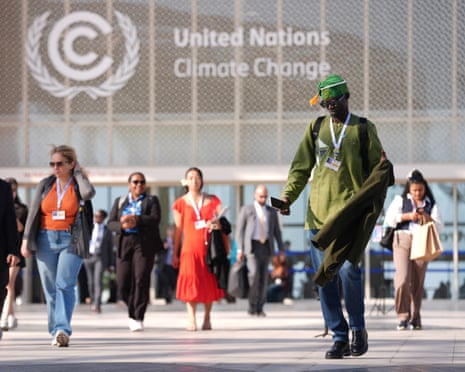
Delegates arrived to the Cop31 conference centre under grey skies and showered by a fine drizzle this morning. The weather could have been straight from a school creative writing piece, for these are the final days when the UN climate talks get serious.
Since the chaotic – and unexpected – first draft of the “cover decision” on Monday, progress has been slow in Antalya. It has been difficult to figure out what the story is. Unlike previous Cops, there is no headline-grabbing initiative to follow. The 35 by 35 electrification project lacks glamour. The promise to be an “implementation Cop” has not been fulfilled.
Divisions have been clear, however. They are along similar lines to usual. Who will pay for climate breakdown? All the developing world delegates I speak to here say climate finance is the most important issue. It pervades all discussions. Developing countries, already facing debt crises, want public finance from wealthier countries. But the richer countries say they have their own debt problems, crises at home and security issues that require greater military spending.
It is up to the presidency to find ways to bridge the gap between parties. Typically, presidencies have done this by convening informal negotiations, where high level delegates – often ministers – get together to work out a solution. It dates back to Durban’s Cop17, where the South African presidency staged “indabas”, the Xhosa word for a gathering of tribal elders. Last year in Brazil it was mutirão, a word with Guarani roots that had become co-opted into Brazilian Portuguese.
This year, climate diplomats will be getting together in the divan.
Key events
Good morning, I’m Ajit Niranjan bringing you the Cop31 liveblog from Berlin. We’re heading into the final hectic days of negotiations, and my colleagues on the ground will be guiding you through the conclusion of these contentious climate crisis talks.
Delegates arrived to the Cop31 conference centre under grey skies and showered by a fine drizzle this morning. The weather could have been straight from a school creative writing piece, for these are the final days when the UN climate talks get serious.
Since the chaotic – and unexpected – first draft of the “cover decision” on Monday, progress has been slow in Antalya. It has been difficult to figure out what the story is. Unlike previous Cops, there is no headline-grabbing initiative to follow. The 35 by 35 electrification project lacks glamour. The promise to be an “implementation Cop” has not been fulfilled.
Divisions have been clear, however. They are along similar lines to usual. Who will pay for climate breakdown? All the developing world delegates I speak to here say climate finance is the most important issue. It pervades all discussions. Developing countries, already facing debt crises, want public finance from wealthier countries. But the richer countries say they have their own debt problems, crises at home and security issues that require greater military spending.
It is up to the presidency to find ways to bridge the gap between parties. Typically, presidencies have done this by convening informal negotiations, where high level delegates – often ministers – get together to work out a solution. It dates back to Durban’s Cop17, where the South African presidency staged “indabas”, the Xhosa word for a gathering of tribal elders. Last year in Brazil it was mutirão, a word with Guarani roots that had become co-opted into Brazilian Portuguese.
This year, climate diplomats will be getting together in the divan.
KioskNews shows a cleaned-up reading view extracted from the publisher’s page — the original always lives on their site, not ours.