China’s BYD considering lithium battery plant in Argentina, foreign minister says
BYD is studying whether to manufacture lithium batteries in Argentina, Foreign Minister Pablo Quirno said on Thursday after meeting Stella Li, the Chinese electric vehicle maker’s executive vice-president.
According to Quirno, the company was looking at “investment opportunities in Argentina linked to the lithium value chain, particularly in the production of batteries and energy storage systems”. He did not say how much BYD might spend or where the factory could go.
The minister tied the talks to Argentinian President Javier Milei’s economic agenda, saying Argentina was positioning itself “as a platform for projects aimed at both the domestic market and exports”.
Quirno credited the government’s policies with promoting investment and mining in the country.
BYD has sold only imported cars in Argentina since it opened for business in October last year, and it has not announced production plans in the country. It sold 10,000 vehicles in August, including a Dolphin Mini in Rosario, and now has 21 dealerships, most of them in Buenos Aires.
02:18
Brazil officials say Chinese EV maker BYD subjected workers to ‘slavery-like conditions’
The company’s local subsidiary, BYD Auto Argentina SAU, registered with the Justice Ministry in August last year with a corporate purpose that already included making vehicles, batteries and auto parts, the South China Morning Post reported at the time.
Christian Kimelman, who runs the Argentine operation, said a car factory was not on the table for now.
“It is not in the plans, but anyone who knows the Argentine industry knows that, to lead the sector in the current context, you need to have some kind of vision in that direction,” he told Bloomberg Linea earlier this year.
Kimelman said most of BYD’s supply for Argentina and Mexico would come from its factory in Camacari, in the Brazilian state of Bahia.
The plant opened in October last year with capacity for 150,000 vehicles a year, and in March Li said it had orders for 50,000 cars from each country.
Cars made in Brazil can enter Argentina largely duty-free under the automotive agreement between the two Mercosur members. Vehicles from outside the bloc pay a 35 per cent tariff, except for a quota of 50,000 units that Chinese brands have dominated.
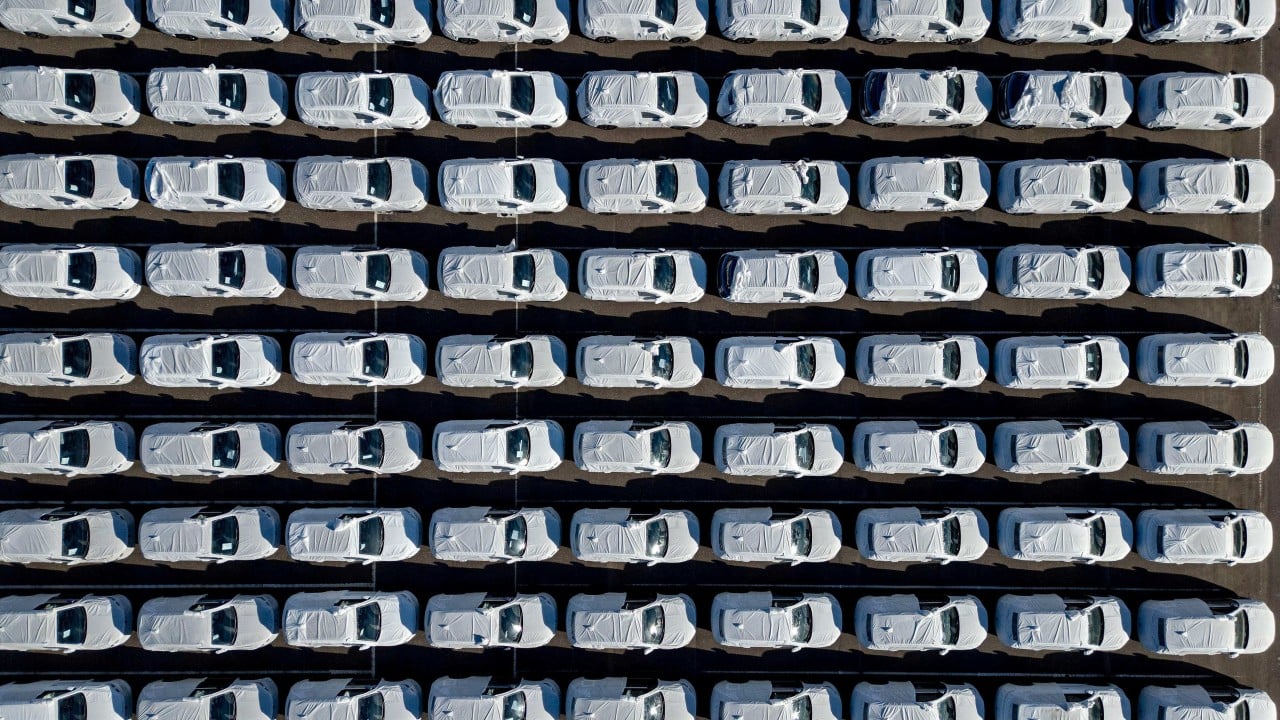
BYD has also kept shipping cars from China on its own vessels, and in January the BYD Changzhou unloaded more than 5,000 vehicles at the port of Zarate. The company registered 9,266 cars in Argentina in the first half of the year, according to the importers’ chamber.
A lithium venture in Argentina would follow BYD’s failed attempt in Chile, where it planned a US$290 million cathode plant in Antofagasta.
The factory was meant to make 50,000 tonnes a year of lithium iron phosphate cathode material, using lithium from SQM at a preferential price.
But BYD and Tsingshan, the other Chinese company Chile’s development agency, Corfo, picked for the scheme, both pulled out in May last year. At that time, Corfo blamed the collapse in lithium prices.
KioskNews shows a cleaned-up reading view extracted from the publisher’s page — the original always lives on their site, not ours.