Geopolitics won’t affect Interpol assembly, ‘inevitable’ police cooperation: Joe Chow
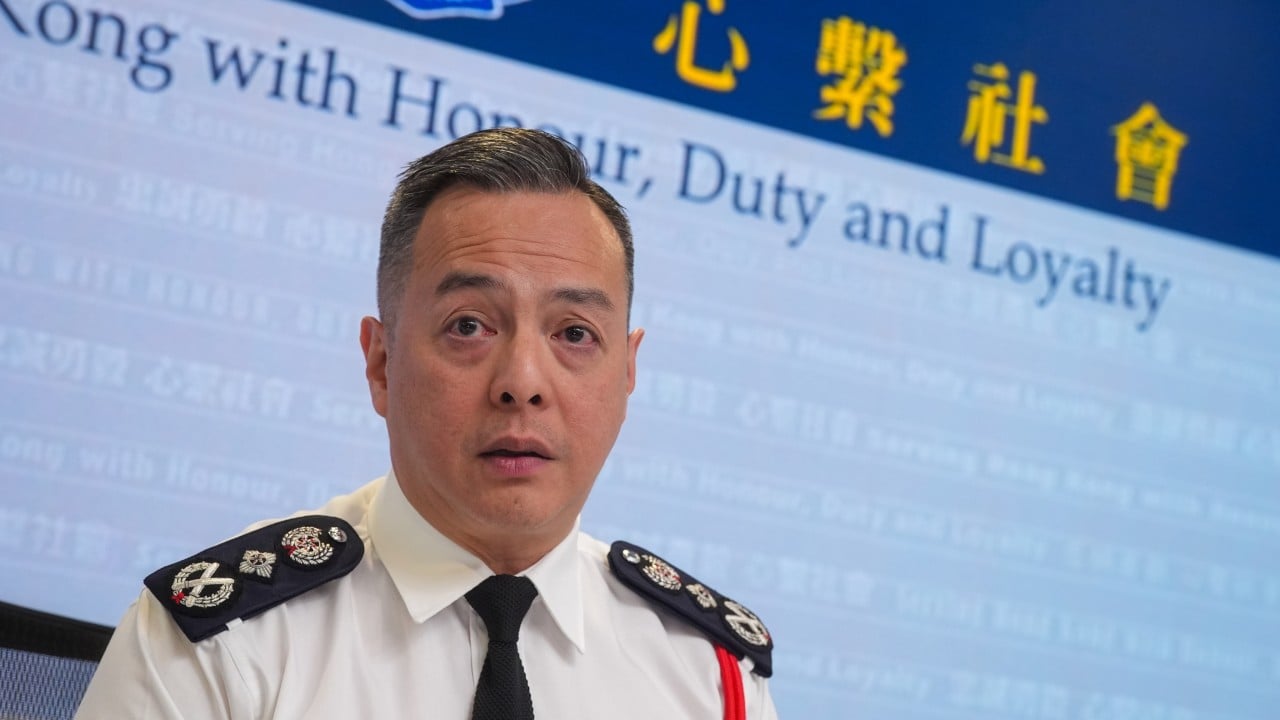
Hong Kong’s police chief has dismissed concerns that geopolitical tensions could affect attendance at the coming Interpol general assembly to be held in the city, saying transnational cooperation on policing is “inevitable”.
Speaking on a TV programme on Sunday, Commissioner of Police Joe Chow Yat-ming responded to questions about whether American and European countries would send representatives to the meeting, to be held from November 30 to December 3 in Hong Kong.
“Geopolitics is one thing, but collaboration on policing is another matter. In the end, every region or country hopes to serve its residents. Some cross-border cooperation is inevitable,” he said.
“We are still receiving registrations, and I cannot comment on which countries are attending. However, most of the 196 member states send representatives to attend the general assembly every year.”
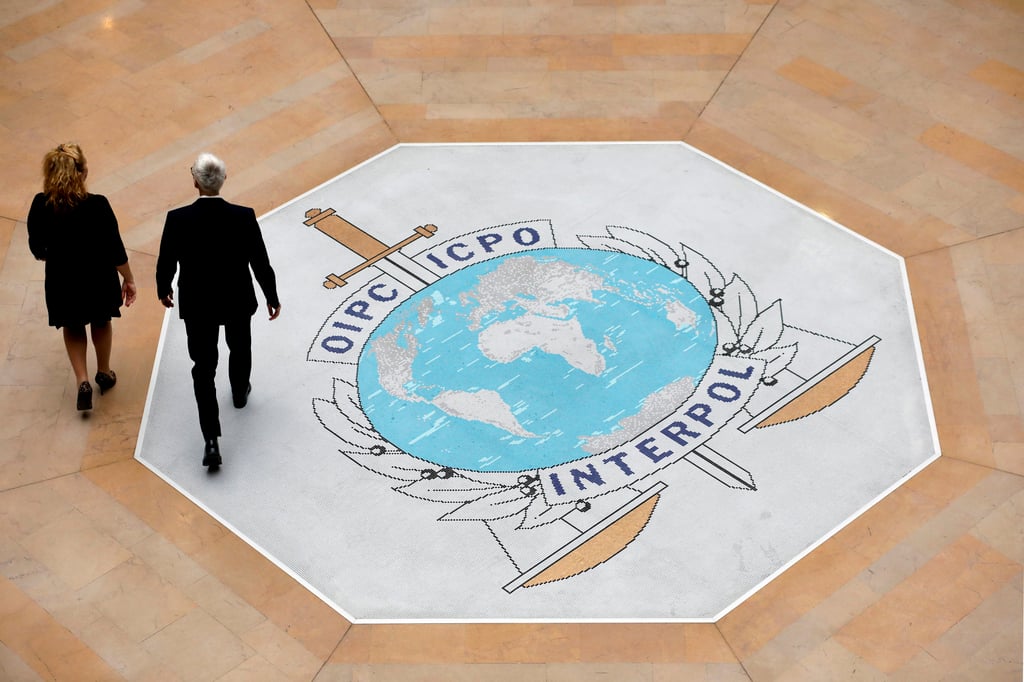
The assembly, Interpol’s supreme governing body, adopts resolutions on major crime policies, police resources, working methods and financial matters.
Chow was confident the meeting would be successful, noting that the local administration had spent about three years preparing for the assembly and had conducted about 10 rehearsals and drills this year.
Interpol will seek approval for a new “silver notice” at the coming assembly. The system, which has been undergoing trials for two years, aims to identify and trace criminal assets and help speed up investigations into transnational financial crimes.
Hong Kong joined the trial programme at the beginning of this year, and Chow said he hoped the system would be approved as it would be a useful tool for law enforcement agencies.
Chow added that the meeting agenda had yet to be confirmed, but the use of artificial intelligence was expected to be one of the key focuses at the assembly.
He said the local police force would take the opportunity to share its experience of using AI to combat AI-related crimes, such as identifying images created by deepfake technology.
On local policing, Chow said the force had started discussing with more shopping centres to connect their security cameras with police’s expanding smart surveillance networks.
He said the expansion would require integrating different camera systems and eliminating cybersecurity risks, such as hacking and data leaks.
Police aimed to connect the malls’ security footage to the network round the clock, stressing that the cameras would only be used to film public places.
Chow said it was “impractical” to connect security cameras at all shopping centres at the start, and the force would seek to expand its surveillance to cover other malls and premises gradually.
Asked whether police would seek to connect security cameras installed in public areas of private housing estates, Chow said further study was needed to determine the effectiveness of such surveillance.
However, the force would expand its security surveillance network to cover government departments, including the Leisure and Cultural Services Department.
The SmartView project, launched in 2024, includes plans to install 60,000 police cameras across the city by 2028.
The force will enable AI-powered facial recognition technology across its expanding smart surveillance network on Monday to improve the tracking of missing persons and suspects.
Chow earlier said that the technology could help identify people even if they wore masks or used other methods to evade detection, adding that the measure was intended to deter would-be criminals.
KioskNews shows a cleaned-up reading view extracted from the publisher’s page — the original always lives on their site, not ours.