Former MAFAT official: AI added to 30% of IDF systems within a year after October 7
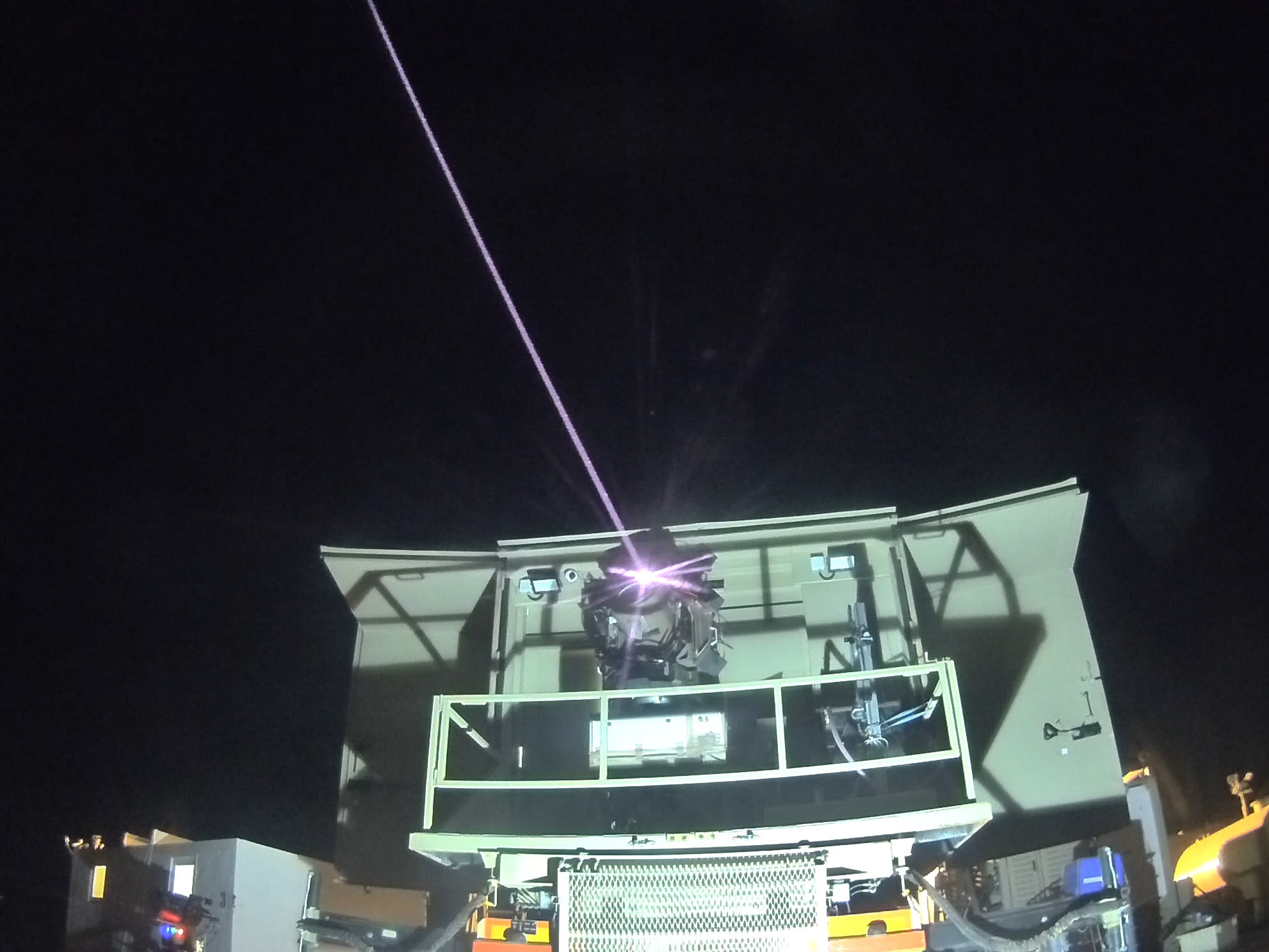
AI capabilities were integrated into about 30% of IDF systems in less than a year after October 7, according to Golan Malca, vice president of sales and business development at TSG Systems and former head of the dual-use division at MAFAT, the Defense Ministry’s research and development directorate. Malca made the comments in an interview in an episode of The Jerusalem Post's Defense and Tech Podcast.
Malca said his main goal at MAFAT was to bring mature AI from the commercial and civilian sectors into the defense ecosystem, where he found the technology was “not mature enough.” He said that during the first year of the war, infantry soldiers received technologies adapted from smartphones, commercial drones and AI algorithms, and that commanders changed how they thought about using AI.
According to Malca, AI has also sped up TSG’s own work. He said the company now promises potential customers that when they bring a new sensor, “It will take us not more than one week, maximum two weeks to adapt our system to the new sensor.”
He said that work used to take weeks or sometimes months. Still, he does not expect machines to take over battlefield judgment. “I don’t think that the AI will replace the mindset that the commanders bring to the battle,” he said.
Malca said European customers want combat-proven systems and are “not ready to be the R&D house or the integration house for the Israeli startups.” He said no customer had turned TSG down because its systems are used by the IDF. With the current situation in Europe, he added, “it’s easier to open doors now.”
How has the battlefield changed?
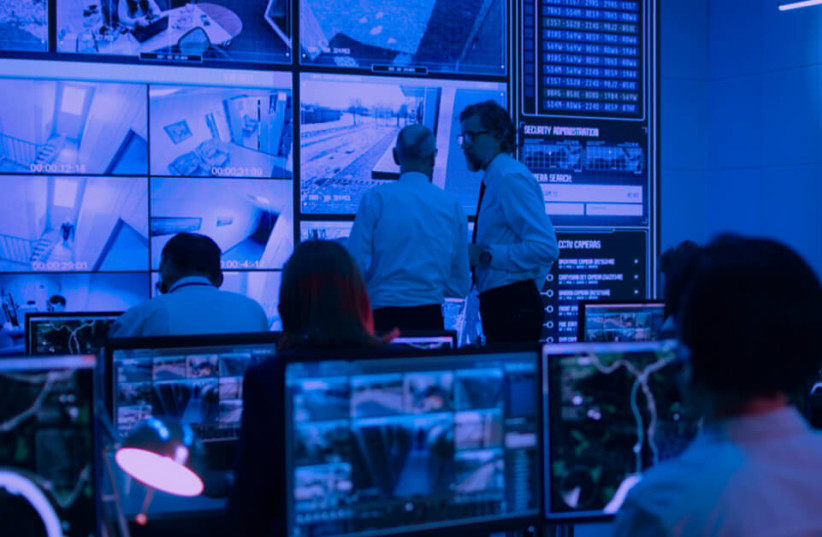
Malca said the battlefield has changed fundamentally over the past few years, starting with the Russia-Ukraine war and continuing in the Middle East. He said small drones, sometimes costing no more than $100 and often commercial or homemade, can now attack tanks or a data center worth $1 billion. He added that the most advanced tanks, cannons, and aircraft are no longer enough on their own. “The new battlefield is a lot of sensors, tens and sometimes thousands of sensors,” he said. In his view, the key is using AI to fuse that data and detect anomalies.
He said the next challenge is moving from single drones to swarms sent on specific missions, which he said are “totally different” to defend against. He pointed to Iran’s 2024 attack on Israel, which he described as involving around 300 missiles, rockets and drones, saying systems connected to more than 100 sensors tracked the incoming threats. TSG is now adapting that capability to counter drone swarms. Looking further ahead, Malca named space as the next front, saying offensive maneuvers there would come “Soon. Very soon.”
KioskNews shows a cleaned-up reading view extracted from the publisher’s page — the original always lives on their site, not ours.