Wall Street strategist cuts S&P 500 target again, sees bear market as unlikely
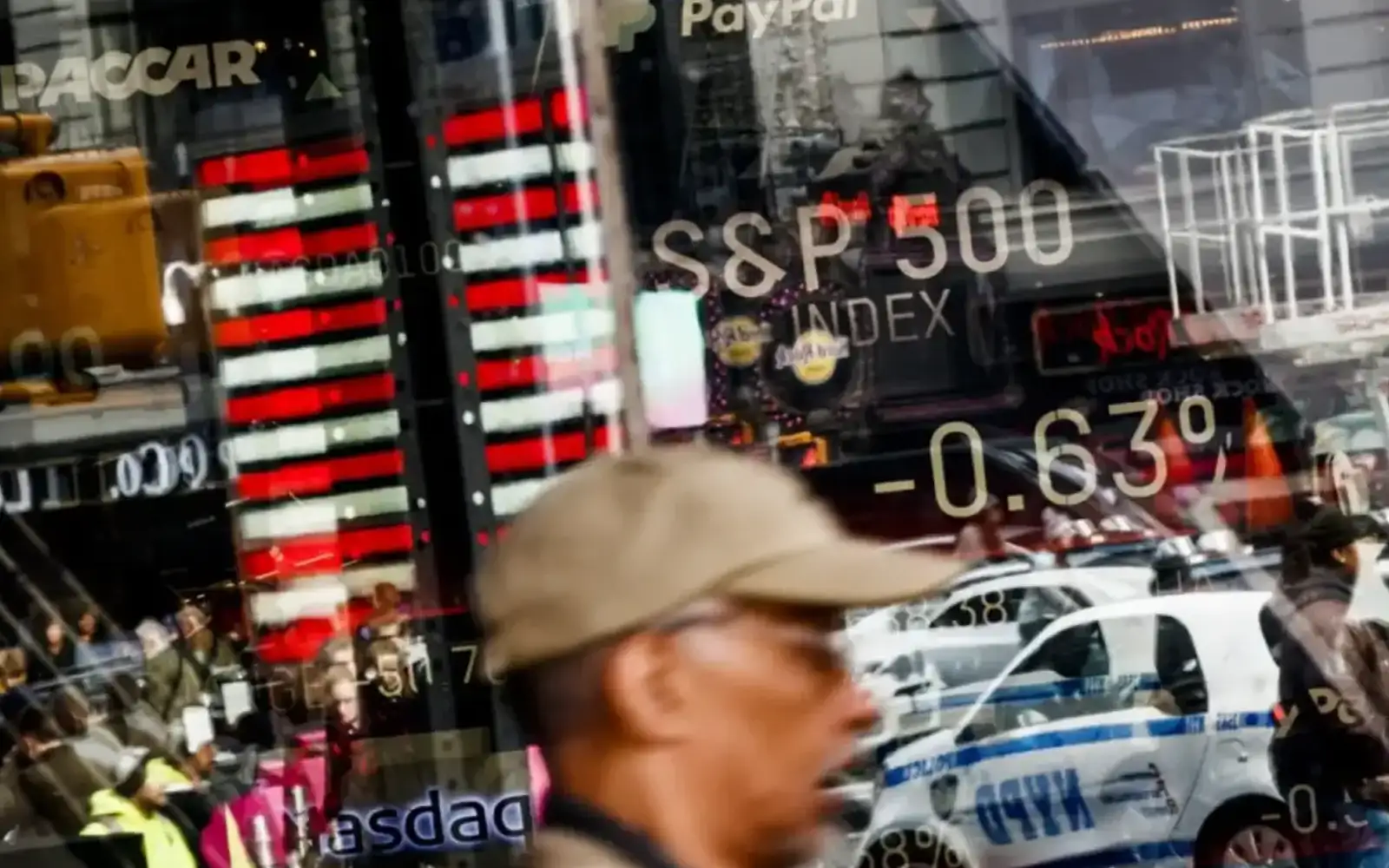
Yardeni Research expects the S&P 500 to end 2026 at 7,500 points, down from its September forecast of 7,900, but still more than 8% above Friday's close.
NEW YORK:Wall Street strategist Ed Yardeni cut his S&P 500 Index year-end forecast for the second time in about two months in the wake of a powerful stock selloff that pushed the benchmark into a technical correction.
The president and chief investment strategist of Yardeni Research Inc. sees the index closing out 2026 at 7,500 points, down from the reduced target of 7,900 he projected in September. That would still represent a recovery of more than 8% for US stocks from where they ended on Friday.
Anxiety around the viability of the AI trade has pushed the S&P 500 lower for seven straight days, while the tech-heavy Nasdaq 100 Index just posted its worst week since March 2020.
Yardeni said semiconductor stocks were also hit hard by news of stricter US export curbs in response to allegations that Nvidia Corp. and other American peers were indirectly selling to China.
“The fear is that tighter export controls will lower the demand for chips and depress their prices,” Yardeni said in a research note. “If so, then the drop in the industry’s valuation multiple will soon be followed by a slowdown in earnings growth or even an outright drop in earnings.”
When he last lowered his S&P 500 forecast in September, Yardeni turned more cautious on equities while expecting buying opportunities to arise from the reaction to this month’s US midterm elections.
“We got more of a buying opportunity than we bargained for,” he wrote. “We expected a pullback. It has turned into a correction.”
The index is unlikely to sink into a bear market because there’s no threat of an impending economic downturn, he said.
And the strategist remains positive about the outlook for next year. Yardeni forecasts the S&P 500 to end 2027 between 8,500 and 9,000 points, a gain of as much as about 30% from current levels. It’s one of the most bullish targets among Wall Street strategists tracked by Bloomberg.
Last week’s heavy selling also caused a spike in the stock market’s main volatility gauge. The Cboe Volatility Index, better known as the VIX, rose to its highest level since April 2025. But Yardeni said he doubted the “fear gauge” would rise much further, given that there is “no recession in sight.”
KioskNews shows a cleaned-up reading view extracted from the publisher’s page — the original always lives on their site, not ours.