Why Maharashtra’s ban on loose masalas has split traders at Mumbai’s iconic Lalbaug spice market
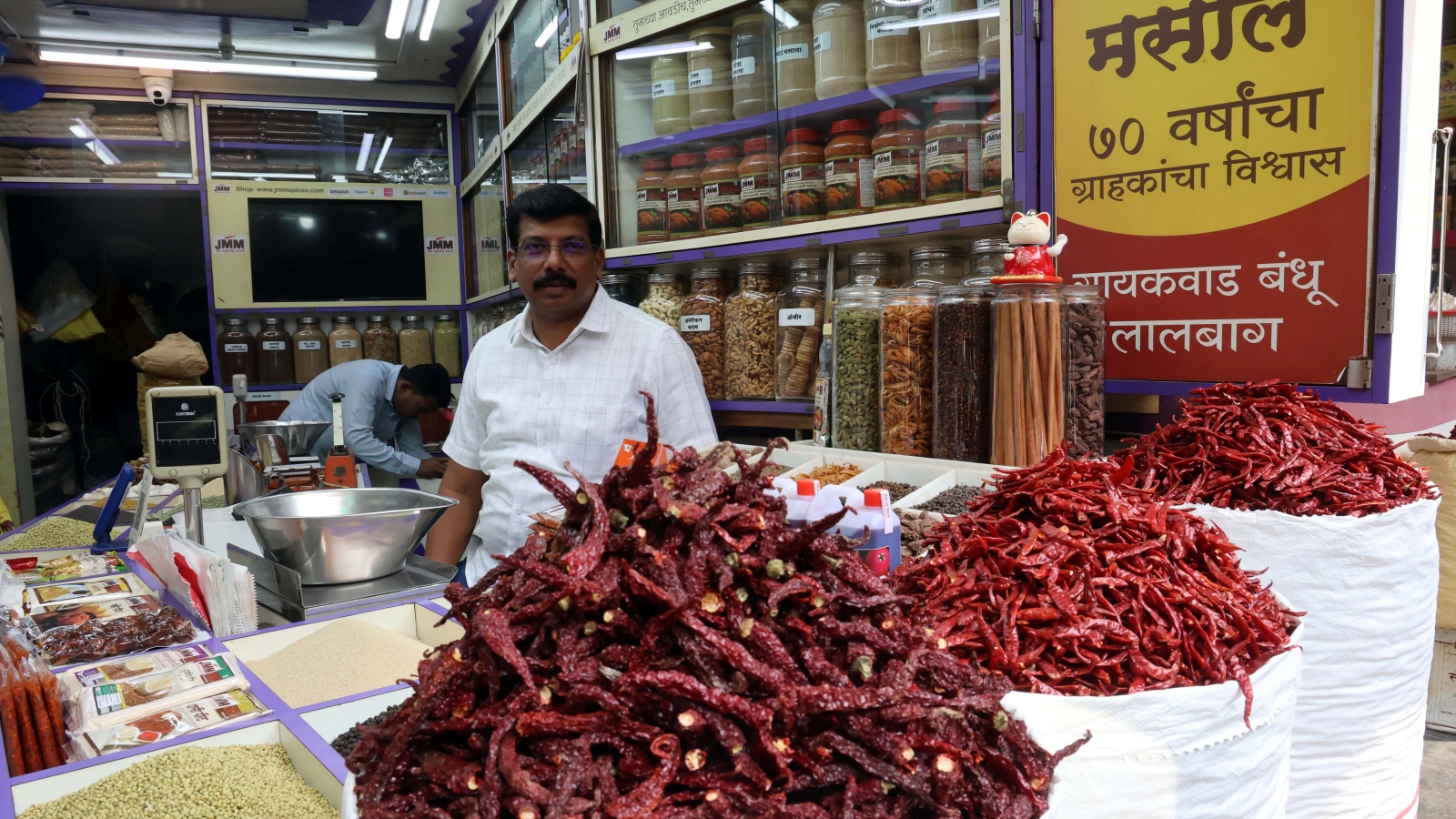
At Mumbai’s century-old Lalbaug spice market, customers have long bought masalas in small quantities, relying on shopkeepers whose families have served generations of buyers. A Maharashtra Food and Drug Administration (FDA) order banning the sale of loose, unpackaged spice powders has divided traders – while some back the move to curb adulteration, others fear higher costs and disruption to their traditional businesses.
Ajit Gaikwad, president of the New Lalbaug Markets Merchants Association, said traders supported the objective but needed clarity on implementation.
“If the government wants to eliminate adulteration, this is a good system. But there are practical issues that need to be addressed, including how to handle customers who need only 10 grams when packaged products may be available in quantities of 50 grams or more,” he said.
Packaging would add costs through cleaning, processing and sealing, Gaikwad said, but could also bring greater transparency and encourage established companies to enter the market. The association has around 150 registered spice merchants in Lalbaug, apart from an estimated 100 unregistered traders. It has begun discussing implementation concerns with the local food inspector.
Other traders, however, fear the requirements could push up prices and weaken the appeal of traditional shops.
Naresh Rathod of H B Rathod Masala said packaging each product and providing the required details on every packet would increase costs for consumers. He added that freshly ground spices could last about a year when stored in airtight conditions.
Rathod also questioned whether packaged products were necessarily safer, arguing that regulators should examine concerns about contaminants in branded spices as well.
Story continues below this ad
Yusuf Kapasi, 80, owner of Gulab Traders, said packaging every item was “practically impossible” for his business. He argued that enforcement should focus on sellers who use harmful chemicals and colours to adulterate spices.
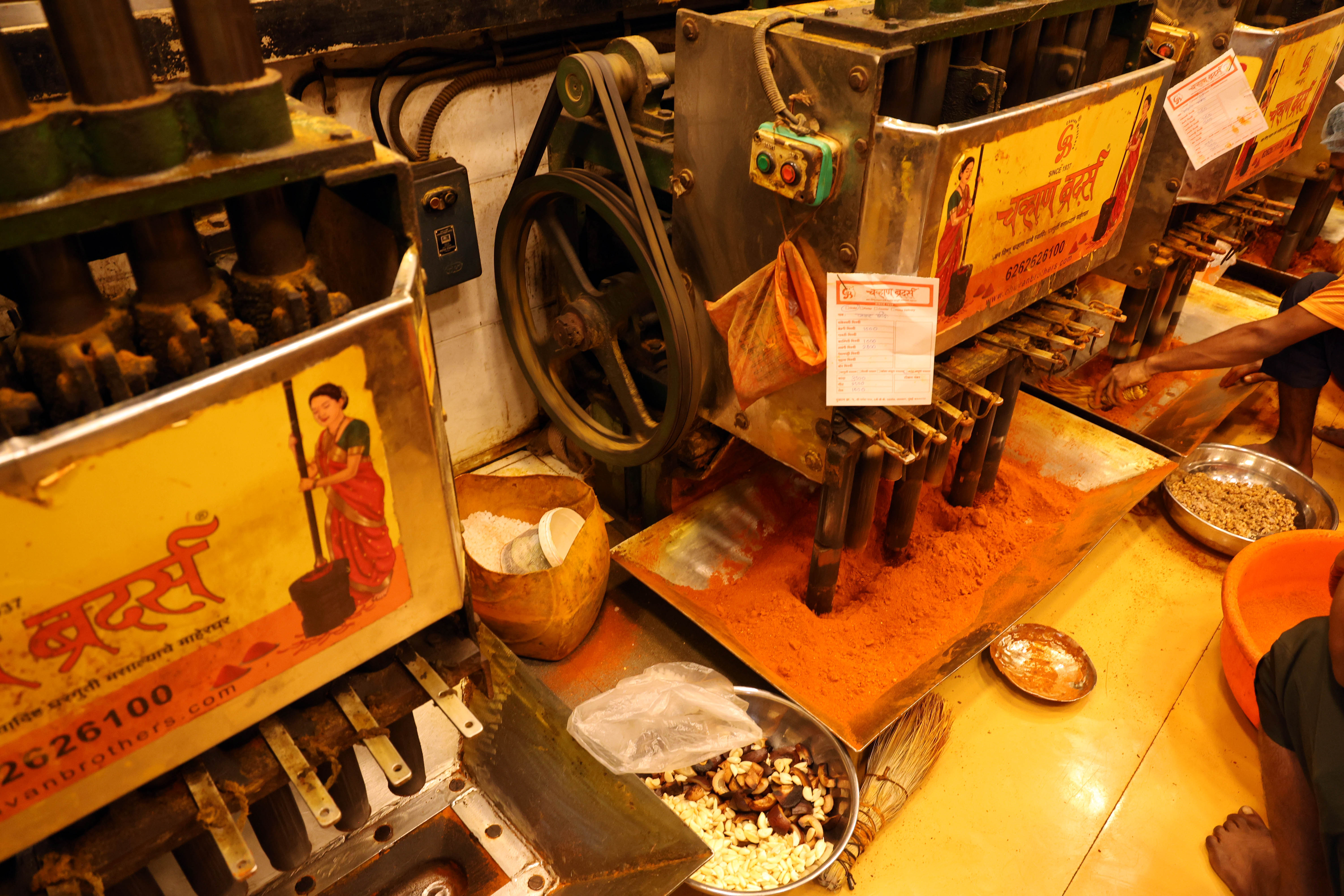 The Maharashtra Food and Drug Administration (FDA) has banned the loose and unpackaged sale of spice powders and mixed masalas. (Express Photo By Ganesh Shirsekar)
Kapasi said customers travelled from across Maharashtra to buy from his shop. One customer from Pune, who had come to stock up for his family, said his relationship with the store went back generations.
“It is about quality and trust. My mother used to buy from them, and now my wife also urges me to buy from them whenever I come to Mumbai,” he said.
At Vivek Stores, a shop with a history of around 100 years, Chandrakant Jadhav said loose spices were ground and stored in airtight jars under hygienic conditions.
Story continues below this ad
“If we package everything, customers will be forced to buy packets. Once spices are packaged, people cannot assess the quality for themselves in the same way,” he said.
Smaller manufacturers are also concerned about the additional expenditure. Sachin Shinde of Shindraj Masala, a business operating since 1962, said packaging would require additional staff and spending on labelling.
For small vendors, the financial burden could be harder to absorb.
“We are daily wagers; this is our only way of income. If we cannot do this, then we don’t know how else to survive in this city,” said a pushcart vendor selling powdered spices in Dadar.
Story continues below this ad
The FDA’s October 15 order prohibits the sale of spice powders and mixed spices in loose, unpackaged form. It requires them to be packed and sealed at the place of production before distribution and sale.
“To improve hygiene, spices must not be dried on public roads, drains or close to cattle sheds. Storage premises must be clean and spices must be protected from contamination,” said State FDA Commissioner Tukaram Mundhe.
KioskNews shows a cleaned-up reading view extracted from the publisher’s page — the original always lives on their site, not ours.