Taiwan aims to raise pilot retirement age to 58 as new F-16V jets arrive
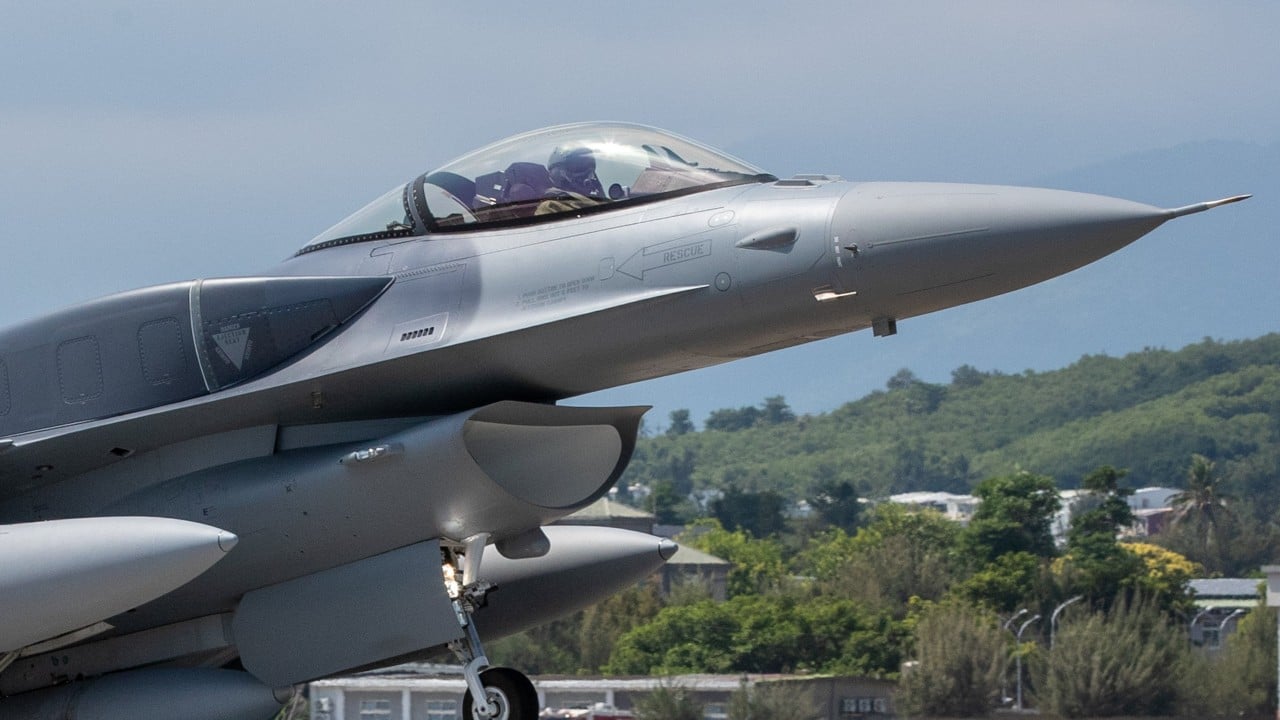
Taiwan’s defence ministry plans to allow military pilots to serve until the age of 58 as it grapples with the prospect of “having fighter jets but no pilots”.
The proposed retention scheme comes as the island’s air force prepares to form operational squadrons around 66 new F-16V Block 70 fighters ordered from the United States, adding pressure to an already stretched pool of experienced pilots.
Under the plan, pilots could serve until 58 – up from about 48 for lieutenant colonels and 52 for colonels – extending their current service limits of 26 and 30 years, respectively.
02:55
Taiwan concludes annual war games, including preparing for PLA sea blockade
The air force would create 72 additional posts for highly qualified lieutenant colonel and colonel pilots who have served at least 14 years, allowing them to retain their rank and focus on flying rather than command or administrative duties.
Defence Minister Wellington Koo Li-hsiung said on Monday the arrangement was designed to keep experienced pilots in uniform when many faced a choice between remaining in the military and pursuing longer, potentially more lucrative careers with commercial airlines.
Civilian airline pilots can fly until 65, giving military pilots an incentive to switch careers while they are still relatively young.
“If they can serve until 58, the gap with civilian airline pilots, who can fly until 65, will not be that large,” Koo told lawmakers in a legislature meeting.
He said 57 air force pilots had retired so far this year, broadly in line with previous years and fewer than last year. All had completed their minimum required period of service.
But the defence ministry acknowledged in a report to the legislature that retaining veteran pilots remained difficult as the post-pandemic expansion of commercial aviation had increased demand for experienced aviators.
The challenge is particularly pressing as Taiwan begins receiving its new F-16Vs and prepares to assign more than 100 pilots for the additional fighter units needed to operate them.
The first two of the 66 F-16V Block 70s landed at Chihhang Air Base, in the eastern county of Taitung, on October 2. They are expected to serve with the Seventh Tactical Fighter Wing, which is being organised into operational squadrons in phases.
The ministry said the air force had increased pilot positions and training in preparation for the new aircraft. Its pilot staffing rate stands at 87.8 per cent, although officials said it could rise to 91.3 per cent after pilots now undergoing training qualify in January.
Koo said training a military pilot took years, with those reaching lieutenant colonel or colonel generally among the air force’s most experienced and technically mature aviators.
Under the proposed system, the 72 veteran pilots would occupy additional posts outside the regular personnel establishment, meaning they would not take positions from other officers or have to assume command roles.
“Their job would simply be to fly,” Koo said, adding that they must still meet physical requirements.
They would also train and mentor younger pilots while continuing to receive aviation-duty allowances and retention bonuses.
The ministry submitted the proposal to the cabinet for approval on September 4 and estimates it would require more than NT$40 million (US$1.3 million) in funding.
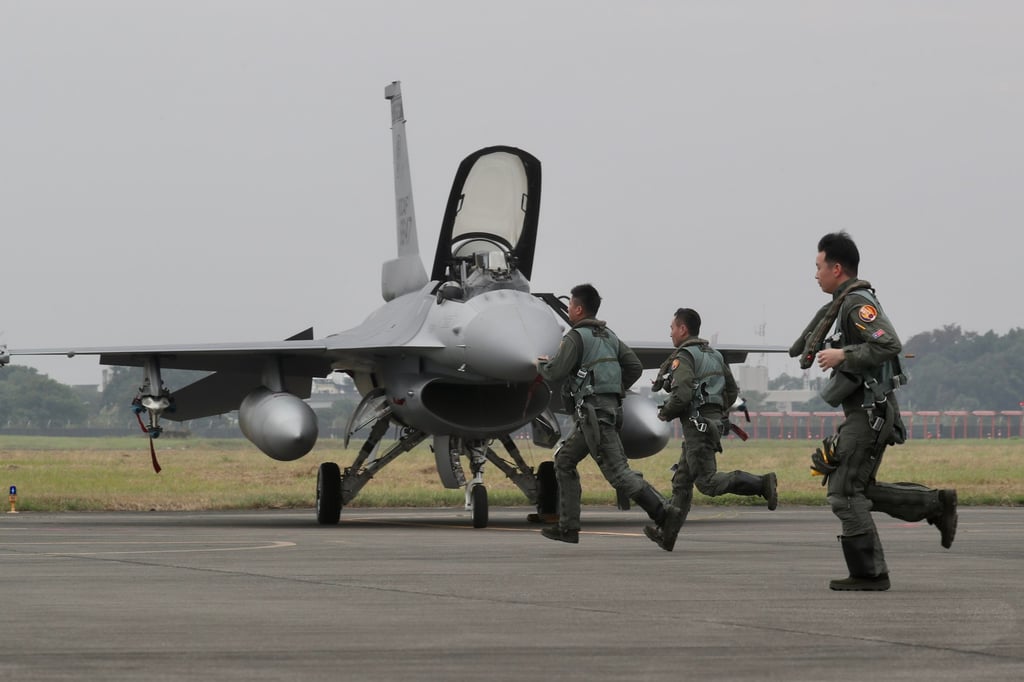
The retention push comes as deliveries of the long-delayed F-16Vs appear to be picking up.
Koo said 63 of the 66 aircraft had entered production, including six reaching the flight-test stage. Two have arrived in Taiwan, two will remain in the US for training and two others are undergoing acceptance procedures.
He said more fighters could pass acceptance tests this month and expressed hope that additional aircraft would arrive in Taiwan before the end of October.
However, Koo stopped short of promising that all 66 would be delivered by the end of next year. He said Taipei must continue coordinating with Washington over the schedule.
Lawmakers have raised questions about the electronic warfare capabilities of the first two aircraft delivered to Taiwan.
Air Force Chief of Staff Lieutenant General Lee Ching-jan said parts of the hardware for the AN/ALQ-254 Viper Shield electronic warfare suite had been installed, but its software remained under development.
The system is designed to detect and counter hostile radar and other electromagnetic threats, providing an important layer of protection for the Block 70 in contested airspace.
Koo said the electronic warfare suite still had to be integrated with other systems aboard the new fighters, with the work proceeding according to schedule.
10:01
What do we know about China’s two next-generation aircraft?
Asked about pilot fatigue caused by staffing pressures and frequent sorties by People’s Liberation Army warplanes around Taiwan, Lee said the air force had moved away from scrambling fighters to shadow PLA aircraft on a one-for-one basis.
Instead, Taiwan was using a combination of fighters already on patrol, naval vessels and land-based missile systems to monitor and respond to PLA activity, reducing strain on both pilots and aircraft.
Beijing regards Taiwan as part of China to be reunited by force if necessary. Most countries, including the US, do not recognise self-ruled Taiwan as an independent state, but Washington is opposed to any unilateral change to the cross-strait status quo by force and is committed to supplying it with weapons.
KioskNews shows a cleaned-up reading view extracted from the publisher’s page — the original always lives on their site, not ours.