China celebrities speak out on mental health diagnoses to seek authentic connections with fans
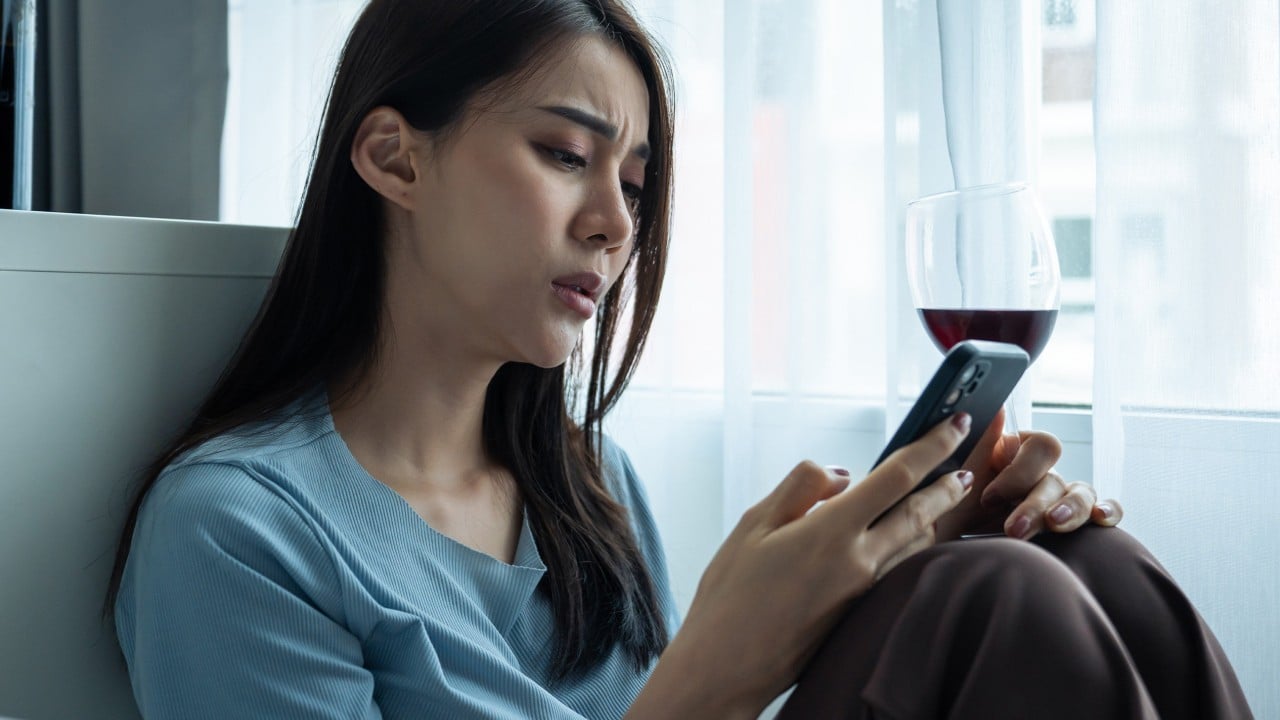
An increasing number of Chinese celebrities are voluntarily sharing their histories of mental illness, rather than following the previous practice of keeping them hidden, in what some see as an effort to win empathy and audience support.
These conditions include depression, anxiety, attention-deficit/hyperactivity disorder (ADHD) and obsessive-compulsive disorder (OCD).
In January last year, famous actress Zhao Lusi’s suspension of work due to severe depression put celebrities’ mental health struggles in the spotlight.
Last December, online influencer and entrepreneur Luo Yonghao revealed in a public speech that he had lived with ADHD for more than a decade.
Since the start of the year, more entertainers have publicly disclosed their mental health issues.
Among them are top-tier stand-up comedians Xiao Qi and Lin Jianqi, who have ADHD.
Actress Yu Na and singer Ye Yiqian said on variety shows that they had experienced or were experiencing anxiety.

Actress Zhao Yingzi said during a live-stream that she was struggling with depression after experiencing repeated online abuse.
Their disclosures were met with sympathy and support on social media.
One internet user told Zhao Lusi: “I feel sorry for you. I am also ill. I totally understand how painful it is.”
This stands in stark contrast to what another star, Ma Sichun, experienced years ago.
Ma, a native of eastern Anhui province, is a Best Actress winner at Taiwan’s Golden Horse Awards. On a variety show in 2020, Ma said she was ill and regularly took medication to treat her condition.
Although Ma did not explicitly disclose her illness, internet users soon concluded that she had depression.
Many accused her of “sadfishing,” while some mocked her for gaining weight, a possible side effect of taking medication.
Show business observers told the media outlet Vista Kan Tian Xia that many entertainers now regard their mental health struggles as a protective shield, thanks to growing public awareness of these issues.
As a result, audiences take celebrities’ mental health into consideration when judging them.
Luo, for example, sparked controversy by offending many influencers and celebrities online. After his ADHD diagnosis became public, some people might see his aggressive behaviour as related to his condition rather than his personality, experts said.
As a result, internet users became less hostile towards Luo, since few people would want to be at odds with someone who is ill.
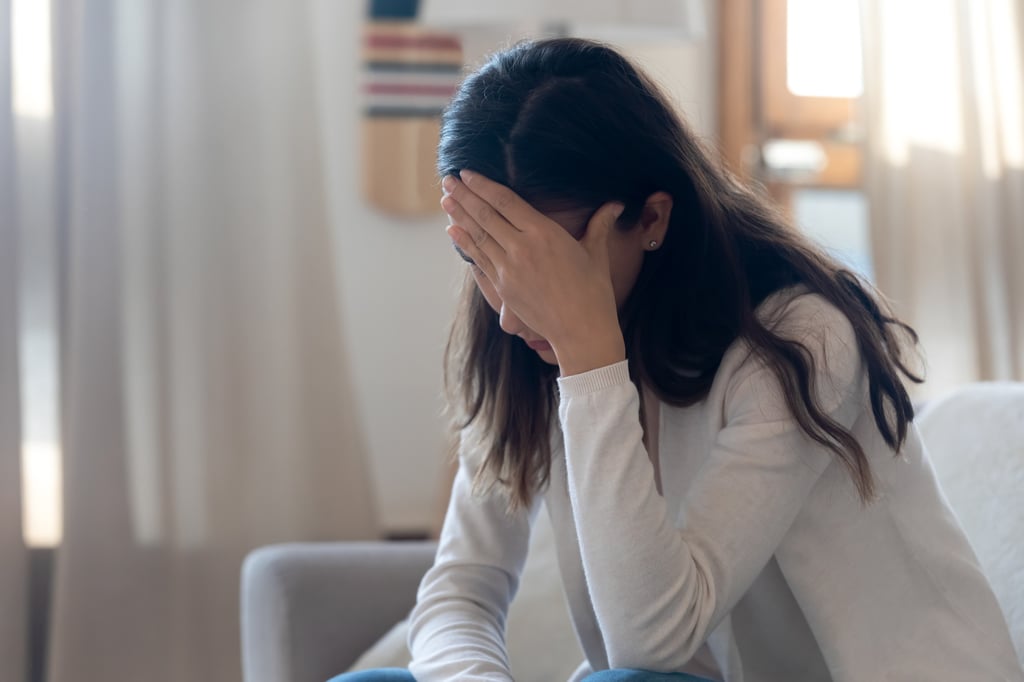
According to the experts, audiences’ general mindset has also shifted: instead of expecting stars to have perfect personas, they now try to see themselves reflected in them.
Since many people also experience pressure, anxiety, loneliness and psychological trauma, a star’s vulnerability or illness can bring them closer to audiences and resonate widely with the public.
But critics warned that the growing visibility of mental health struggles risks turning these conditions into internet sensations, making it harder for ordinary patients to seek understanding.
“Some internet users claim to have depression after taking a simple test online. But people with genuine conditions often dare not talk about their problems, or they may be misunderstood if their struggles do not appear serious enough,” a psychological consultant identified as Rain told the media.
KioskNews shows a cleaned-up reading view extracted from the publisher’s page — the original always lives on their site, not ours.