Oil leak found beneath Bangkok’s Rama 3 Road; companies ordered to repair pipeline
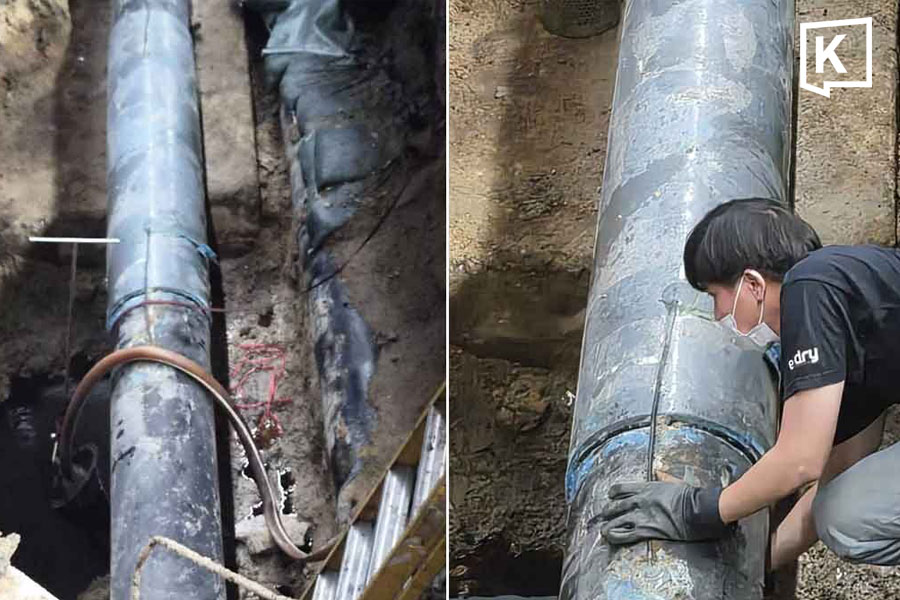
BANGKOK — 17 September 2026, Thai officials have found oil seeping from a pipeline beneath an elevated section of Rama 3 Road and ordered the companies responsible for the system to repair it, test the full 32-kilometre line and replace or reroute high-risk sections.
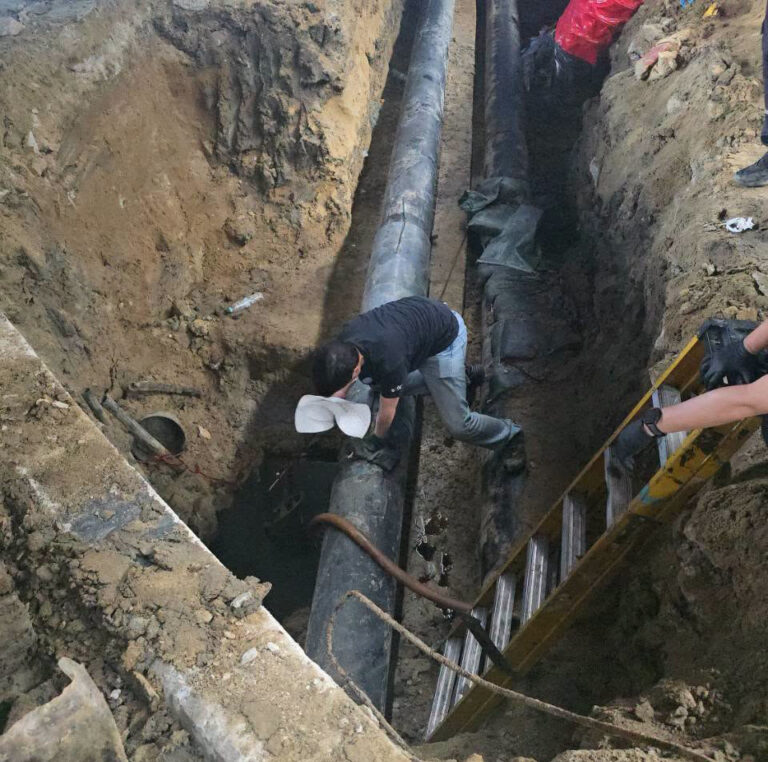
Thitiphat Chotdechachainant, secretary to the energy minister, said Wednesday that the leak was identified after officials searched for the source of oil contamination in drains and nearby areas around Chuea Phloeng Road, beneath the Rama 3 overpass.
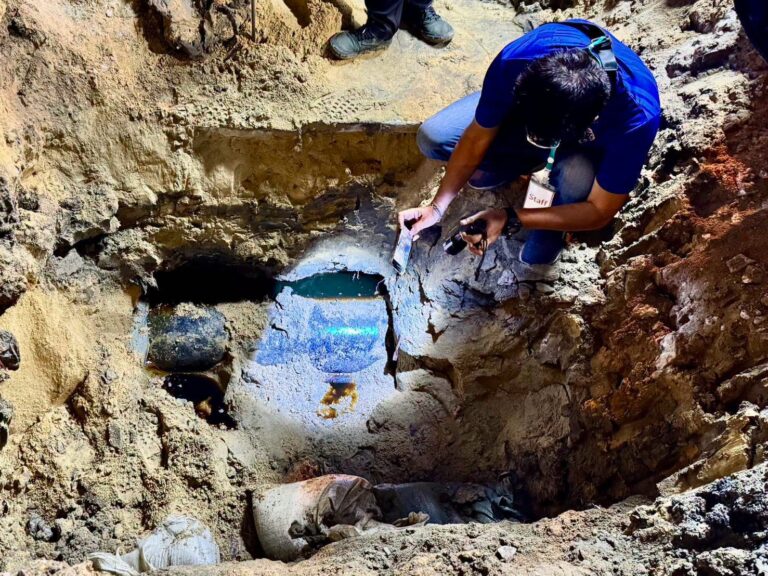
Earlier excavation work found an underground cavity and oil-contaminated water in an old drainage system. Officials then widened their inspection area to trace the source of the leak. The inspection found oil seeping from an oil pipeline along Rama 3 Road, Thitiphat said.
BPT and Bangchak to take responsibility
BAFS Pipeline Transport Co. Ltd., or BPT, holds the licence for the pipeline, while Bangchak Fuel Pipeline and Logistics Co. Ltd., or BFPL — part of the Bangchak Group — operates the system.
Thitiphat said both companies must take full responsibility for damage caused by the leak and comply with orders from the Department of Energy Business to address the problem and prevent a recurrence.
Repair the damaged pipeline
The department has ordered the operators to quickly locate and repair the damaged or defective section of pipeline. The pipeline owner must also submit all maintenance and repair records to the department, which will use them to help determine the cause and assess risks in the system.
Inspect the entire 32-kilometre line
Once repairs are completed, the companies must conduct a pigging test — an internal inspection of the pipeline — along the approximately 32-kilometre route to detect further leaks or other abnormalities.
Testing must stop immediately if inspectors find another leak or irregularity, so the affected section can be examined and repaired before work resumes.
Replace and reroute pipelines in high-risk areas
The companies must also draw up plans to replace damaged sections and reroute pipelines in areas considered high-risk, particularly where the line runs beneath bridge piers or other structures, officials said.
KioskNews shows a cleaned-up reading view extracted from the publisher’s page — the original always lives on their site, not ours.