The 10 Greatest American Epic Movies, Ranked

William likes watching movies and writing about those movies. Anything else is minutae.
Sign in to your Collider account
America is a country of epic proportions. It may be only the fourth largest and relatively young in comparison to other countries, but there's no doubting its overwhelming presence, for both better and worse. That presence is what informs many of the most epic films produced by American studios. Epics are a major part of America's cinematic history, and they cover everything from its history to biblical events to adventures in galaxies far, far away.
The greatest American epics, across all the major genres, tell their stories on the largest scale possible without losing sight of their characters or the emotional stakes. These movies elevate their genres to their highest levels and represent filmmaking at its zenith. As with everything in America, bigger doesn't always mean greater, but when it comes to these ten American epic movies, it absolutely does.
10 'Sinners' (2025)

Horror is seemingly the genre that crosses over into the epic space the least. Perhaps it's because fear and terror work better on a more intimate scale, or that studios simply aren't interested in funding the budgets required for epic-sized horror films. Only a few films truly qualify, but the best American horror epic is Ryan Coogler's southern-fried 1930s vampire film Sinners. With a story steeped in history and music, and featuring plenty of bloodsucking monsters, it's an epic film that uses horror to tell a personal story of cultural identity.
Michael B. Jordan plays the criminal twins Smoke and Stack, who return to their hometown in Mississippi to open a juke joint for the Black community. The inaugural night of music and celebration is cut short when the Irish vampire Remmick (Jack O'Connell) comes knocking, and blood starts to spill at an alarming rate. The horror elements of Sinners don't truly take over until about halfway through the film, which is an epic crime story until the fangs come out. Utilizing IMAX for the film's most major set pieces, including its showstopping musical number and bloody fight scenes, there's an awe-inspiring scale to what Coogler and his team accomplish without comprising the genre elements.
9 'Titanic' (1997)

Disaster epics have gone through multiple rounds of popularity in America. Producers like Irwin Allen set the template in the '70s with large-scale films featuring all-star casts like The Poseidon Adventure and The Towering Inferno. There was a brief revival in the '90s with epic movies, and they've continued into the 21st century. They're often very dumb fun, but the best of the disaster epics is the one that elevates it, while occasionally also being a bit of dumb fun: Titanic.
Made on the only scale that director James Cameron knows, it's a sweeping fictional romance wrapped in an epic historical disaster. While the romance between Leonardo DiCaprio's Jack and Kate Winslet's Rose isn't as engaging as the real-life characters and the events of the disaster itself, it does give Cameron a more emotional focal point for his depiction. The technical aspects, from the visual effects to the production and costume design, are all immaculate, and once the film gets into the disaster itself, it's a truly harrowing spectacle.
8 'Ben-Hur' (1959)

Biblical and religious epics were once the most prestigious kind of epic in Hollywood. Films like The Ten Commandments and The Greatest Story Ever Told gave suitably epic treatment to their respective stories, and while they haven't had the same kind of comeback as their disaster counterparts, their legacy has continued on television and in more faith-based productions. Those films don't come close to the grandeur of their predecessors, but when you compare almost any modern film to something like Ben-Hur, it's going to look pretty pale.
William Wyler's grandiose film is best known for its iconic chariot race sequence, but the entire production is epic. Based on the novel by Lew Wallace, the film follows the titular fictional character (Charlton Heston), a Jewish prince who becomes a prisoner of Rome and then a charioteer, his life intersecting with Christ in pivotal moments. A massive production, the chariot race itself was its own production. The sequence helped cement Ben-Hur's place in cinema history, and decades later it remains a standard-bearer for religious epics.
7 'Heat' (1995)

Epic action movies in America generally fall into a few specific categories. There are the sword-and-sandal epics adjacent to the biblical and historical epics. There are war movies heavy with combat sequences. And then there are superhero movies along with everything else directed by James Cameron. The outlier to these is Michael Mann's magnum opus Heat, his sprawling urban crime drama and heist thriller.
Starring Al Pacino and Robert De Niro as a cop and robber on a collision course with each other, the film's meticulous procedural plot is punctuated by blistering action scenes. De Niro's career criminal Vincent leads a tight-knit crew of thieves who have a far more militaristic approach to robberies. The central heist sequence and the subsequent shootout that follows it are still a high point for the genre and Mann's career, both of which are no small feats. Heat is simultaneously taut and expansive, filling its Los Angeles sprawl with characters living on a razor's edge, ready to choose violence at any given moment.
6 'Malcolm X' (1992)

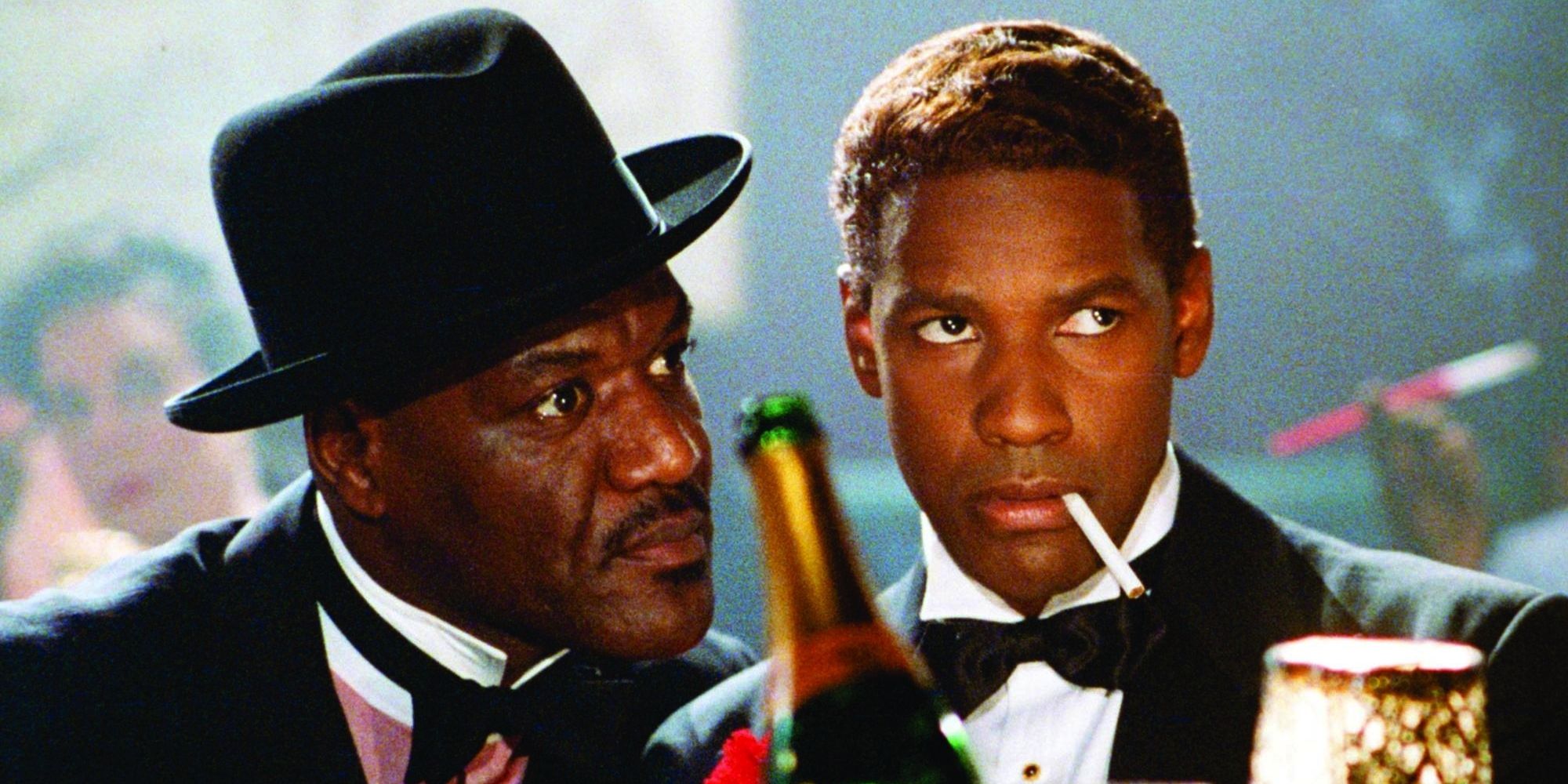
The epic format lends itself to biopics, which attempt to encapsulate the entire lives of their subjects, often spanning decades of time. That's the approach of Spike Lee's sweeping biographical film Malcolm X, chronicling the life of the titular civil rights activist from his criminal past through his imprisonment and religious rebirth to his legacy as an activist. It's a complicated and complex portrait of a complicated and complex man anchored by the greatest performance by one of the greatest actors of his generation.
As Malcolm, Denzel Washington gives a powerful portrayal that doesn't sand any of the edges off of the subject, the same as the film itself. Lee's vibrant style is all over the film, bringing the same passion to the visuals that Washington does to his performance. Washington was unfortunately denied the Academy Award for his performance, which wrongly went to Al Pacino for Scent of a Woman in recognition of his entire career. Despite that massive oversight, the legacy of Malcolm X has endured. It's the greatest collaboration between Lee and Washington, one of the greatest films of the 1990s, and a biopic of epic proportions.
5 'There Will Be Blood' (2007)
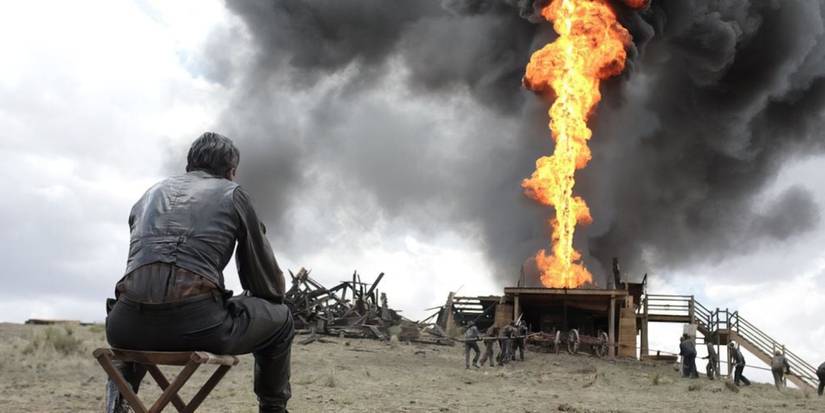
As a genre, Westerns also lend themselves to the epic treatment, just in visual terms alone. The grand landscapes and vast vistas of the American West are deserving of the largest scale possible. While films like The Searchers and Dances With Wolves engage with the genre's classical elements, some epics subvert them, like Sam Peckinpah's The Wild Bunch and Paul Thomas Anderson's There Will Be Blood. The latter offers a cynical vision of the pioneer spirit through the character of a ruthless oilman.
Daniel Day-Lewis won his second Oscar for his portrayal of Daniel Plainview, whose already corroded soul dissolves over the course of the film as he expands his oil empire while poisoning everyone and everything around him. There Will Be Blood is a bleak portrait of the American frontier and the people who developed it. Its epic scope encapsulates the twisted foundations of religion and wealth on which America was built, and the sometimes violent conflict that arises between the two.
4 'The Empire Strikes Back' (1980)

The epic blockbuster sequel by which all others are measured. As the second installment of George Lucas' essential epic space fantasy franchise, The Empire Strikes Back expands on his galaxy far, far away by deepening its characters with a more emotionally complex story. The screenplay by Leigh Brackett and Lawrence Kasdan has an ease in its dialogue, and director Irvin Kershner's skills as an actors' director result in more natural performances that make the emotional stakes of the story that much higher.
The Empire Strikes Back is often noted for being a significantly darker film than its predecessor, a note that many filmmakers have taken to heart when crafting their own sequels. The darker elements are necessary for a story that adds emotional complications to what was initially introduced as a simple tale of good versus evil. Turning the literally faceless villain into the parent of the hero in one of the most iconic plot twists in film history, The Empire Strikes Back proved the best way to follow up an epic crowd-pleasing blockbuster was to give audiences an epic downer they didn't think they wanted.
Collider Exclusive · Star Wars Quiz
Which Force User
Are You?
Light Side · Dark Side · Or Somewhere Between
The Force is not a binary. It is a spectrum — from the serene halls of the Jedi Temple to the shadowed corridors of Sith space. Ten questions will reveal where you truly fall. The Force has always known. Now you will too.
🔵Jedi Master
🟡Padawan
🔴Sith Lord
⚫Inquisitor
⚪Grey Jedi
01
What is the Force to you? Your relationship with the Force defines everything else.
02
When you feel strong emotions — anger, grief, love — what do you do? The Jedi suppress. The Sith feed. Others choose differently.
03
The Jedi Council gives you an order you disagree with. You: How you handle authority reveals your alignment.
04
You are offered forbidden knowledge that could give you enormous power. The cost is crossing a moral line. You: The dark side's pull is never more than a choice away.
05
Your approach to training and learning is: A student's habits become a master's character.
06
In a duel, your lightsaber fighting style reflects: Combat is the purest expression of a Force user's philosophy.
07
A defeated enemy lies at your feet, powerless. You: Mercy — or its absence — is the truest test of alignment.
08
The Jedi Code forbids attachment. Your honest view on love and bonds: The source of the greatest falls in the galaxy.
09
Why do you use the Force at all? What's the point? Purpose is the difference between a knight and a weapon.
10
At the final moment — light side or dark side pulling at you — what wins? In the end, every Force user faces this moment. What does yours look like?
Your Alignment Has Been Determined Your Place in the Force
The scores below reveal how the Force sees you. Your highest number is your true alignment. Read on to understand what that means — and what it will cost you.
🔵 Jedi Master
🟡 Padawan
🔴 Sith Lord
⚫ Inquisitor
⚪ Grey Jedi
Disciplined, compassionate, and deeply attuned to the living Force, you have walked the path long enough to understand its demands — and accept them. You lead not through authority alone, but through example. You have felt the pull of the dark side and chosen otherwise, every time. That is not certainty. That is courage.
You are earnest, powerful, and brimming with potential — and you know it, which is both your greatest asset and your most dangerous flaw. You act before you think, trust your gut over your training, and sometimes confuse impatience for bravery. The Masters see something in you, though. The question isn't whether you have what it takes — it's whether you'll be patient enough to find out.
You are not simply dangerous — you are certain, and that is worse. You have decided what the galaxy needs, and you have decided you are the one to deliver it. Your power is genuine and formidable, earned through sacrifice that would have broken lesser beings. But examine your victories carefully. Every Sith believed their cause was righteous. The dark side's cruelest trick is that it agrees with you.
You were forged in fire and reshaped by those who found you at your lowest. You serve, because service gave you structure when you had none. Your allegiance is not to an ideology — it is to survival and to the master who gave you purpose. But there is something buried beneath the conditioning. The Jedi you hunt? You recognize them. Because you remember what it felt like before the choice was taken from you.
You have looked at the Jedi Code and the Sith Code and found both of them incomplete. You walk the line not out of indecision but out of conviction — you genuinely believe both extremes miss something essential. The Jedi don't fully trust you. The Sith think you're wasting your potential. They're both partially right. But so are you.
3 'Schindler's List' (1993)
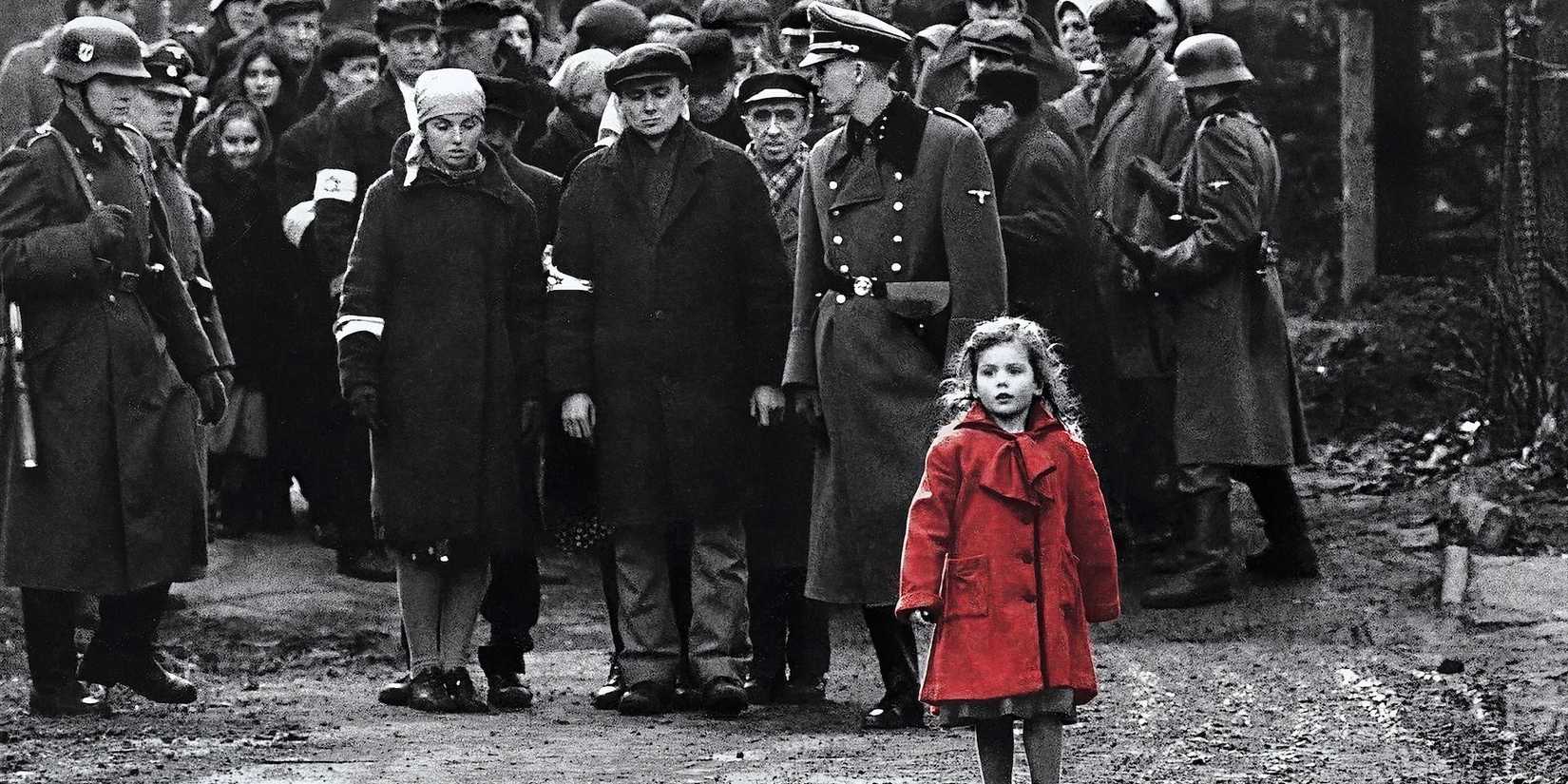
A historical biopic and war epic all in one devastatingly emotional film, Steven Spielberg's Schindler's List was recognized as the blockbuster director's full ascendance to prestige filmmaker. Though it certainly isn't a flawless representation of history and has been criticized for its gentle savior narrative, it is still a compelling and necessary film meant to combat historical denialism. The film is tragically still just as necessary now in the current political landscape, and its power hasn't been diluted.
The story of Oskar Schindler (Liam Neeson), who saved the lives of 1,200 Jews during the Holocaust by employing them in his factories, was one that Spielberg had shepherded for years. He had offered it to several other directors, including Martin Scorsese, before deciding to take it on himself after seeing the rise of neo-Nazism on the news. His unique skills for framing and staging set pieces as a filmmaker make him unusually suited to depicting incredibly harrowing events with maximum emotional impact.
2 '2001: A Space Odyssey' (1968)

Many of Stanley Kubrick's films qualify as epics, from the historical Spartacus and Barry Lyndon to his Vietnam War film Full Metal Jacket. His greatest epic, the sci-fi masterpiece 2001: A Space Odyssey, is also his most influential, inspiring many of the filmmakers on this list and changing the trajectory of cinematic science fiction forever. It's a cosmic epic that explores the dark reaches of outer space and humanity's place within it.
Developed with author Arthur C. Clarke, the film tracks human history alongside alien intervention, in the form of a monolith, from its prehistoric beginnings to a future where space travel has been commercialized. The astounding effects brought outer space to audiences with a fidelity that had never been seen in films before, and which has rarely been bettered since. The prescient depictions of space travel and artificial intelligence, along with the surreal climax, make 2001: A Space Odyssey an overwhelming experience.
1 'The Godfather' (1971)
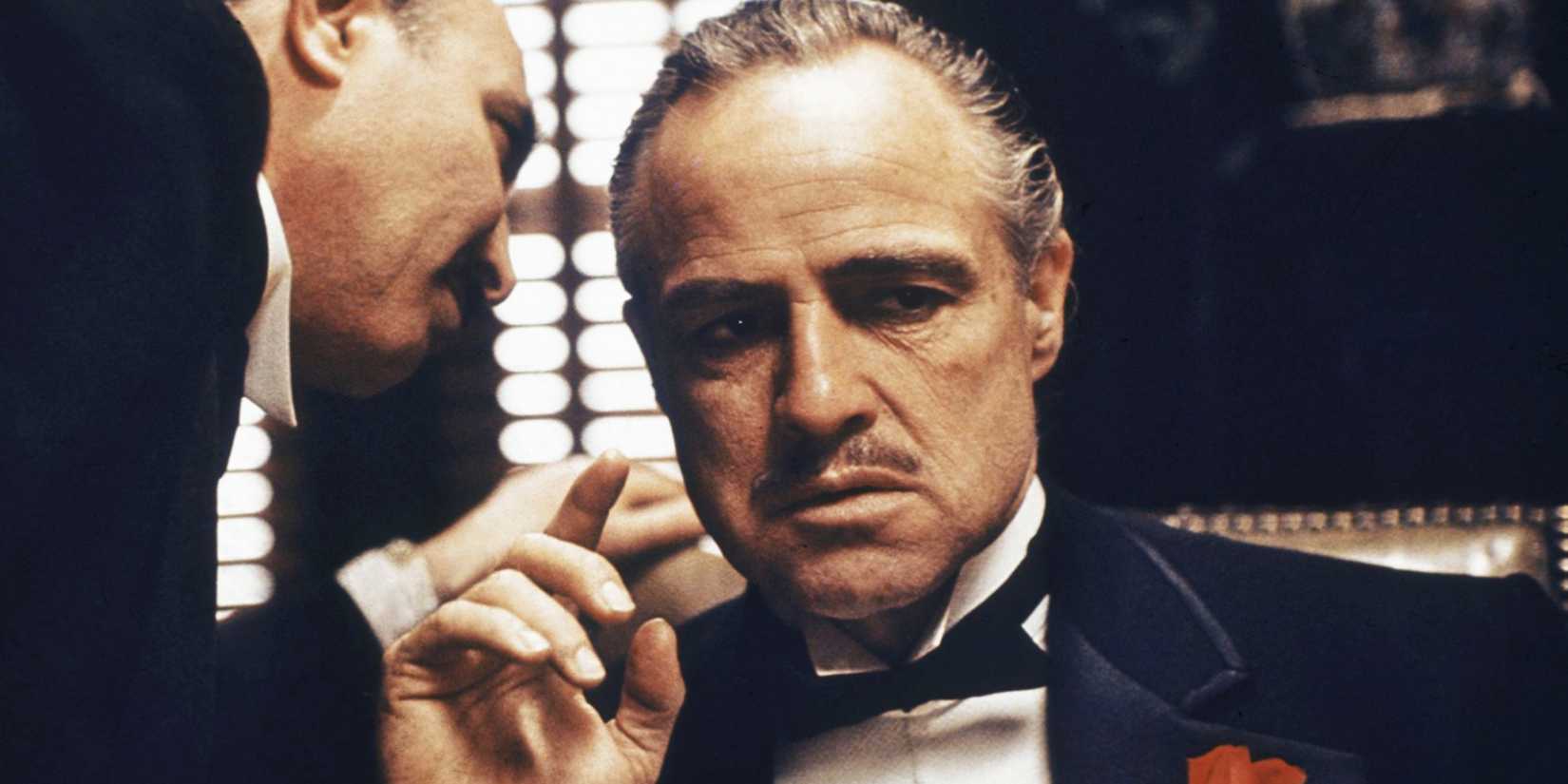
The greatest American epic, and perhaps the greatest American film ever made, is Francis Ford Coppola's The Godfather, a perfectly made crime saga that offers a compelling portrait of a criminal family. Adapting and improving upon the novel by Mario Puzo, the film chronicles the Corleone family as an American family whose power is defined by their ruthless capacity for violence. Every member of the family is perfectly cast, from Marlon Brando as Don Vito Corleone to Al Pacino as his youngest son, Michael.
Michael is the central tragic figure of the crime saga, transforming from a war hero who wants nothing to do with his family's legacy to the ruthless head of their criminal empire. His moral corruption and criminal rise form the narrative spine of the film, which is a patient dissection of the complex world of organized crime depicted at its highest levels of power. Paired with its first sequel, The Godfather is a crime saga that has no cinematic equal. It's the epic American cinematic equivalence of a Shakespearean tragedy.
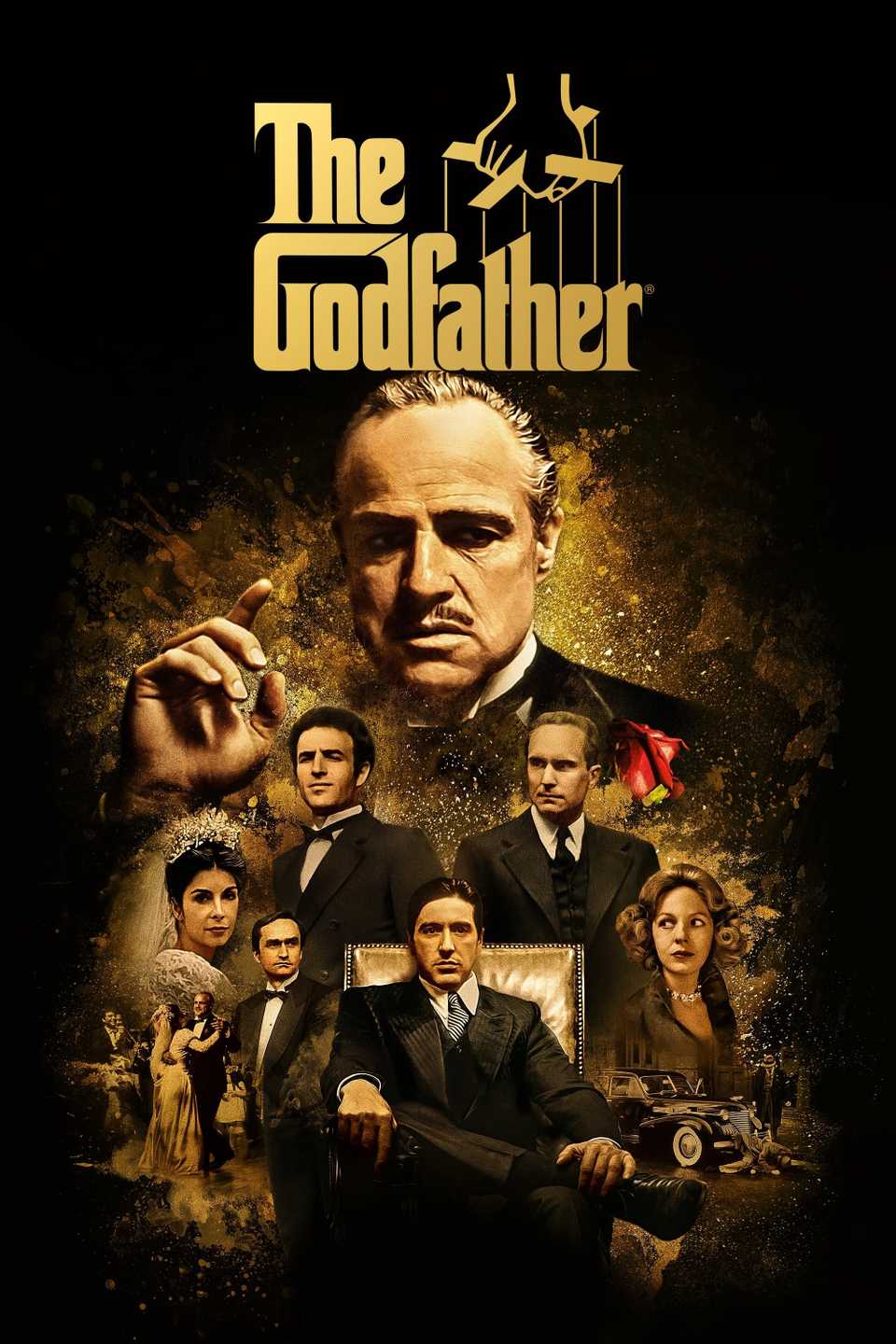
The Godfather
- Release Date
- March 24, 1972
- Cast
- Marlon Brando, Al Pacino, James Caan, Robert Duvall, Richard S. Castellano, Diane Keaton, Talia Shire, Gianni Russo, Sterling Hayden, John Marley, Richard Conte, Al Lettieri, Abe Vigoda, Rudy Bond, Al Martino, Morgana King, Lenny Montana, John Martino, Salvatore Corsitto, Richard Bright, Alex Rocco, Tony Giorgio, Vito Scotti, Tere Livrano
- Runtime
- 175 minutes
- Director
- Francis Ford Coppola
- Writers
- Mario Puzo, Francis Ford Coppola
KioskNews shows a cleaned-up reading view extracted from the publisher’s page — the original always lives on their site, not ours.