Maharashtra is checking your smile. Tukaram Mundhe’s FDA may knock soon
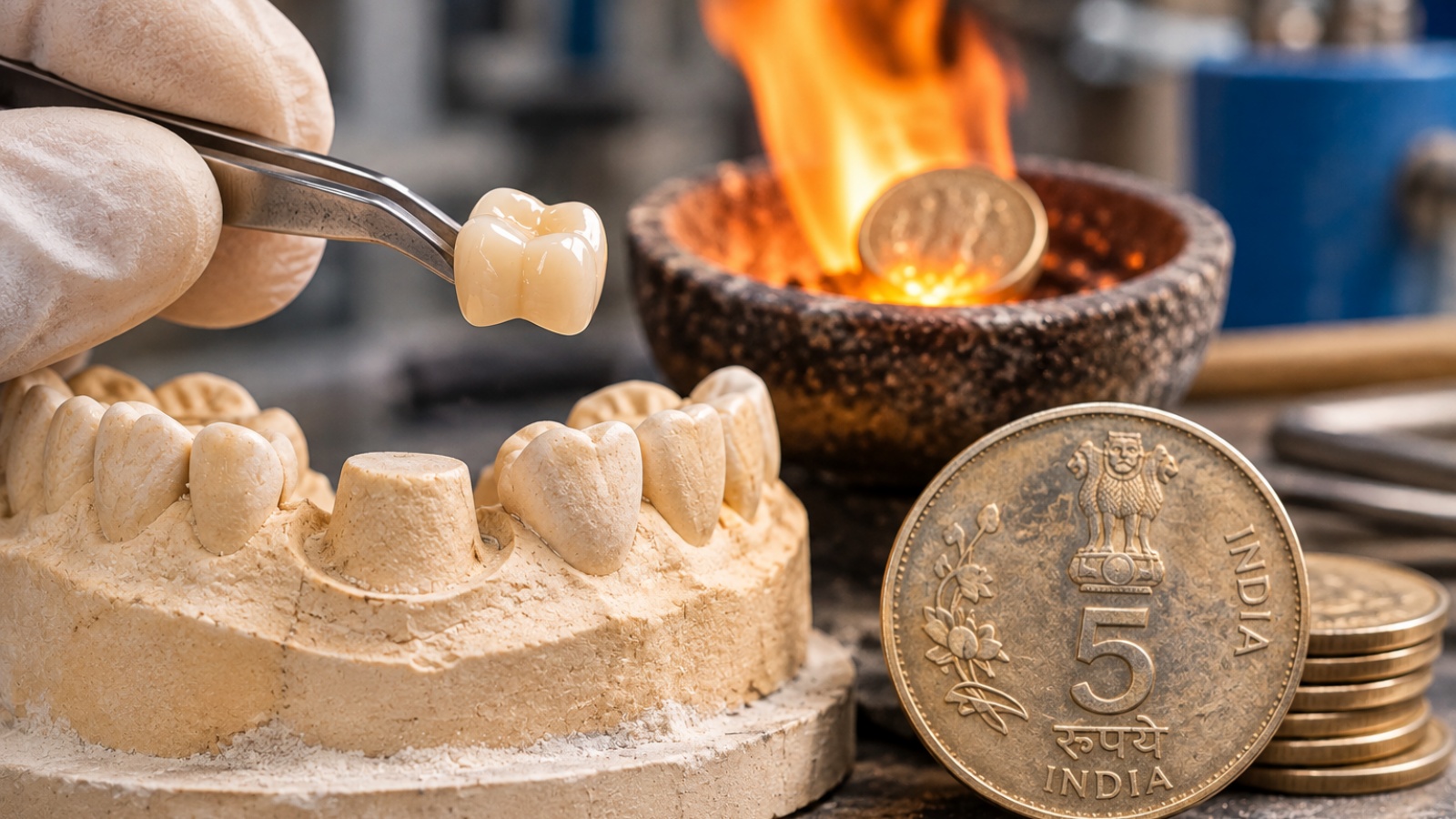
The Maharashtra government has tightened rules involving dental technicians, laboratories, manufacturers and suppliers after allegations that dental technicians were melting Re 5 coins to make dental crowns and using substandard material. Under the new government resolution, dental technicians in Maharashtra will no longer be allowed to accept orders directly from patients to manufacture crowns, bridges, dentures and other dental appliances. It also empowers Tukaram Mundhe-led Food and Drug Administration (FDA) to inspect dental labs and other establishments, and collect samples.
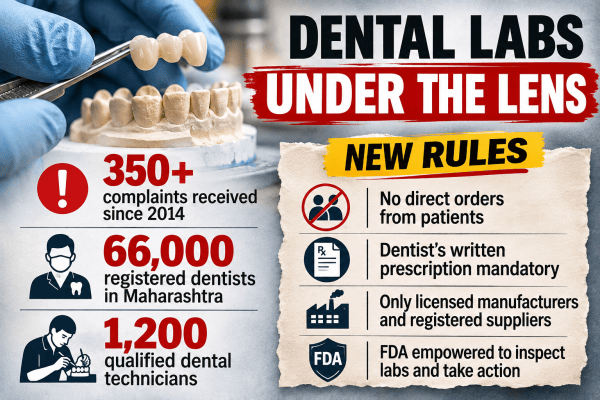
The move follows the Medical Education Department receiving more than 350 complaints over the past 12 years, flagging concerns about unqualified persons undertaking dental laboratory work and using low-quality materials to make dental crowns, bringing the ecosystem under their scrutiny. In some instances, officials alleged that technicians were using melted Re 5 coins to manufacture dental crowns.
What does the GR do?
Issued by the Medical Education Department on November 6, the government resolution (GR) seeks to regulate dental technicians, laboratories, manufacturers and suppliers. It also authorises Tukaram Mundhe-led Food and Drug Administration (FDA) inspectors to inspect laboratories, sellers, dental establishments and collect samples.
Flagging instances of laboratories accepting work directly from patients without instructions from the dentists, using inferior or unsuitable materials, and failing to follow hygiene and sterilisation protocols, the GR states that such practices can lead to improperly made appliances, injuries to oral tissues, infections, and allergic reactions.
The regulatory gap is reflected in the numbers.
 (Credit: Made using ChatGPT)
Maharashtra has approximately 66,000 registered dentists, but only around 1,200 qualified dental technicians, Director of Medical Education and Research Dr Pallavi Saple said.
Medical Education Minister Hasan Mushrif said the guidelines aim to ensure patients receive standardised dental materials.
“It is for the betterment of patients. They should not get fraudulent material but standardised material. Dentists also have to be careful and ensure that they provide patients with standard material,” he said.
Story continues below this ad
Dentist’s prescription compulsory
Under the new rule, a dentist’s written or electronic prescription for artificial crowns, dentures, bridges, implant-supported prosthetics, orthodontic appliances and other laboratory-made dental devices will be mandatory. It must mention the dentist’s name and registration number, the patient’s reference number, the type of appliance, material to be used, shade and other technical specifications.
—ADD GFX HERE—
Laboratories and manufacturers will have to meet prescribed standards for qualifications, materials, hygiene and quality control.
Technicians have been barred from taking orders directly from patients.
The guidelines also incorporate the National Dental Commission’s October 13, 2026, directions that dental laboratory work must be assigned only to technicians with recognised qualifications and valid registration with a state dental council.
Story continues below this ad
Licences, purchase records mandatory
The GR makes it mandatory for manufacturers of dental medical devices covered under the Medical Devices Rules, 2017, to obtain the applicable manufacturing licence before commencing production. These include artificial teeth, denture base resin, metal and ceramic crowns, bridges, dental alloys, cement, impression materials and dental implants.
The order also directs dentists to purchase materials only from licensed manufacturers or importers and registered sellers.
Saple said dentists will now have to maintain details such as batch or lot numbers and supplier information in patients’ treatment records. “This is important because if a product is found defective or causes an adverse reaction, its source can be traced and the device recalled,” she said.
Dental laboratories will have to maintain records of raw materials, prescriptions, manufacturing processes, quality checks, sterilisation, dispatches and complaints. Serious events involving dental devices must be reported to the Indian Pharmacopoeia Commission’s Materiovigilance Programme of India and the FDA.
Story continues below this ad
FDA inspections and action
The GR authorises FDA drug inspectors to inspect dental laboratories, sellers and dental establishments under the Drugs and Cosmetics Act, 1940, and the Medical Devices Rules, 2017, and collect samples.
Manufacturing or selling medical devices without the requisite licence, or dealing in misbranded, adulterated or spurious devices, can invite legal action under the Act. The Maharashtra State Dental Council can also initiate disciplinary proceedings against registered dentists and dental technicians for violating the guidelines.
An FDA official said the department already monitored the manufacture, sale and distribution of medical devices.
KioskNews shows a cleaned-up reading view extracted from the publisher’s page — the original always lives on their site, not ours.