France wants rare earths from Malaysia. What will it take to get them?
Malaysia’s rare earth deposits are drawing competing interest from France, the United States and China, but analysts say its ability to supply them hinges on overcoming processing bottlenecks that sustain Beijing’s dominance of the sector.
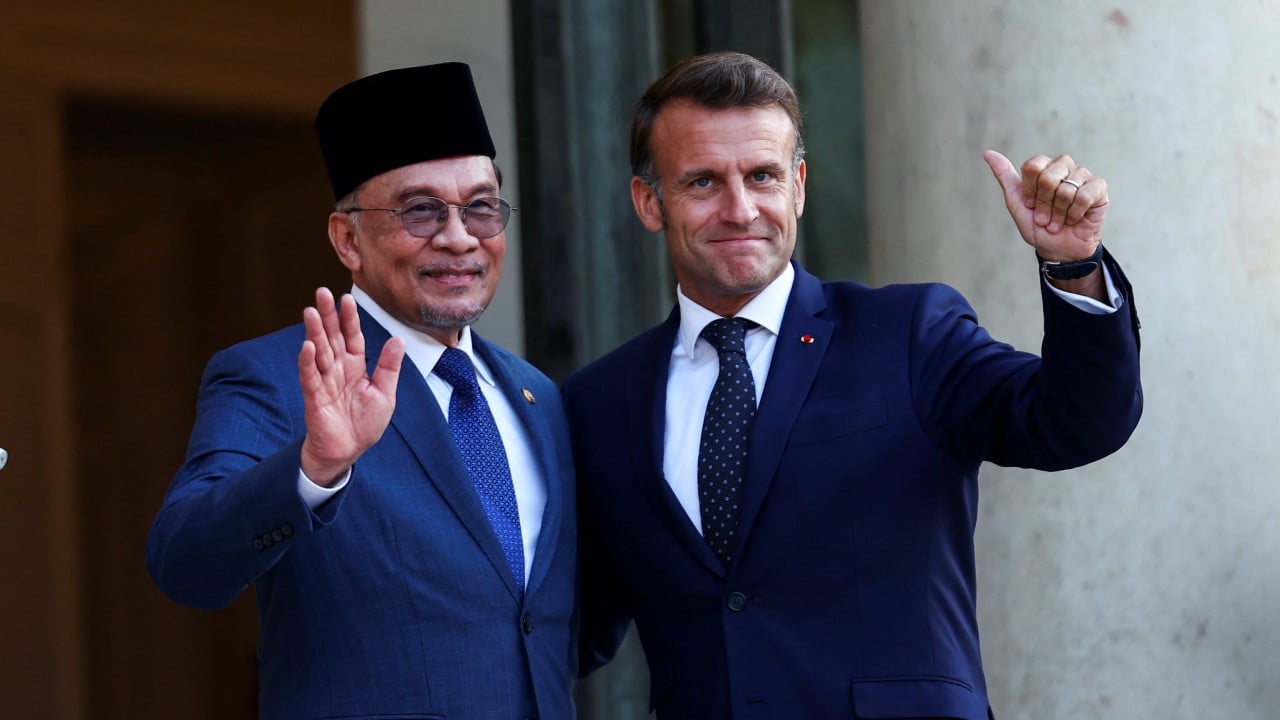
It comes as French President Emmanuel Macron is on a two-day visit to the Southeast Asian nation until Tuesday.
“In Malaysia, I am coming in particular to diversify our supplies of rare earths,” he wrote in a social media post on Saturday. “Our jobs and the future of our regions are defended in France, but also thousands of kilometres from home.”
Macron’s visit – his first to Malaysia since taking office in 2017 – would include talks on Tuesday with Prime Minister Anwar Ibrahim to elevate bilateral ties to a strategic partnership, Malaysia’s foreign ministry said. Agreements covering critical minerals, defence and energy transition are set to be signed.
Malaysia’s government estimates its inferred rare earth resources at 16.1 million tonnes. Detailed surveys across 103.9 sq km (40 square miles) in nine states identified 274,144 tonnes of measured resources, the natural resources ministry told parliament in January.
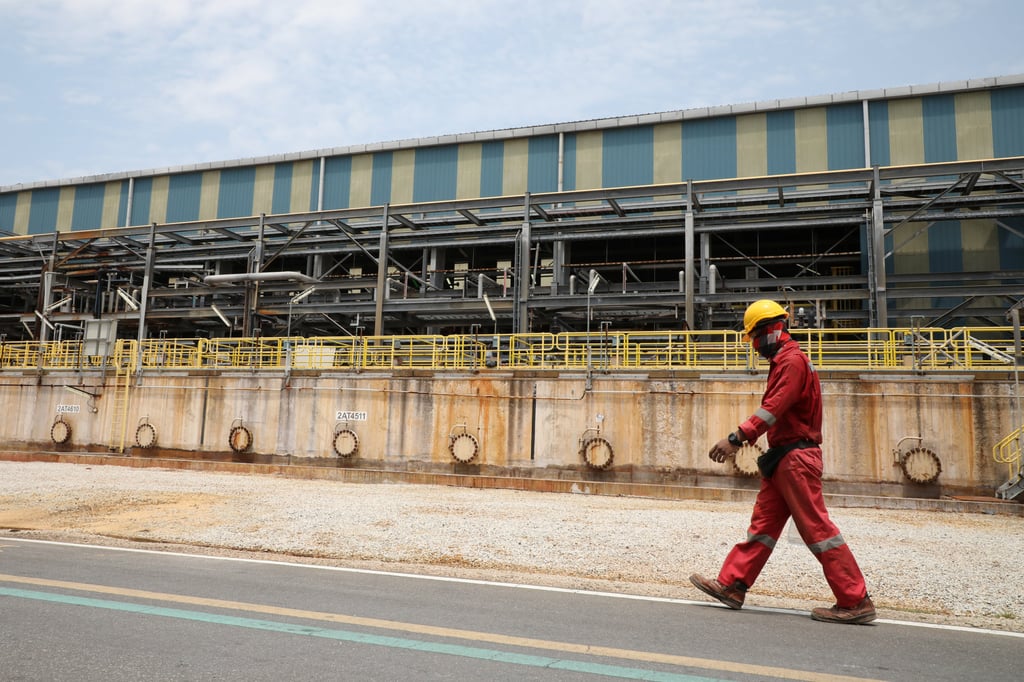
Rare earths are a group of elements used in electric vehicles, wind turbines, electronics and defence equipment, including to make powerful magnets that enable smaller, more efficient motors.
Malaysia held the potential to be a major source of so-called heavy rare earths such as yttrium, used in semiconductor manufacturing and the aerospace industry, said Jason Bedford, a visiting senior research fellow at the National University of Singapore’s East Asian Institute.
“However, securing Malaysian feedstock is only half the solution,” he said. “China continues to dominate the specialised separation of elements such as yttrium, samarium and lutetium, alongside ultra-high-purity refining and oxide-to-metal conversion.”
China accounted for 85 per cent of global rare earth refining last year, according to the International Energy Agency, which noted that Chinese export controls had forced some carmakers to cut or suspend production.
“France could secure substantial quantities of Malaysian rare earths and still remain dependent on Chinese processing,” Bedford said. “That is the fundamental problem it needs to address.”
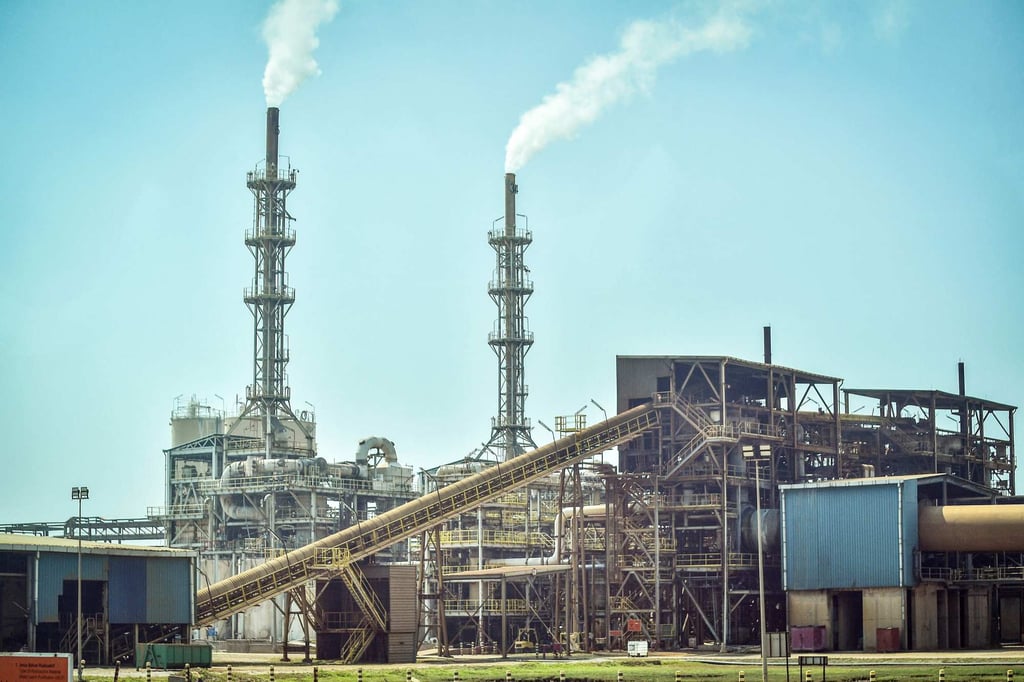
Malaysia already hosts a major rare earth processing plant in Pahang operated by Australia’s Lynas, but it currently processes material mined in Australia rather than Malaysia’s own deposits.
China has secured a foothold in Malaysian production through MCRE Resources, whose clay mine relies on Chinese technical expertise and supplies a Chinese processing partner, according to Bedford.
Washington secured Malaysian commitments on critical mineral exports and investment under an October 2025 trade agreement, but efforts to build US domestic processing capacity have been hit by delays and other setbacks.
In its annual report for 2026, Lynas said that a planned heavy rare earth facility in Texas would no longer go ahead, with US defence funding redirected towards a US$96 million supply agreement. Meanwhile, the chief executive of DTEC, a start-up in Malaysia that is majority owned by US citizens, told Reuters in October that the company had received permission to export Malaysian rare earth material to the United States for research.
“Competition is going to be fiercest for commercially viable ionic clay deposits with attractive dysprosium, terbium and particularly yttrium content,” Bedford said.
Measuring success
France’s involvement predates Macron’s visit, with French rare earth specialist Carester and Malaysian miner Malaco signing a partnership during Anwar’s visit to Paris in July 2025.
French interest could expand Malaysia’s diplomatic room to manoeuvre without requiring it to abandon commercial ties to China, said Asrul Hadi Abdullah Sani, associate vice-president at strategic advisory firm The Asia Group.
“Putrajaya should use access to its rare earths to secure French and wider EU support for developing and localising Malaysia’s rare earth industry across the full supply chain,” Asrul said. “Success should be measured by the strength of the local industry and the expertise, jobs and value retained in Malaysia.”
Syed Ibrahim Syed Noh, Malaysia’s deputy minister of natural resources and environmental sustainability, told parliament in July that a pilot facility to separate rare earths in Gopeng, Perak, was expected to reach annual production capacity of 3,000 tonnes.
03:12
Japan begins world’s first deep-sea trial as China tightens rare earth supplies
A planned mining project from Malaco in Gua Musang, Kelantan, is slated to begin operations in 2028, subject to regulatory and environmental approvals.
Malaysia introduced a moratorium on raw rare earth exports in 2024 to encourage domestic processing. Earlier this month, the trade ministry said exemptions would be limited to research and development and required commitments to develop Malaysian processing facilities within three years of export approval.
Tricia Yeoh, director of the Asian Institute for Policy and Engagement at the University of Nottingham Malaysia, said the French-Malaysian partnership was intended to deepen Malaysia’s technological abilities beyond mining and into separation.
“The idea is to eventually allow for the training and the tech transfer to deliberately take place,” she said. “There should be a tripartite stakeholder relationship taking place … between the federal [government], the state government and the interested party from foreign sources.”
Yeoh added that cooperation needed to ensure “a fair share that’s provided to all parties involved”, including the governments of Malaysian states that had historically felt neglected.
KioskNews shows a cleaned-up reading view extracted from the publisher’s page — the original always lives on their site, not ours.