British entertainment must stop turning a blind eye to sexual predators
The British entertainment industry has long been plagued by famous men who use their celebrity status to prey on vulnerable young women. But lessons have not been learned.
Two disturbing cases this month highlight the need to better protect those at risk and to give victims the confidence to come forward. A celebrity culture that has tolerated, hushed-up and facilitated serial abuse by coveted stars has persisted for far too long.
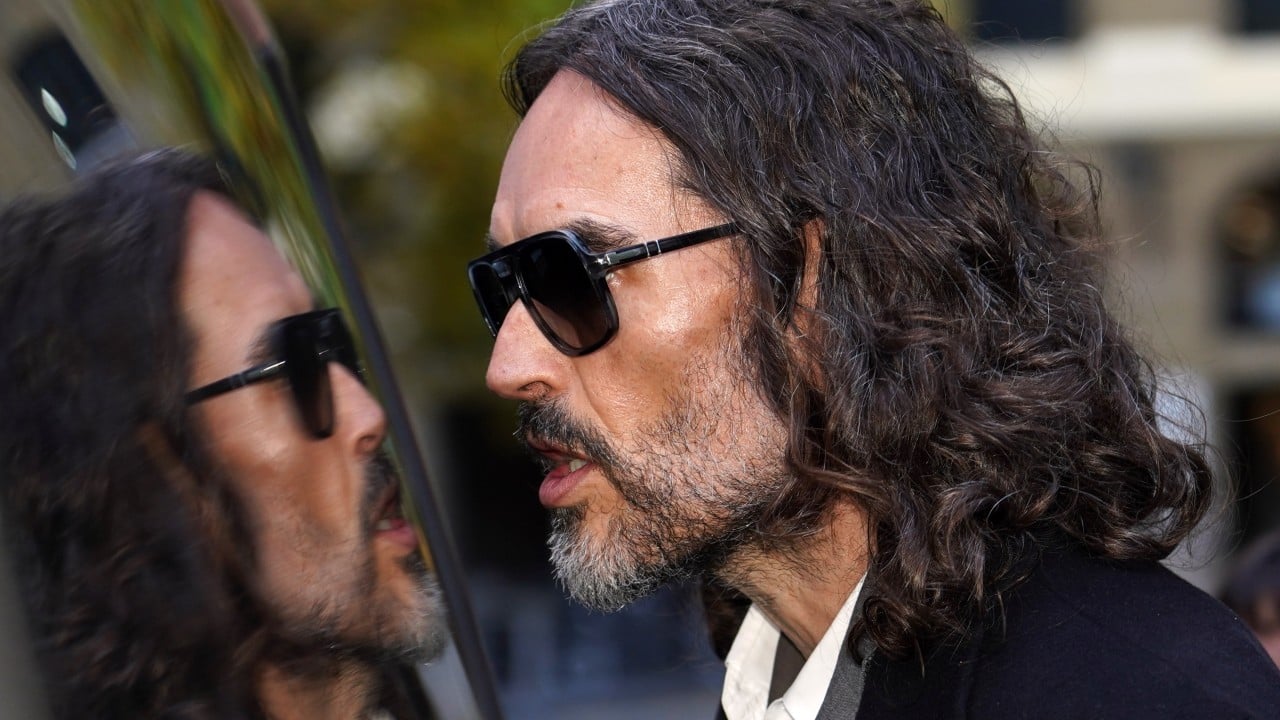
Actor, comedian and TV personality Russell Brand, 51, was jailed for 10 years and six months on November 9 for one rape and three sexual assaults against four women between 2004 and 2009.
Judge Joel Bennathan branded him an arrogant sexual predator who had shown contempt for his victims. The police investigated the allegations after reports by the Sunday Times, The Times and Channel 4’s Dispatches programme.
But there was more to follow. A day after Brand was sentenced, allegations against another prominent public figure were published.
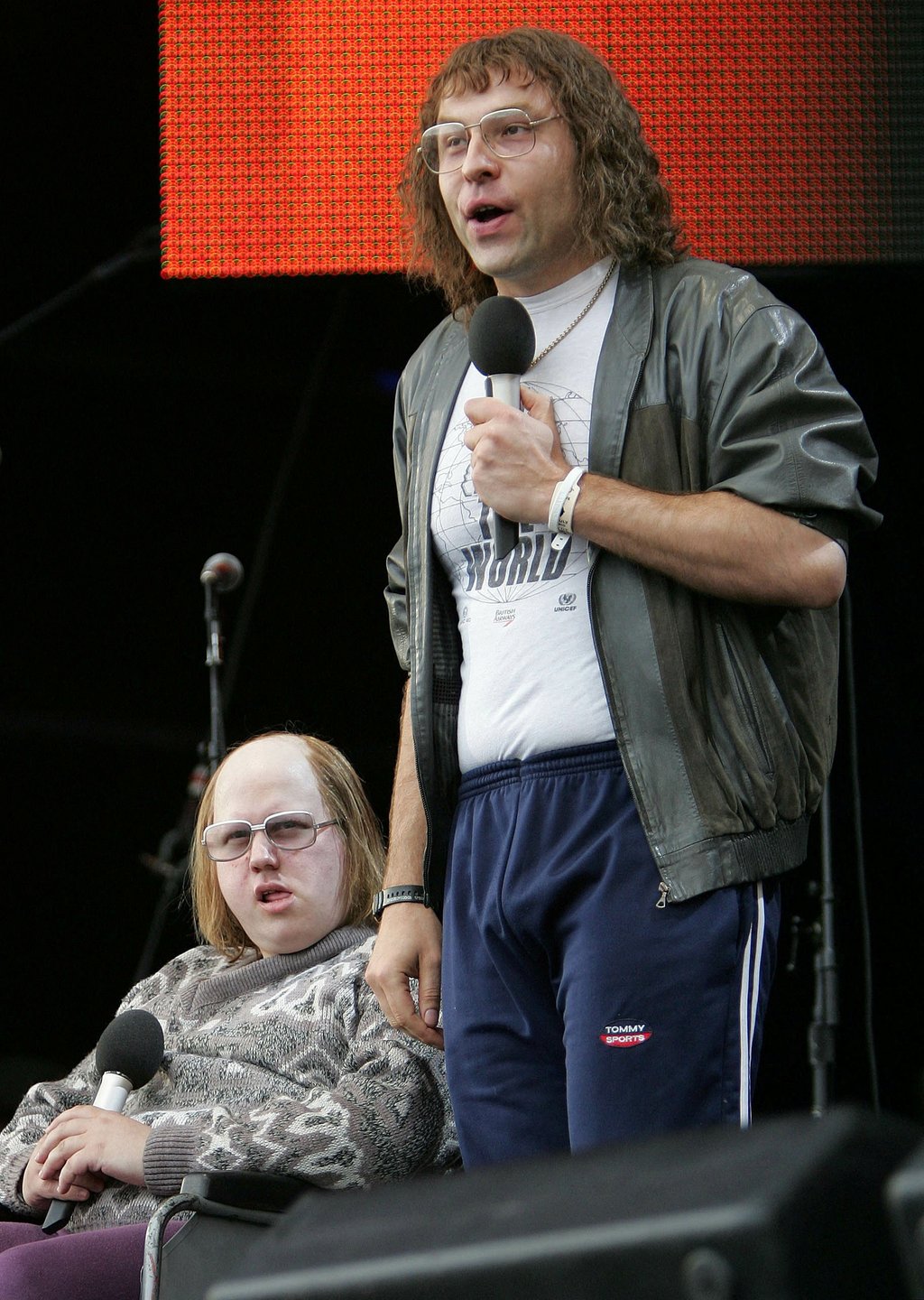
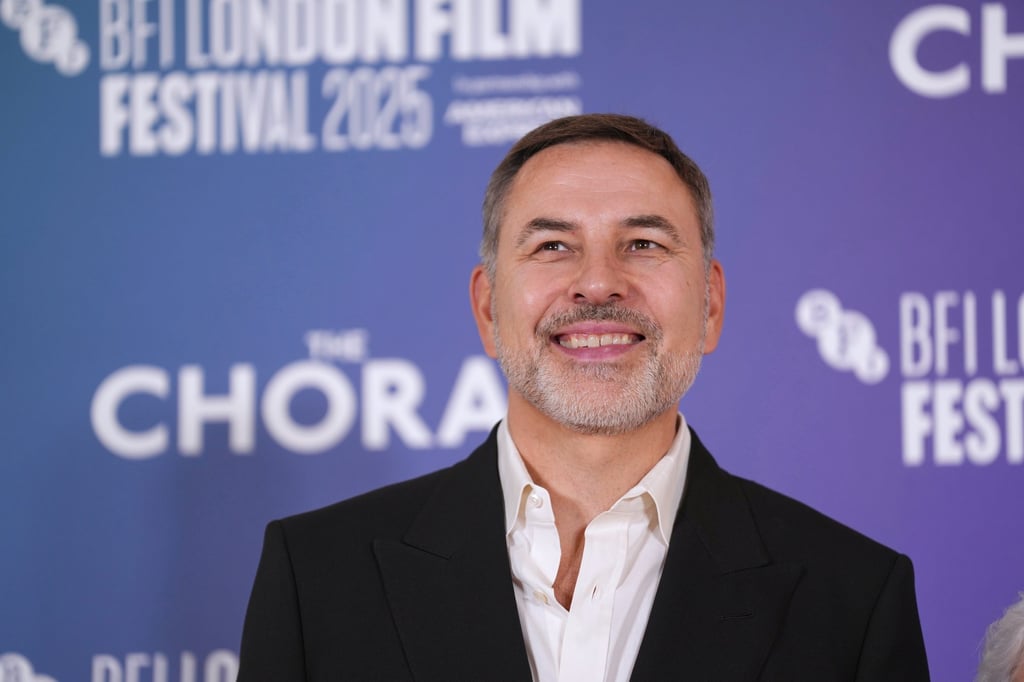
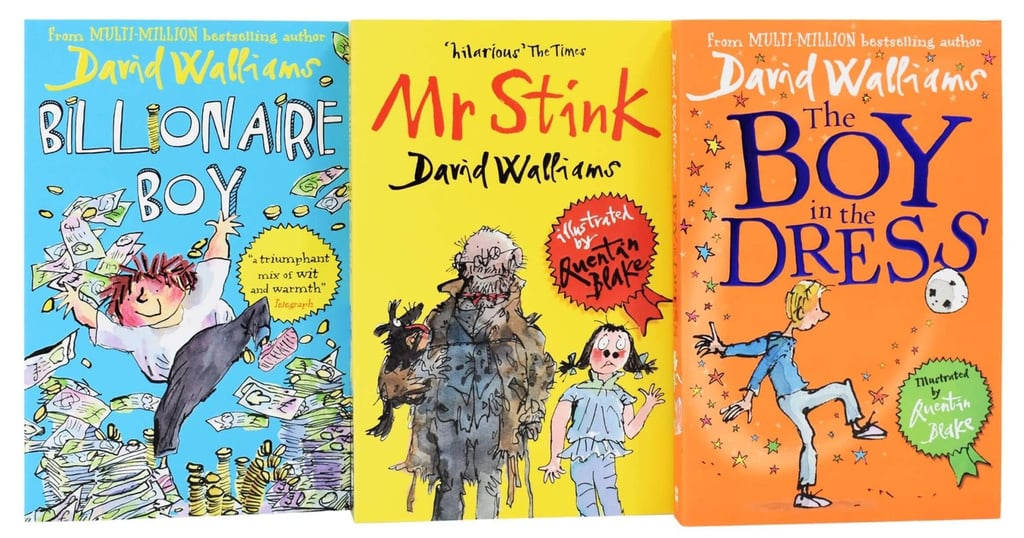
David Walliams, 55, star of hit television shows Little Britain and Britain’s Got Talent, and a bestselling author of children’s books, is alleged to have groomed teenagers and young women for sex over many years. Two of the women were 15 when they first met him. The Metropolitan Police are now investigating.
Walliams denies the allegations made in reports by The Guardian and ITV News. He says he is not a sexual predator, did not break the law and is devastated women he met years ago now express hurt and anger towards him.
His case is exceptional because of the way he attempted to use the legal system to suppress publication of the allegations. Walliams argued that making the accusations public would amount to a breach of his human rights.
The celebrity, referred to only as “PPT” in High Court proceedings, sought an injunction to gag the media companies, possibly indefinitely. This was necessary, his lawyers argued, to prevent him from committing suicide. Publication, the court was told, would breach his right to life under the European Convention on Human Rights.
It was a sensitive case and one in which the court had a difficult decision to make. Justice Matthew Nicklin accepted independent medical evidence that there was a genuine and grave risk of suicide that would be increased if the allegations were published. Walliams had twice tried to kill himself.
But the judge ruled the responsibility to protect Walliams’ life lay with the psychiatric hospital where he is receiving compulsory inpatient treatment and the mental health services, not the media or the court.
The judge was right to place much importance on the public interest in reporting the allegations. Prohibiting publication would have constituted an “exceptionally serious” interference with freedom of expression, he said.
The joint investigation by the media companies began in 2023. They spoke to more than 100 people and over 30 provided first-hand accounts. Key sources were interviewed repeatedly while messages, emails and other documents were scrutinised.
Complex legal and ethical issues were carefully considered by the newsrooms and their lawyers. Walliams was made aware of detailed allegations and given an opportunity to respond. The journalists acted responsibly.
But the freedom of expression applied not only to the media, the judge pointed out. The alleged victims also had a right to tell their story. This is often overlooked.
Justice Nicklin said there was an ongoing public debate about the abuse of power or misconduct by prominent people. “Journalism contributes to such debates through the investigation and reporting of particular facts and experiences,” he added.
“Reporting on an individual case may illuminate the operation of power, enable alleged victims or witnesses to give accounts of their experiences and provide information by which the public and relevant institutions can assess matters of legitimate concern.”
The jailing of Brand and allegations against Walliams have, once again, focused attention on the failure of the entertainment industry to protect victims from abuse.
The “relevant institutions” referred to by the judge need to ensure action is taken. Culture Minister Lisa Nandy is due to meet representatives from the industry this week.
Extending legal restrictions on the use of non-disclosure agreements to silence victims is being considered. There have also been calls for the age of consent to be raised from 16 to 18 to account for the age gap when a much older man is involved.
It is now 15 years since the death of one of Britain’s best-known television personalities, Jimmy Savile, who was later exposed as a serial sex abuser responsible for assaulting hundreds of victims over more than 50 years.
The time for the culture to change and for better protection to be provided is long overdue.
KioskNews shows a cleaned-up reading view extracted from the publisher’s page — the original always lives on their site, not ours.