SUMMER SCORCHER: Weather service sounds El Niño alarm for North-East, including Kruger Park
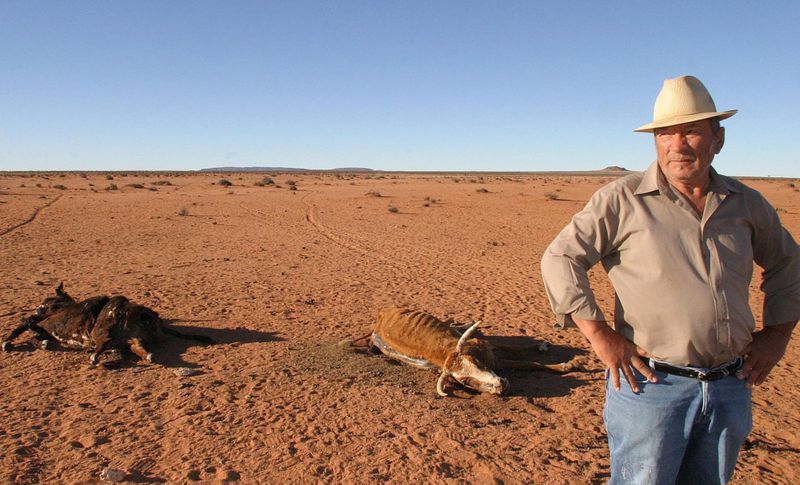
South Africa’s northeast, which includes key farming lands and the flagship Kruger National Park, is forecast to be bear the brunt of the unfolding El Niño on steroids, a flashing red light for the agricultural sector and wildlife.
“The seasonal forecast for November-December-January (NDJ), December-January-February (DJF), and January-February-March (JFM) indicates an increased likelihood of below-normal rainfall across large parts of the summer rainfall region,” the South African Weather Service said in its monthly Seasonal Climate Watch.
“The dry signal is particularly widespread across the interior and the northeastern half of the country, where substantial rainfall is normally received during summer. This outlook is broadly consistent with the typical influence of El Niño over southern Africa.”
This is an ominous forecast for farmers in a region that produces mostly fruit and vegetables, though it’s not all doom and gloom as such crops are grown under irrigation and dam levels are currently brimming.
But temperatures are also expected to be blazing, and evaporation rates and increased water demand could quickly reduce dam levels.
The weather service warned that this was “likely to exacerbate water loss, adding pressure on water-scarce regions over most of the northeastern half of South Africa”.
“Such conditions may also lead to increased dry soils including drought, significantly disrupting water resources by reducing water infiltration, accelerating runoff, as well as obstructing groundwater recharge.”
Nature on the brink
It’s also bad news for the Kruger, with a marked increase in the potential for wild fires and withering drought. El Niño is a natural weather pattern and wildlife worldwide has for time immemorial been subjected to cycles of drought, with populations rebounding after the rains return.
But while still a subject of intense debate among scientists, the strength of El Niño phases has been intensifying alarmingly in recent decades, pointing to the unnatural role of human-stoked climate change from the burning of fossil fuels – and this one is off the charts.
“This year’s El Niño event is likely to be the strongest in 1,000 years if the latest models of its peak prove accurate,” climate scientist Zeke Hausfather said recently in his influential newsletter The Climate Brink.
The scientific spoor for this assertion is based on tree rings going back to 1100 and the chemical signature of coral fossils detected from the annual bands they produce.
A once-in-a-millennial climate event may be looming, and there may be nothing natural about it.
The World Meteorological Organization (WMO) this week released a new seasonal climate outlook warning that the current El Niño event could reach unprecedented levels of intensity.
“The Global Seasonal Climate Update forecasts that sea surface temperatures in the tropical Pacific – the epicentre of El Niño – may rise to 3.8°C above average during November 2026 to January 2027. WMO declares an El Niño when the sea surface temperature anomaly in this region is 0.5°C,” it said.
Contribution to inflation
South Africa at least has low food inflation currently, ample stocks of the staple maize, and decent dam and soil levels, which should take some of the sting out of a scorching summer.
Responsible fiscal policy and a tax revenue boost from the mining industry have also enabled the Treasury to set aside a R10-billion contingency reserve for drought and El Niño response, which was announced in Wednesday’s Medium-Term Budget Policy Statement.
This underscores how seriously the government is taking this El Niño. And this month’s Seasonal Climate Watch was pointedly issued almost a fortnight earlier than usual, which also speaks to the mounting concerns about its impact.
Preparation is vital. A possible summer of discontent looms as we are in uncharted waters. DM
KioskNews shows a cleaned-up reading view extracted from the publisher’s page — the original always lives on their site, not ours.