Pay rent, eat or keep warm? Growing numbers face hard choices as housing benefit gap grows

Do you prioritise paying the rent, putting food on the table or keeping the house warm in winter? In practice, says Laura Braddock, a single mum from Wirral, Merseyside, you always pay the rent first and improvise the rest. “If I’ve got a roof over our head, then everything else I can muddle through.”
The pressing problem for Braddock, 39, is that muddling through is getting harder. The monthly rent for her two-bedroom flat far outstrips the local housing allowance (LHA) she receives – and the gap may widen.
She pays her landlord £550 a month, but receives £425 in housing allowance, leaving her to make up a £125 “rent gap” out of her grocery and heating budgets.
The former shop worker has a range of tried and tested strategies to cope, and to shield her son as far as possible from cost of living pressures. She may pay half the gas bill. She’ll eat cheap pasta and beans – or skip her own meals altogether.
In January, however, these strategies, and the constant juggling with ever tighter budgets, failed. She was forced to go to a food bank for the first time in years to make end meet.
It’s hard, she reflects, and the stress can affect her mental health. “When I’m tired or hungry or whatever, that then has an impact on me, the way I parent. I’ve got no energy sometimes … It’s difficult.”
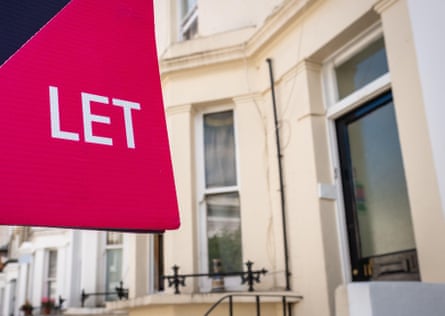
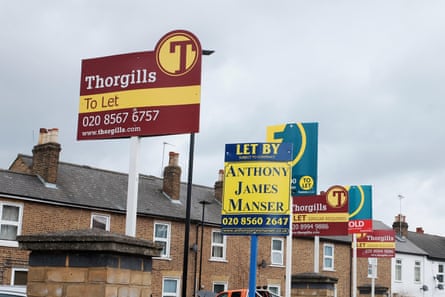
Hundreds of thousands of low-income households are feeling the same pressures, said Trussell, the food bank network. Unless the government links LHA more closely to actual rents, it added, many more will be forced to turn to charity food.
The growing gap between LHA rates and local rents means more than half (62%) of private renters receiving housing support have gone without food and heating in the past six months because they could not afford them, Trussell estimated.
The gap is expected to reach record levels this autumn. According to the Resolution Foundation thinktank, the average difference between rent and LHA faced by a low-income household renting a two-bedroom home in the private sector is £158 a month – rising to as much as £324 a month in parts of London.
Trussell wants the government to relink LHA to the cheapest 30% of local rents. It estimates this would lift 105,000 people out of severe hardship by 2028-29, including 40,000 children. The Resolution Foundation estimates this would cost £2bn a year.
Campaigners will focus on the LHA gap – the consequence of years of austerity and rising private rents – in the run-up to next month’s budget, arguing it is an effective way to give low-income families “breathing space” from cost of living pressures.
after newsletter promotion
Beatrice Orchard, the head of policy at Trussell, said: “Nobody should be forced to choose between paying the rent and putting food on the table. But for increasing numbers of UK renters, this is already a bleak reality. Keeping LHA frozen while rents rise is driving people to food banks.”
Governments have often been reluctant to match rents and housing support, fearing landlords will simply put up rents, or that tenants will move to plusher rented homes.
Braddock, who fears that her landlord is preparing to put up her rent, tightening her budget even further, disagrees: “If the local housing allowance matched the going rate for a two-bedroom or a one-bedroom [place] then people don’t need to move. It’ll just mean they don’t struggle to get through the month, because the rent’s being paid.
“I don’t think the government understands … From a parent’s point of view, you’ve got to think about keeping your kids safe and your kids warm. And they wonder why there’s an epidemic of mental health [concerns]”.
A spokesperson for the Department for Work and Pensions said: “We’re tackling the impact of rising rents and the housing shortage with our commitment to build 1.5m homes – including the biggest boost to social and affordable housing in a generation.
“Local housing allowance rates are reviewed annually, and future decisions will be taken in the context of the government’s welfare priorities, and the fiscal context.”
KioskNews shows a cleaned-up reading view extracted from the publisher’s page — the original always lives on their site, not ours.