From Hormuz to Black Sea, PM Modi pitches BRICS distress network to rescue seafarers
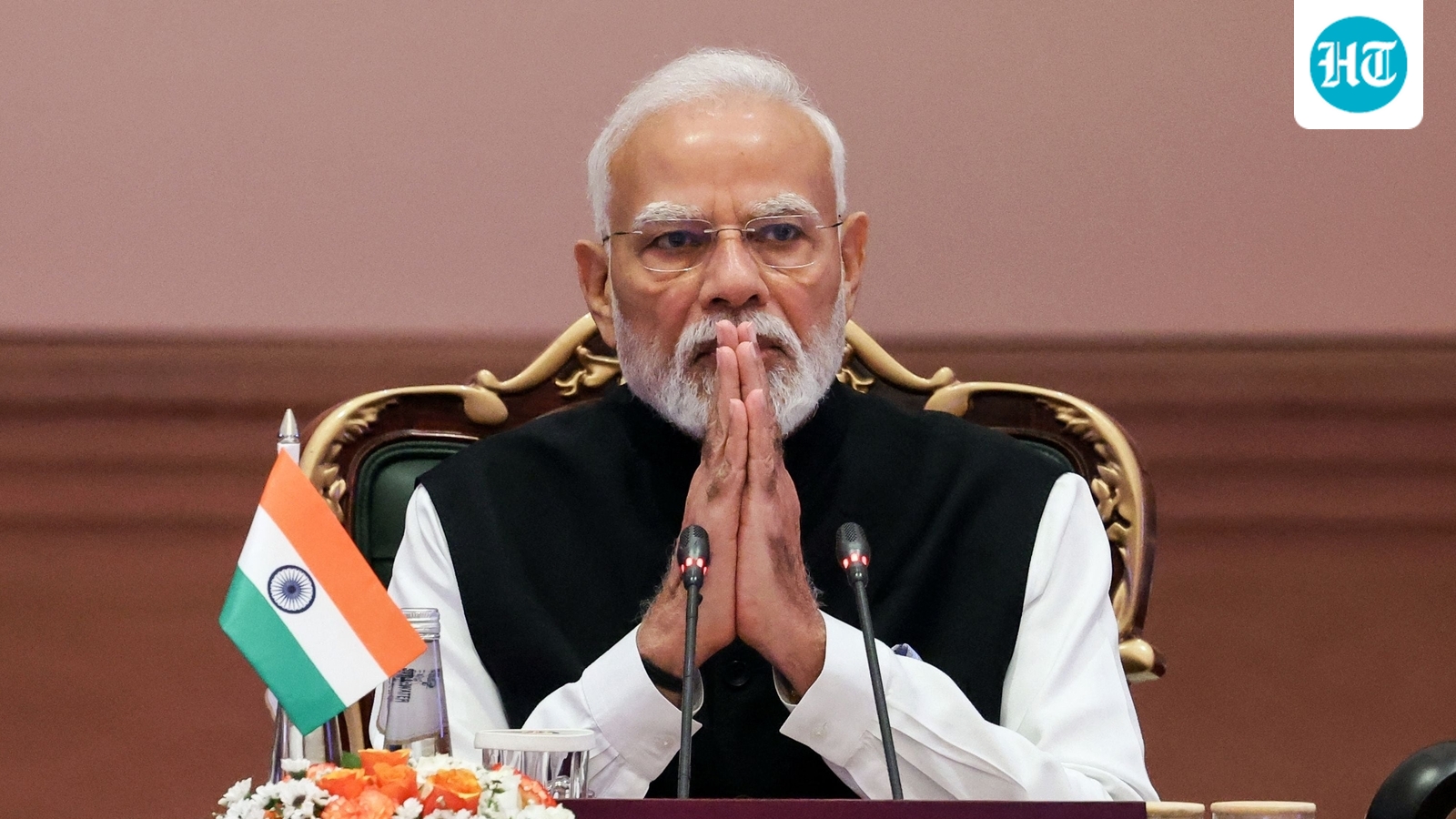
At the 18th Brics Summit at Bharat Mandapam on Saturday, Prime Minister Narendra Modi proposed that member countries build a shared distress and rescue network for seafarers, part of a wider call for Brics partners to reform global governance.
The proposal comes after at least 15 Indian merchant seafarers have died in two conflict theatres over the past nine months.
India moves to build emergency support network
Hours later, the ministry of ports, shipping and waterways released a National Seafarer Emergency Support Network action plan — touting what the document described as the domestic foundation of Modi’s international proposal, formalising an architecture the government has been assembling since August under shipping ministry’s “seafarer-first” initiative.
“Seafarers contribute significantly to global trade, but they often lack support in difficult times,” Modi said, proposing a Seafarers Emergency Support Network. It would, he said, “connect maritime authorities and missions in the respective countries” and provide “assistance with distress alerts, medical assistance, information to families, and evacuation.”
ALSO READ | How India pulled off BRICS consensus on Delhi declaration amid West Asia crisis
Indian seafarers make up 12.16% of global workforce
Indian seafarers now make up 12.16% of the world’s commercial shipping workforce, second only to Filipinos, according to the BIMCO-ICS Seafarer Workforce Report 2026. India supplies 311,936 of the global total of 2.57 million.
10 Indian seafarers killed in West Asia
Ten Indian seafarers have been killed in West Asia since the conflict there began earlier in 2026, the minister of state for external affairs Kirti Vardhan Singh told the Rajya Sabha on July 30. Eight of them died in Oman, at the mouth of the Strait of Hormuz, where most strikes on merchant ships have occurred.
ALSO READ | ‘Differences should not become disputes’: PM Modi tells Xi peace on border key to India-China ties
On the night of July 20, three ships were hit off Oman within hours, including the Kuwait-flagged Kaifan, where an Indian 2nd Engineer was hospitalised. By August 18, shipping companies had pulled 4,144 Indian seafarers out of the region.
Under a circular issued on August 5, ship owners and recruitment agencies must inform the DG Communication Centre before any Strait of Hormuz transit, and obtain the consent of each individual Indian seafarer deployed. A digital grievance system, e-Navik, launched by the Directorate General of Shipping in early September, is meant to route distress and welfare complaints through a single ticketed workflow.
Five Indians killed in Black Sea attacks
In the Black Sea, five Indians were killed in 48 hours in July. On July 18, one of three Indian crew members died on the Omorfi, attacked in what New Delhi called Russian territorial waters. The next evening, four of five Indians on the Golden Leo were killed leaving the Ukrainian port of Odesa.
Two Brics members are significant players in both theatres: Russia in the Black Sea, and Iran in the Persian Gulf. Manoj Yadav, general secretary of the Forward Seamen Union of India, welcomed the proposal but framed it as unfinished business. “Firing at vessels is not done. Seafarers have no weapon on board,” he said. “PM has raised the issue and we welcome it. But now Russia and Iran, who have come for Brics, can pay homage to families.”
KioskNews shows a cleaned-up reading view extracted from the publisher’s page — the original always lives on their site, not ours.