Indonesia puts ‘skin in the game’ to lure Chinese tech amid US rivalry
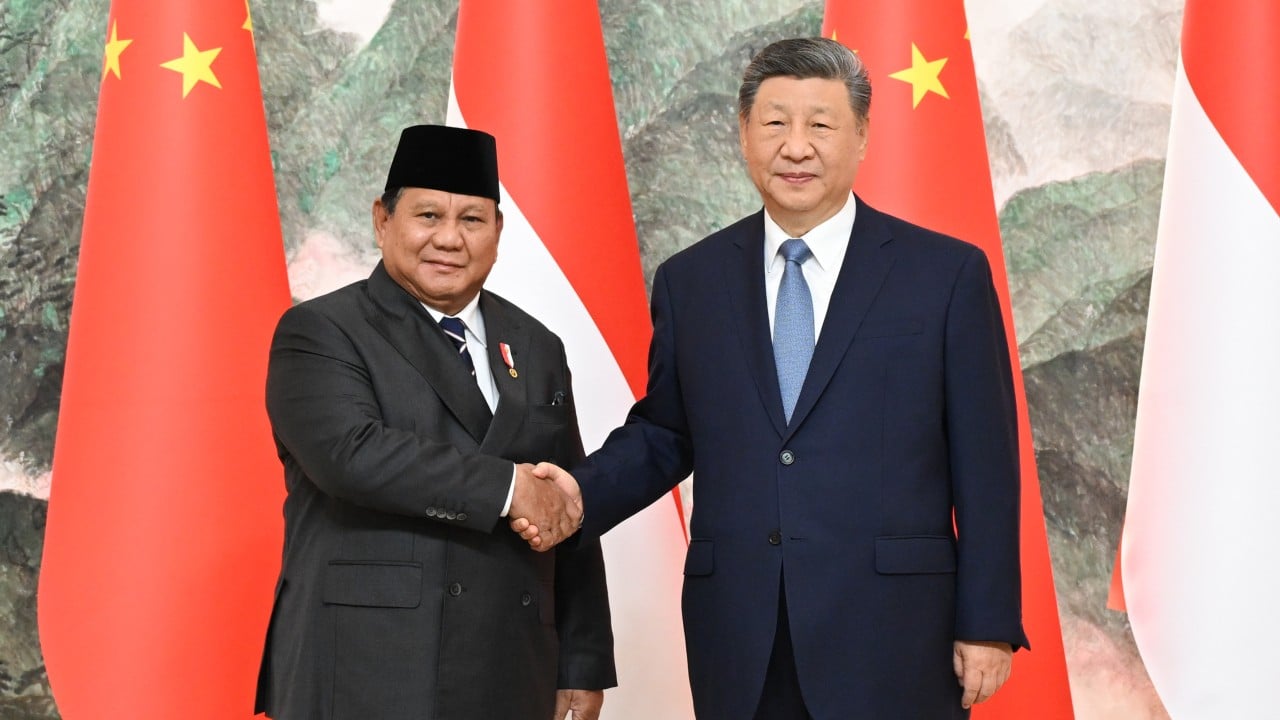
Indonesian officials pitched closer artificial intelligence and green energy technology ties with China at a business forum in Shenzhen on Friday, seeking to move beyond the country’s traditional reliance on natural resources and develop higher-value industries.
Chinese executives at the Indonesia-China Business Forum 2026, held on the sidelines of the Asia-Pacific Economic Cooperation summit, expressed interest in deepening their involvement in Southeast Asia’s largest economy while stressing the need for regulatory certainty and better infrastructure.
The discussions followed the signing of 35 business commitments worth more than US$15 billion, underscoring deepening bilateral ties amid intensifying technological rivalry between Washington and Beijing.
Spanning cleaner nickel processing, technology and finance, the agreements build on bilateral trade that reached US$154 billion in 2025, according to Indonesian data. Hosted by the Indonesian Chamber of Commerce and Industry (Kadin) at the St Regis hotel in Shenzhen, the forum sought to turn Apec diplomacy into long-term commercial partnerships.
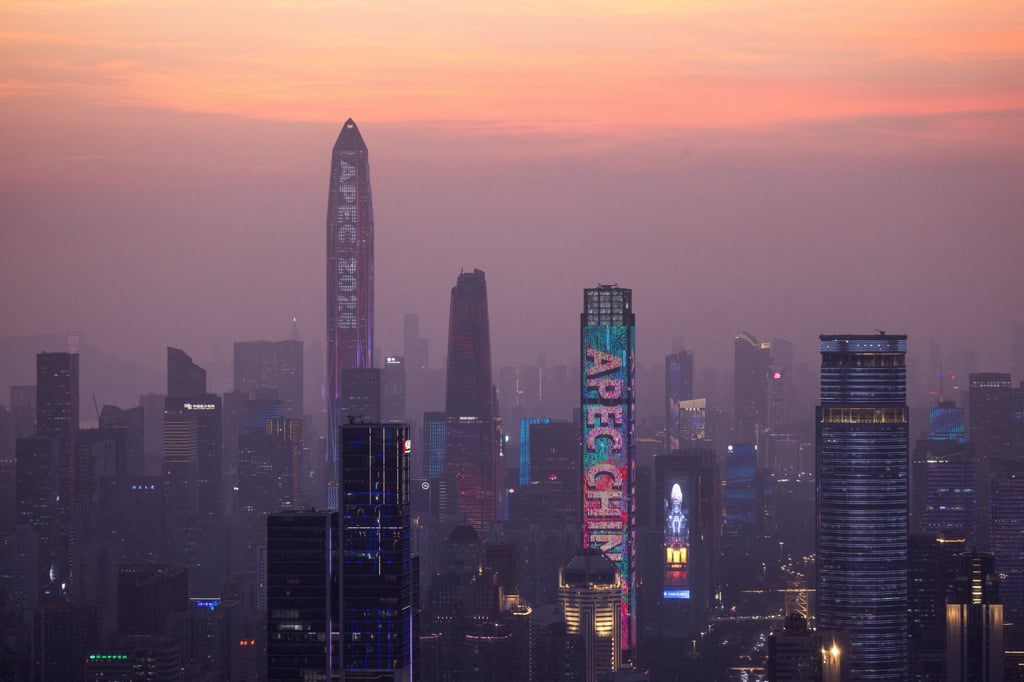
Speaking during a panel on green industrialisation, Nurul Ichwan, Indonesia’s deputy minister for investment promotion, pushed back against concerns over shifting rules.
“The way we keep making adjustments to regulations should not be understood as a kind of uncertainty,” he said. “It is a way of betterment, to fit the context of new business developments in Indonesia.”
He also noted that while Singapore ranked as Indonesia’s top foreign investor on paper, combined capital from mainland China and Hong Kong was much larger, and some of the funding routed from Singapore originated from Chinese and other overseas firms using the city state’s financial hub.
“That’s good for Singapore, good for Indonesia,” he said.
South China Morning Post publisher Tammy Tam, who moderated the AI and green energy panel, framed the discussion around Beijing’s new Apec cooperation initiatives – including a US$20 million Shenzhen research centre – and pressed panellists on the “elephant in the room” of US-China tech rivalry.
Across two panels on AI and green downstreaming, Indonesian speakers made the case for deeper collaboration.
Pahala Mansury, Kadin’s vice-chairman and a managing director at sovereign wealth fund Danantara Indonesia, said Jakarta wanted to turn its “critical minerals into superintelligence” by pairing domestic resources with Chinese technology and talent.
Stressing Indonesia’s non-aligned stance amid US-China tech rivalry, Mansury said Danantara was co-investing in projects, such as waste-to-energy plants in 11 Indonesian cities, to de-risk deals for Chinese partners.
“We are not only the equity and capital partners, we are also facilitating to make sure there is certainty in terms of regulation,” Mansury said. “That’s our role in de-risking, making sure our partners from China are well supported and that we have skin in the game.”
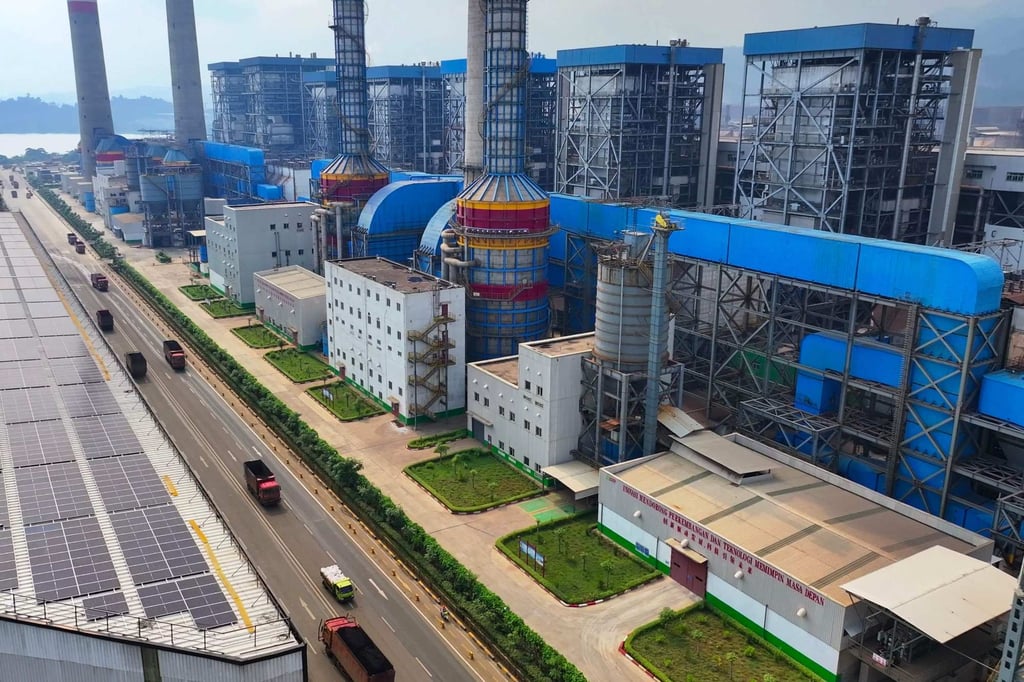
Senior Chinese executives also signalled a strong appetite for investment in the archipelago, though they pointed to several bottlenecks.
Xiao Ming, president of global sales at ZTE Group, reaffirmed the telecommunications giant’s two-decade commitment to Indonesia despite geopolitical headwinds. However, he noted that AI data centre investment remained clustered around Jakarta, urging plans to connect remote eastern islands and train local engineers.
“My suggestion is to have a plan that encourages each region to start setting up AI infrastructure now,” he told the forum.
Zhang Qiying, president of Ming Yang Smart Energy Group, echoed the call for stronger support. Unlocking Indonesia’s renewable potential, he said, required predictable long-term power purchase agreements, better grid connections and improved logistics for heavy equipment such as wind turbines.
Ichwan acknowledged that keeping pace with investor needs required ongoing dialogue rather than top-down rules alone.
“It doesn’t mean only the government communicating to the business community, but hearing from the business community about what they are hoping to be delivered by the government,” he said.
KioskNews shows a cleaned-up reading view extracted from the publisher’s page — the original always lives on their site, not ours.