In Vietnam, ‘China plus one’ still needs Chinese input
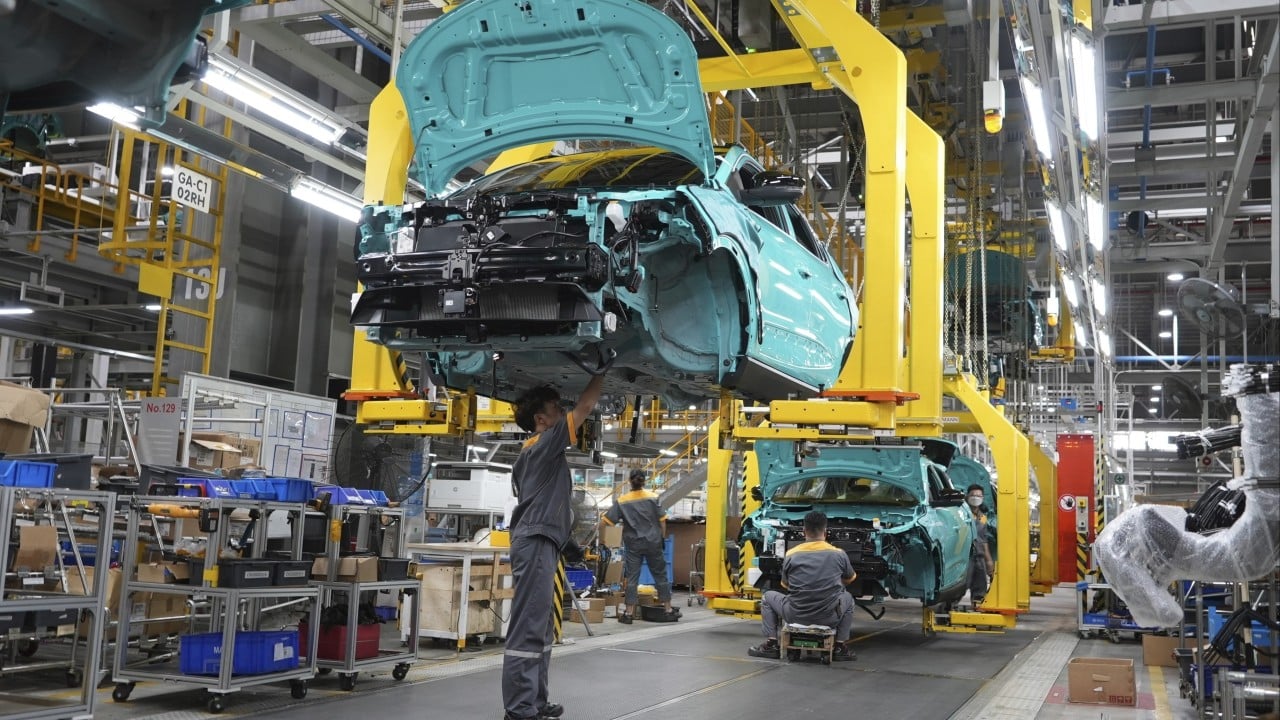
At the Fortune Southeast Asia 500 Summit in Ho Chi Minh City on November 3, a discussion of regional connectivity explored how goods move across borders. I came away thinking about what stays behind. When production moves to Vietnam, how much of the ability to produce moves with it?
Vietnam has set itself an extraordinary ambition. Its five-year plan, approved in April, targets average annual gross domestic product growth of at least 10 per cent from 2026 to 2030. Developing Vietnamese suppliers should be one test of that ambition.
Growth is welcome, but different kinds of growth leave different inheritances. A factory creates jobs and exports. Its longer contribution depends partly on whether Vietnamese businesses learn to supply it, improve their products and win other customers.
The distinction matters. Vietnam’s merchandise exports rose 17 per cent year on year in 2025, according to the country’s National Statistics Office. Exports from the domestic economic sector fell 6.1 per cent. Foreign-invested businesses accounted for 77.3 per cent of the total. Those figures exclude some benefits Vietnamese firms receive indirectly from supplying foreign factories, but they nevertheless raise a question about how deeply the export boom is taking root.
This is the paradox of “China plus one”: production can move beyond China while Chinese businesses and components move with it. A September government report counted more than 7,000 Chinese investment projects in Vietnam. In the first eight months of 2026, China accounted for 989 of Vietnam’s 2,771 newly registered foreign-investment projects, nearly 36 per cent.
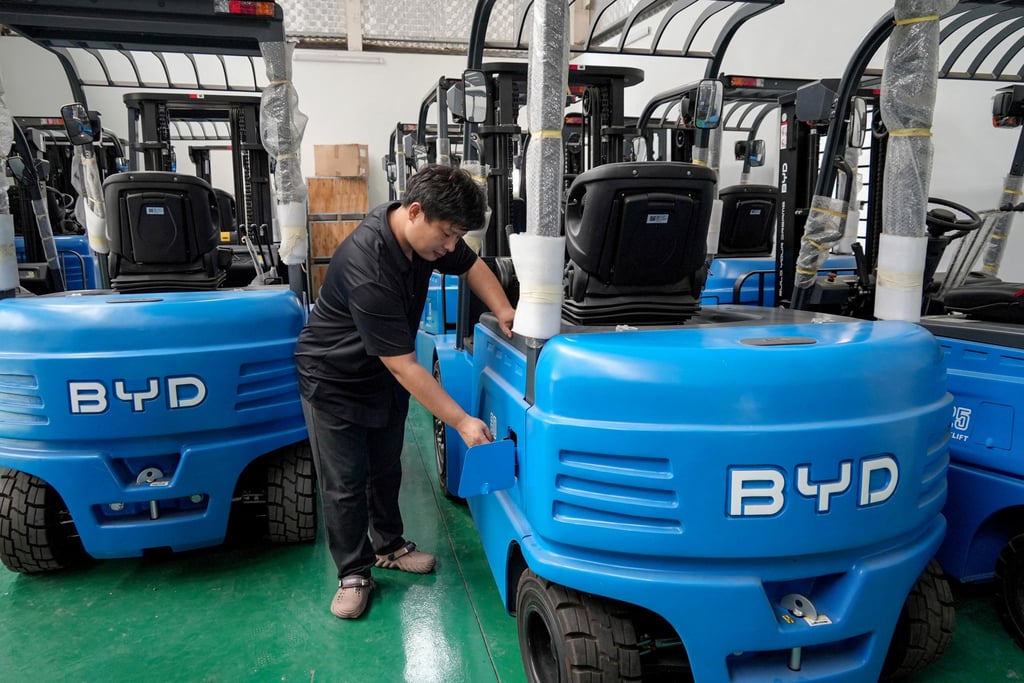
Conversations around the summit showed what this relationship means on the factory floor. A representative of a world-leading display manufacturer, speaking on condition of anonymity, described the limits and possibilities of moving production.
Assembly can take place in Vietnam. Some additional electronics assembly was being introduced there, the representative said. The display panels themselves still came from China. Manufacturing them required accumulated expertise and heavy investment; China’s existing scale made reproducing that capacity elsewhere difficult to justify commercially.
Industrial development happens in stages. An assembly plant can acquire more functions without acquiring every technology embodied in its products. The question is which additional functions Vietnamese businesses and workers can perform well and what would help them get there.
Jason Xiong, trade and investment promotion director at the commercial sub-council of the China Council for the Promotion of International Trade, offered another example: A tyre factory is already buying some inputs in Vietnam while obtaining substantial supplies from China. Qualifying for a certificate of origin, he explained, gave it an incentive to increase local purchases.
He went on to describe how demand for local inputs could push producers to meet the buyer’s quality standards while encouraging existing suppliers to establish factories nearby. Over time, he suggested, a more complete production network could emerge locally.
This is a plausible route from trade incentives to industrial development. A company seeks access to markets, then brings more work closer to its factory. More processing can create demand for skills and services. The next step is for Vietnamese-owned firms to gain skills and compete for that business. Buying locally can create an opening; developing local suppliers takes effort.
More foreign suppliers operating locally can bring jobs, shorter delivery times and customers for local services. The larger opportunity comes when Vietnamese firms enter those networks and become capable of serving several buyers. A country gains more security when its businesses can find another customer after one order moves away.
06:13
Race against time: will an ageing population derail Vietnam’s economic boom?
This requires patient work and predictable rules. Investing in equipment or training is easier when a business can make reasonable plans years in advance. A supplier might need equipment and certification before it can win a substantial contract. It needs finance for that gap, technicians who can diagnose defects and managers who can deliver consistent quality. Buyers can help by explaining standards, working through production problems and offering a credible prospect of repeat orders.
The World Bank recommends supplier development programmes, supply-chain finance and stronger links between industry and education. These are practical ways to turn the presence of foreign manufacturers into opportunities Vietnamese firms can use.
There is evidence that such efforts can make a difference. Samsung reported that its Vietnamese first- and second-tier suppliers increased from 25 in 2014 to 306 by the end of 2023. It also described programmes supporting production management and technical training. The numbers do not tell us the sophistication of every supplier’s work, but they offer a starting point for measuring progress.
Vietnam need not reproduce China’s entire industrial system to benefit from it. It can use access to Chinese components and expertise to build capabilities of its own. Supplier programmes should be assessed by repeat contracts, better production standards and the ability to take on more demanding work. Procurement figures should distinguish Vietnamese-owned firms from foreign suppliers operating locally.
The summit’s theme was “New Horizons, Enduring Growth”. Vietnam’s growth target gives that aspiration a striking number. Its factories can give it substance. The deeper achievement will be a Vietnamese business that learns enough from today’s production to compete for tomorrow’s orders.
KioskNews shows a cleaned-up reading view extracted from the publisher’s page — the original always lives on their site, not ours.