Can the Gulf aviation superhub model survive the war?
Aldo Giovannitti is a writer and advisor on aviation and economic policy, formerly with the World Bank, working with governments and investors
For decades, the Gulf superhubs of Dubai, Doha and Abu Dhabi performed an improbable trick. They redirected millions of people travelling between the West and Asia to connect through their airports. Last year, the three airports handled about 182 million passengers, three times the traffic at Hong Kong airport. Dubai alone handled 95.2 million, the highest ever recorded by an airport.
The Gulf’s hub-and-spoke model – funnelling passengers through a central airport to multiple destinations – created economies of scale that redesigned global commercial aviation flows through a routing system solid enough to become the new standard of travel between West and East.
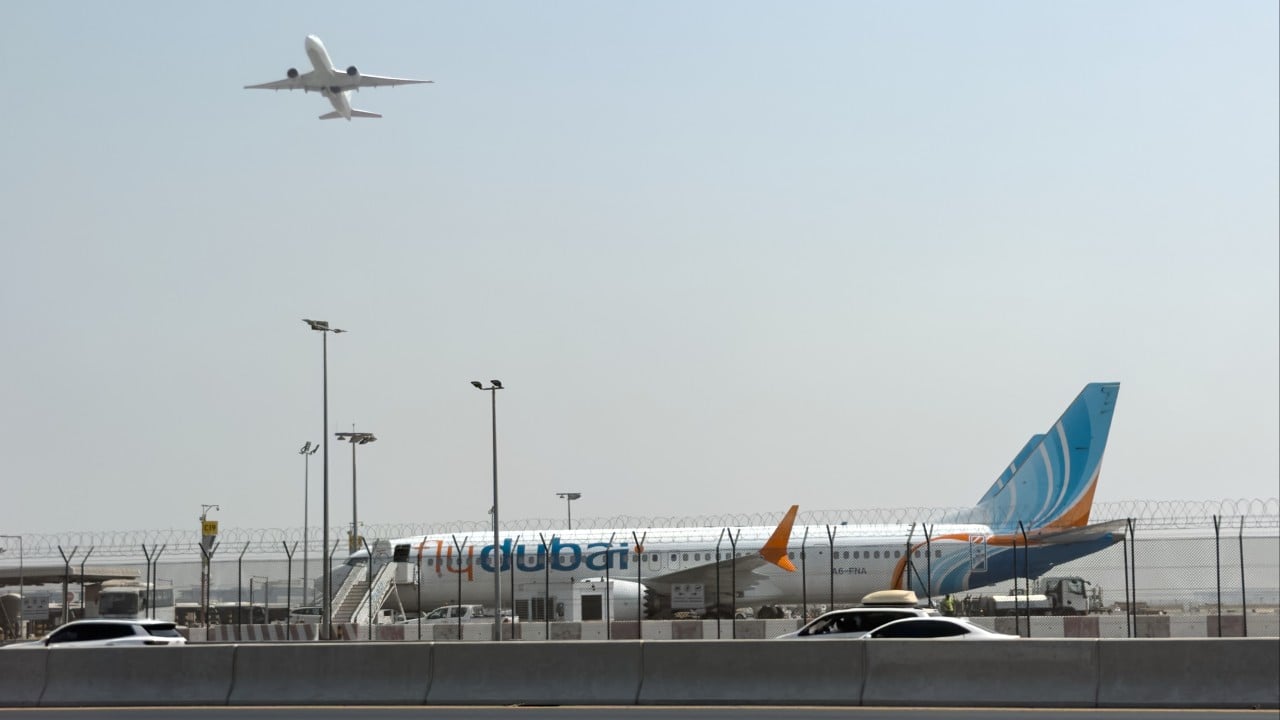
When the US-Israeli war against Iran began in February, Iranian retaliation targeted all three hubs. Abu Dhabi’s Zayed International was struck, with the airport reporting one death and seven injuries; Dubai International suffered damage to a concourse; Doha was also targeted. Airspace emptied and flights were cancelled or diverted.
KioskNews shows a cleaned-up reading view extracted from the publisher’s page — the original always lives on their site, not ours.