Mexico and My Money: Affordability is a growing problem in Mexico, too
While Mexico has long been seen as an inexpensive country to live in (especially by those who don’t live here), the reality is more complicated.
Costs have been steadily rising due to geopolitical pressures such as the joint US-Israel war in Iran, supply chain disruptions, more extreme weather patterns tied to climate change and several factors unique to Mexico (more on that later).
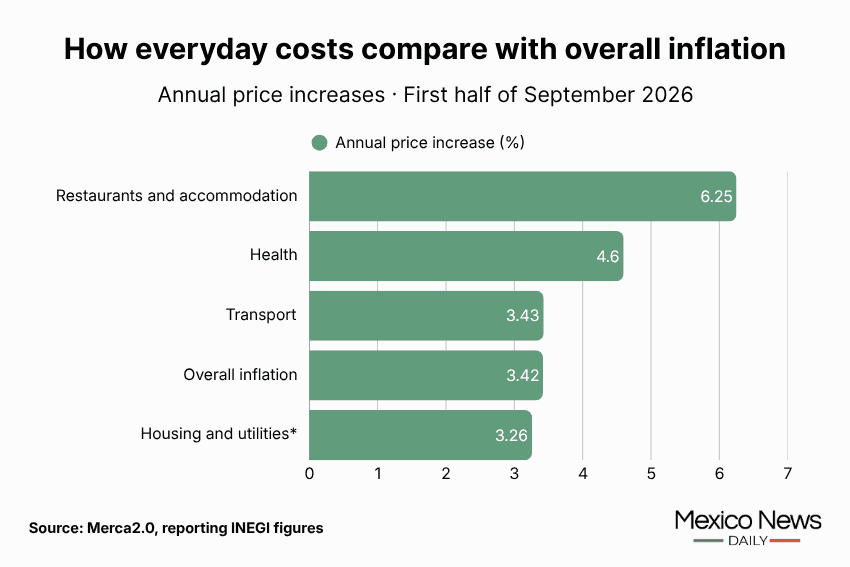
Mexico’s headline inflation rate reached 3.4% in the first half of September 2026, accelerating from 3.26% in August. Excluding food and energy, the so-called core inflation rate is even worse, registering 3.8% in the latest period.
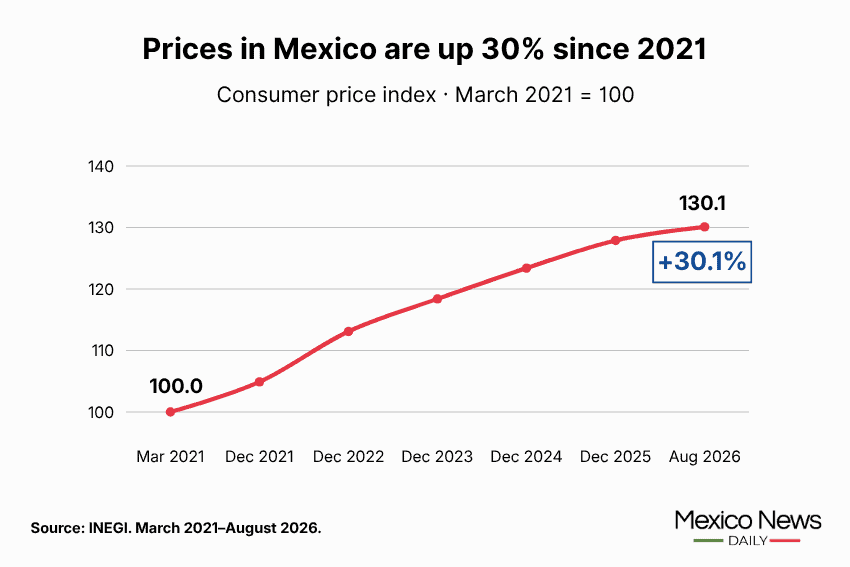
For context, inflation in Mexico has been above the central bank’s (Banxico) 3% target for 5.5 years (since March 2021), with prices up a cumulative 30% over this period. These persistent increases hit lower- and fixed-income residents the hardest.

These facts are not lost on Mexico’s long-term foreign residents. In our recent Mexico and My Money financial survey, 38% of respondents said that the rising cost of living was negatively affecting their lifestyle in Mexico.
Below, I take a closer look at where the pressure is coming from and some of the drivers behind this high inflation.
Essential services have seen rapid price increases lately
The reason that life feels much more expensive in Mexico lately is that some of the biggest price increases have been heavily concentrated in everyday necessities such as food, housing, healthcare and energy.

Food prices have been rising at a much faster rate than overall inflation in 2026, due to extreme weather, fertilizer scarcity and supply chain disruptions. According to INEGI, the national statistics agency, prices for fresh fruit and vegetables rose 3.4% in the first half of September, following massive increases in the first quarter of this year, when tomato prices surged 61%.

The cost of a basic food basket (canasta básica) containing ingredients necessary for a balanced diet is up roughly 4.6% year-over-year in urban areas. Dining out — whether in upscale restaurants or at humble taco stands — is seeing even greater price increases, putting considerable pressure on Mexican residents’ budgets.
Housing costs in Mexico are tracked as a service in official government data, and by most accounts, seriously understate the true level of inflation, according to experts.
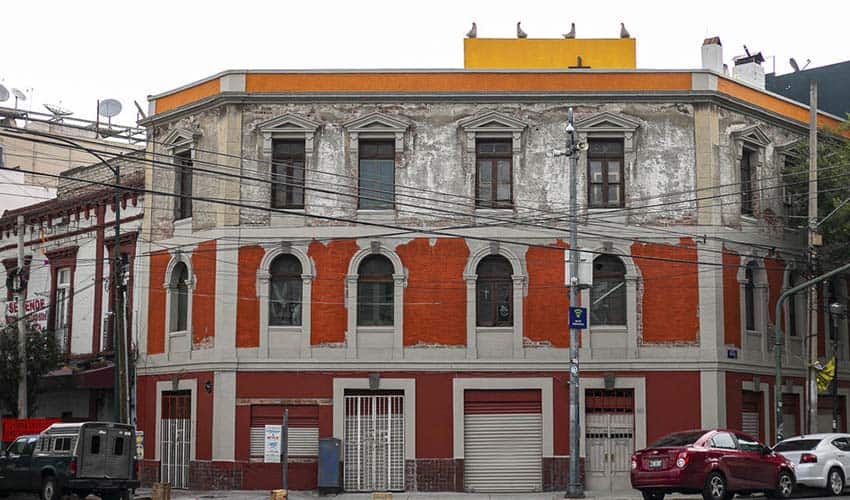
According to INEGI, inflation in rent is around 3.5% this year, but data collected by private sources paint a more dire picture. While trends vary widely by city, years of rapid growth in places like Mexico City have left rents 64% higher there over the past five years, more than double the overall rate of inflation.
This phenomenon has been driven in part by an explosion in real estate prices. Last year, homes purchased with a mortgage increased in price by 8.7% nationwide, according to the Federal Mortgage Society, more than twice the rate of headline inflation.
Major cities like Guadalajara, Monterrey and Tijuana have seen real estate prices rise even faster, driven by rampant speculation and rising demand from foreigners, among other things. Lofty prices now keep many families stuck in the rental market.
Healthcare inflation is also a serious problem. An overstretched and underfunded IMSS system struggles to meet the public’s needs, which prompts many families to seek care from private sector providers. This situation has driven hyperinflation in the private health insurance market in 2026, which I wrote about earlier this year.
Energy is a rare bright spot. Since the U.S.-Israel war in Iran began earlier this year, the price of regular gasoline has remained nearly flat in Mexico, due to government interventions such as voluntary price caps and assorted fuel tax reductions.
State-owned Pemex has absorbed most of the price spikes, only raising prices for consumers on premium gas, which is not covered by the price caps.
Now, let’s look at a few lesser-known factors that contribute to Mexico’s higher cost of living.
After its September nosedive, is the super peso gone for good?
Mexican sales taxes weigh heavily on consumer prices
The general sales tax across Mexico, known as the Impuesto al Valor Agregado (IVA), is a steep16% for most goods and services. This tax has been in place for the past 15 years (since it was raised from 10% to 16%).
Effectively a consumption tax that hits all Mexicans equally, regardless of their income, the IVA feels especially punitive in an inflationary environment for everyday goods.
Fortunately for those on a tight budget, food (excluding pet food), medicines and books are exempt from IVA. In addition, IVA was reduced to 8% back in 2019 for eligible taxpayers in the northern and southern border regions, to prevent consumers from shopping across international borders where taxes are lower.
Extortion compounds underlying pricing pressures in Mexico
Although food is exempt from IVA sales tax, there is another, less visible “tax” on fresh fruit and vegetables in Mexico, thanks to widespread extortion of agricultural producers.
Often referred to as derecho de piso (protection money), these nonoptional payments that Mexican farmers make to organized crime groups drive up product costs. While extortion affects myriad food products, those who cultivate so-called “green gold,” e.g., avocados, limes and agave, are a favored target.
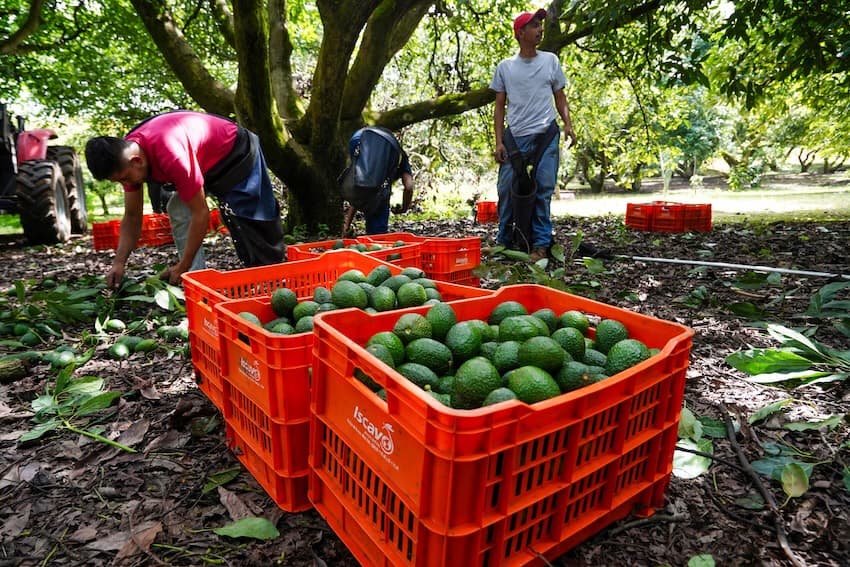
(Juan José Estrada Serafín / Cuartoscuro.com)
Extortion in Mexico today does not look like the random shakedowns of years past. It has evolved into sophisticated, systematic coercion that affects the entire agricultural supply chain.
For small farms, extortion limits what they can produce. If squeezed beyond the breaking point, they may shut down entirely. At larger farms, these extra “operating” costs typically get absorbed and passed along to the consumer.
But things may be starting to change.
Omar García Harfuch, Mexico’s popular secretary of public security, has committed to taking on the problem. He recently launched a federal anti-extortion plan, the National Strategy Against Extortion, offering financial intelligence to states with the biggest problems. The initiative also encourages businesses to report extortion using a newly created hotline, as many are reluctant to report these crimes locally.
Your vices cost you dearly in Mexico
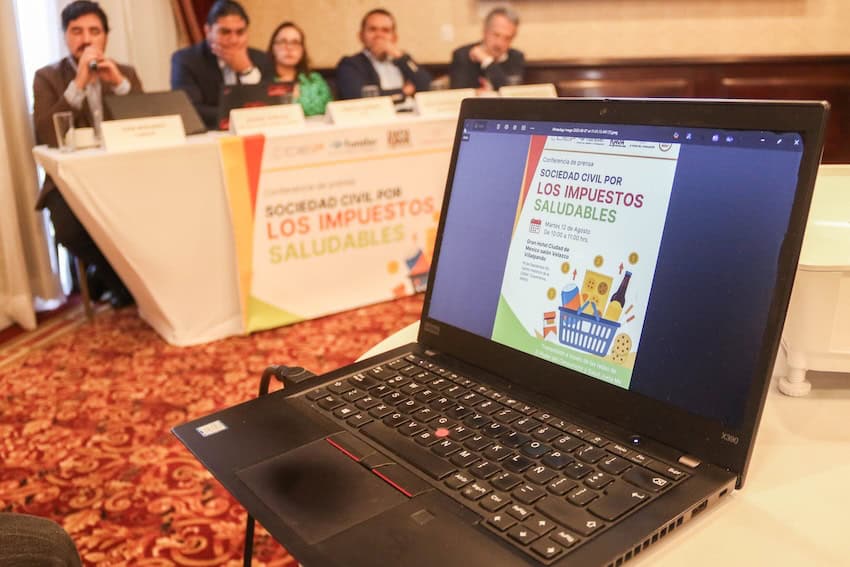
The Mexican government is heavy-handed with “vice” taxes, levying surtaxes on products it deems harmful, superfluous or undesirable. Known in Mexico as Impuesto Especial sobre Producción y Servicios, or IEPS, these vice taxes are levied on top of the standard 16% IVA, significantly increasing the prices paid by everyday consumers.
Here are several examples of products and services with IEPS taxes:
- Cigarettes are subject to a 200% tax plus a fixed fee of around 0.65 MXN per cigarette.
- Alcoholic drinks are subject to surtaxes ranging from 26.5% to 53%, depending on alcohol content and type.
- Gambling is subject to an additional 50% tax. The tax is applied to physical casinos and foreign betting platforms.
Needless to say, it pays to live clean in Mexico.
Expect higher prices on gas, alcohol, snacks and more, thanks to the IEPS
Peso volatility compounds inflationary pressures
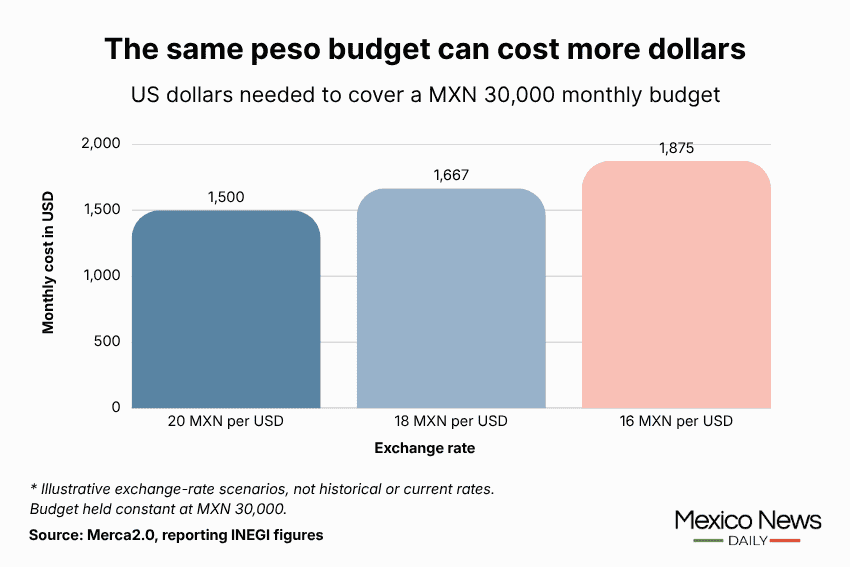
Exchange rate fluctuations are another source of anxiety for many expats in Mexico. If your income is derived from funds earned abroad, a weaker peso makes life more affordable in Mexico, while a strengthening peso makes life here more expensive.
Up until last week, a return of the “super peso” was exacerbating inflationary pressures for foreign residents. The peso’s abrupt 6.7% drop over the past month has brought some relief, as the currency is now up less than 2% against the USD in the past year.
All in all, Mexico’s cost of living is still roughly 40% cheaper than life in the U.S. or Canada, according to International Living. We can be grateful for that.
If Mexico’s rising prices are affecting your household, what are you doing to cope? Please drop your ideas in the comments below.
From tipping to moving money into Mexico from abroad, check out more from MND’s “Mexico and My Money” archive.
KioskNews shows a cleaned-up reading view extracted from the publisher’s page — the original always lives on their site, not ours.