The 6 Best Adventure Books Released Since 1990, Ranked
Adventure books have one job I care about more than almost anything else: make the room around me disappear. I want to look up after fifty pages and be mildly annoyed that I am still sitting where I started.
And then there are books that have become so famous through movies or television that people forget how ferocious the original reading experience was. We have multiple of those on this list. These are stories I would happily ruin somebody’s weekend with. Care to find out what I’ve come up with? Let’s dig right in.
6 'Shantaram' (2003)

An Australian fugitive named Lin escapes prison, reaches Bombay under a false identity, and gradually becomes entangled with slum communities, criminals, smugglers, lovers, prison guards, and eventually armed conflict in Afghanistan. That is the huge, wandering life at the center of Shantaram, a book that treats disappearing into another country as both freedom and another way of running from yourself.
Gregory David Roberts wrote it, drawing heavily on experiences from his own extraordinary life while still presenting the novel as fiction. What makes the book so easy to surrender to is the sense that Lin can walk down one street and accidentally acquire an entirely new existence. His friendship with Prabaker gives the early Bombay chapters enormous warmth, while Khader Khan pulls him toward a criminal world that feels seductive precisely because Lin desperately wants somewhere to belong. The 2022 Apple TV+ adaptation with Charlie Hunnam captured pieces of that world, but the novel has much more room for Lin’s contradictions, and honestly, that sprawl is part of the pleasure.
5 'The Beach' (1996)

The Beach follows Richard, a young backpacker in Thailand who receives a secret map to an supposedly untouched island and joins a hidden community of travelers trying to preserve their private paradise from the outside world. The setup sounds like every twenty-something traveler’s fantasy right up until Alex Garland starts asking what happens when paradise develops rules, hierarchies, paranoia, and people inconvenient enough to get hurt.
Garland wrote the novel years before becoming known for films such as Ex Machina and Annihilation, and you can already see his interest in closed systems starting to rot from within. Richard is especially good company because he wants the adventure badly enough to ignore warning signs that become increasingly obvious. The Leonardo DiCaprio film from 2000 made the story internationally famous, but the book is darker, stranger, and much better inside Richard’s head. It understands that the most dangerous part of finding the perfect hidden place may be the belief that you deserve to keep it.
4 'The Terror' (2007)

Two Royal Navy ships, HMS Erebus and HMS Terror, become trapped in Arctic ice during the doomed Franklin expedition, leaving their crews to face starvation, scurvy, freezing temperatures, mutiny, and something enormous hunting them across the ice. The Terror takes a real historical disaster and adds one supernatural predator, somehow making the documented reality feel almost as frightening as the monster.
Dan Simmons wrote it, and what impressed me most is how thoroughly he earns the misery. You feel the food running out. You understand why canned provisions become terrifying. You watch command structures weaken as months become years and men realize rescue may never come. Captain Francis Crozier slowly emerges as the character you desperately want to survive because competence becomes precious in a place this hostile. AMC adapted the novel brilliantly as the first season of The Terror in 2018, and that version deserves its reputation. The book still has one unfair advantage: it can keep you trapped in that frozen expedition for far longer.
3 'Life of Pi' (2001)
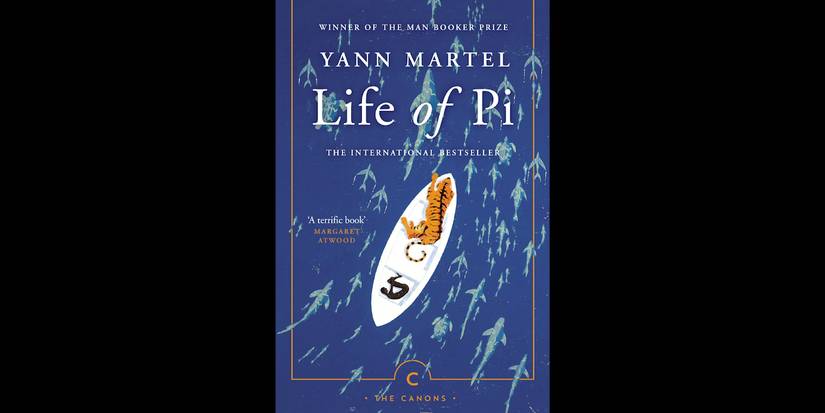
After a cargo ship sinks in the Pacific, sixteen-year-old Pi Patel survives on a lifeboat with a Bengal tiger named Richard Parker and must somehow keep both of them alive while drifting across thousands of miles of open ocean. That is the beautifully simple survival problem inside Life of Pi, though the book eventually makes the question of what actually happened just as important as the survival itself.
Yann Martel wrote it, and he spends enough time teaching you about Pi’s family, religion, zoo animals, and understanding of animal behavior that the tiger never feels like a cute symbolic companion. Richard Parker can kill him. Pi knows that every day. Training the tiger becomes part survival tactic, part psychological necessity, because maintaining territory and routine gives Pi something to do besides wait for death. Ang Lee’s 2012 film became a gorgeous visual achievement and deservedly made the story even more famous, but the book’s final conversation changes the experience in a way images alone cannot. You finish wondering which story you chose to believe and what that choice says about you.
2 'The Martian' (2011)
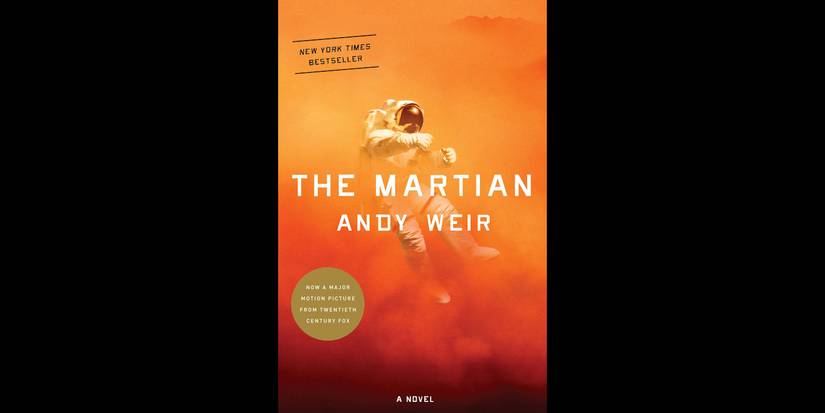
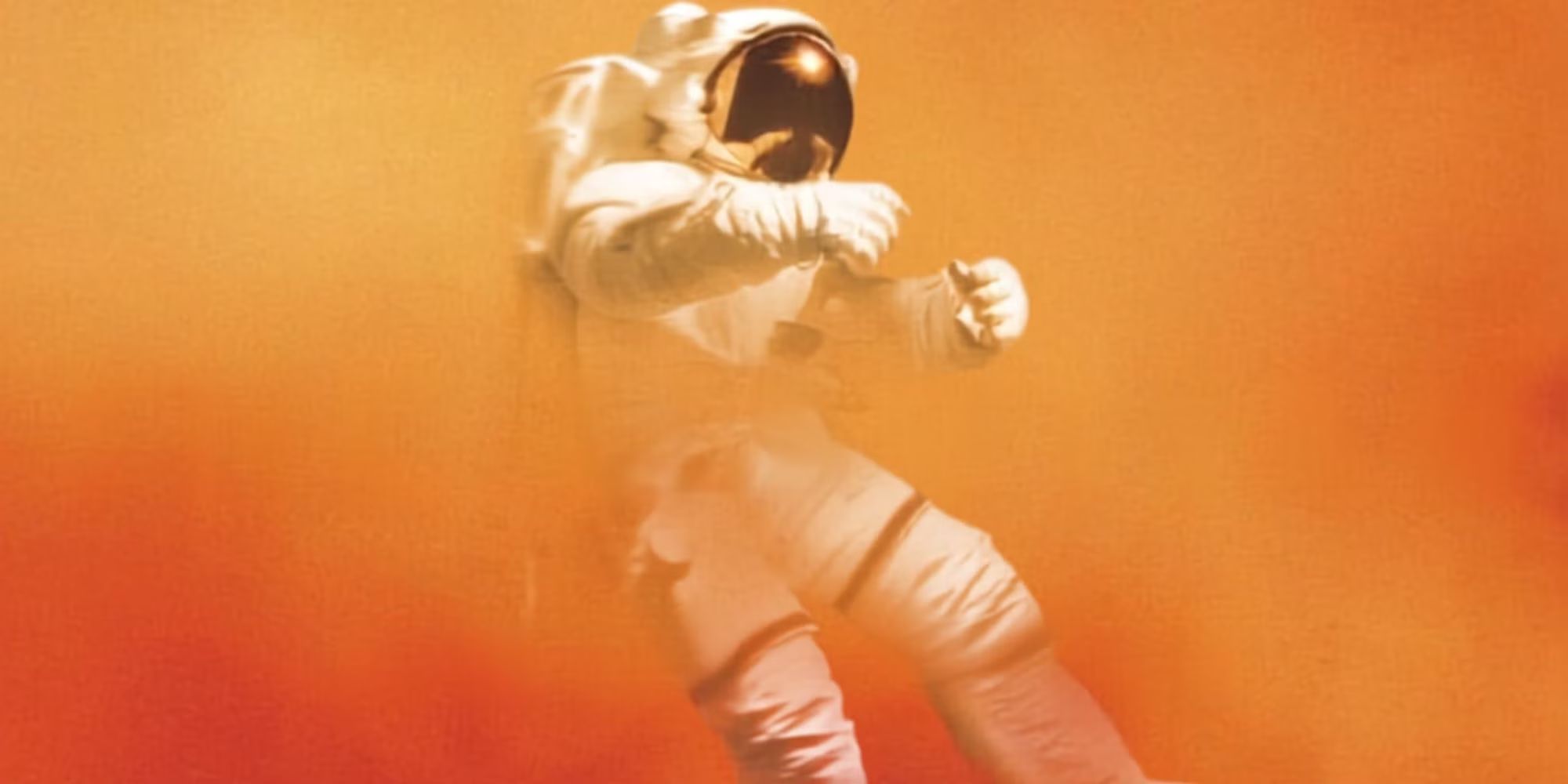
The Martian strands astronaut Mark Watney alone on Mars after his crew evacuates during a violent storm and mistakenly believes he has died, leaving him to survive with limited food, equipment, and no immediate way to contact Earth. Andy Weir wrote the novel, and he turns the entire situation into one glorious chain of engineering problems where solving one issue often creates the next one.
Watney is why I recommend the book so enthusiastically. He calculates calories, grows potatoes using Martian soil and crew waste, manufactures water, repairs equipment, and keeps making jokes because apparently sarcasm is another life-support system. The fun comes from understanding the solution well enough to appreciate exactly how badly things can go wrong. Ridley Scott’s 2015 film with Matt Damon is excellent and preserves much of that personality, but the novel lets you live inside the troubleshooting for longer. Somehow reading pages of calculations about oxygen, food, and rover range becomes suspenseful enough that you start rooting for mathematics.
1 'Jurassic Park' (1990)

A billionaire creates a private island theme park populated with genetically engineered dinosaurs, invites scientists and other guests to inspect it before opening, and then watches the entire system collapse once the animals escape containment. That is Jurassic Park in its cleanest form, and Michael Crichton wrote it as both a spectacular survival story and a very angry warning about people who mistake technological ability for control.
The book is much harsher than the family-adventure image the franchise eventually acquired. Ian Malcolm spends considerable time explaining why a complex biological system cannot be controlled simply because its designers have spreadsheets. The dinosaurs behave like animals rather than theme-park attractions, including several that are considerably nastier on the page. And John Hammond is a much less cuddly figure than Richard Attenborough’s wonderful film version. Steven Spielberg’s 1993 adaptation is one of the greatest blockbusters ever made and gave the story images that may never leave popular culture. I still think everyone who loves that movie should read the novel once. You know the park. You may be surprised by how much meaner the book is once the gates fail.
KioskNews shows a cleaned-up reading view extracted from the publisher’s page — the original always lives on their site, not ours.