EXPLAINER: What is an oil spill and how does it affect communities?
Make this your preferred source to get more updates from this publisher on Google.
The Philippine Coast Guard (PCG) reported an oil spill in Mariveles, Bataan, on Friday, affecting approximately 500 square meters of coastal waters.
In the Philippines, damage caused by oil spills reached P4.93 billion in 2023, accounting for 53% of the total damage from human-induced disasters recorded that year, according to the Philippine Statistics Authority (PSA).
What are oil spills and how does it affect us?
The US National Oceanic and Atmospheric Administration (NOAA) defines crude oil as a fossil fuel used to manufacture a wide array of petroleum products, ranging from transportation fuels like gasoline to materials such as asphalt, plastics, soaps, and paints.
NOAA noted that oil spills can occur on both small and large scales, with either posing significant threats to marine life.
“Most of these spills are small, for example, when oil spills while refueling a ship. But these spills can still cause damage, especially if they happen in sensitive environments, like beaches, mangroves, and wetlands,” the agency explained.
“Large oil spills are major, dangerous disasters. These tend to happen when pipelines break, big oil tanker ships sink, or drilling operations go wrong,” it added.
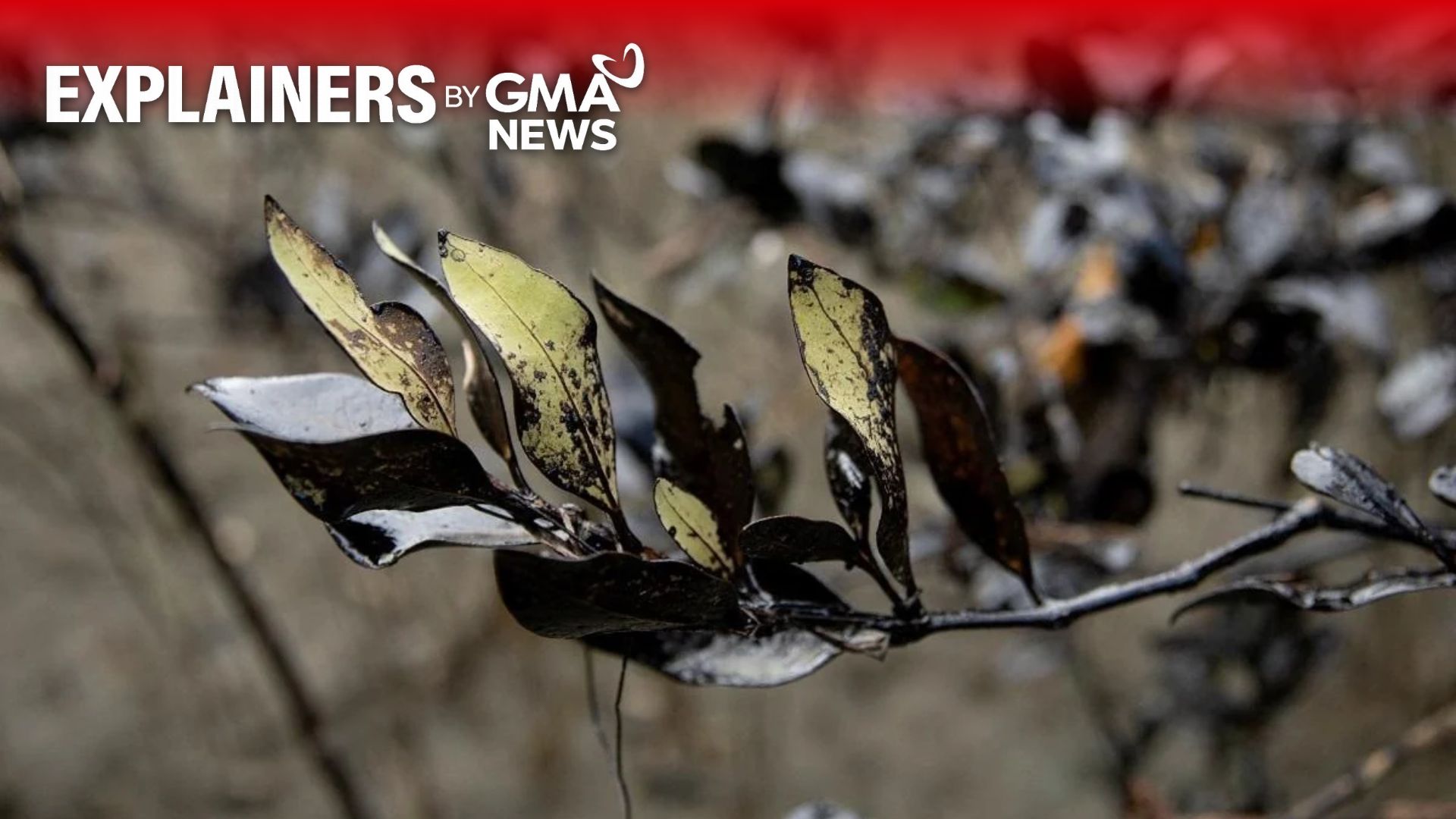
One of the Philippines' notable large-scale oil spills occurred in 2024, when the MT Terranova sank off the coast of Bataan while carrying 1.4 million liters of industrial fuel oil. During cleanup operations, the PCG reported recovering more than 1 million liters of oily waste.
Impacts
Oil spills threaten marine life as well as the livelihoods and safety of coastal communities near the affected waters.
The Department of Health (DOH) has warned against the health risks of exposure to oil spills, whether through inhalation, direct skin contact, or ingestion:
- Through inhalation: Nausea, eye irritation, increased blood pressure, irregular heart rhythm, headache, loss of appetite, and difficulty concentrating;
- Through skin contact: Skin irritation, blisters, burns, peeling skin, and dermatitis;
- Through ingestion: Vomiting, diarrhea, abdominal pain, coughing, irritability, and unconsciousness. Large amounts may result in convulsions, coma, or death.
As safety precaution, the Health Department advised posting warning signs around affected areas and water bodies, exercising extra caution with drinking water, and keeping children away from the site, as their tendency to put their hands in their mouths puts them at higher risk of accidental ingestion.
The DOH advised individuals exposed to oil to immediately remove and decontaminate contaminated clothing and thoroughly wash affected skin with mild soap and water.
Meanwhile, the DOH urged anyone experiencing symptoms after exposure to an oil spill to seek immediate medical attention at the nearest healthcare facility. —VBL, GMA News
KioskNews shows a cleaned-up reading view extracted from the publisher’s page — the original always lives on their site, not ours.