Rimple Narula on social media trolling, 26 years in costume design and why she doesn’t follow trends
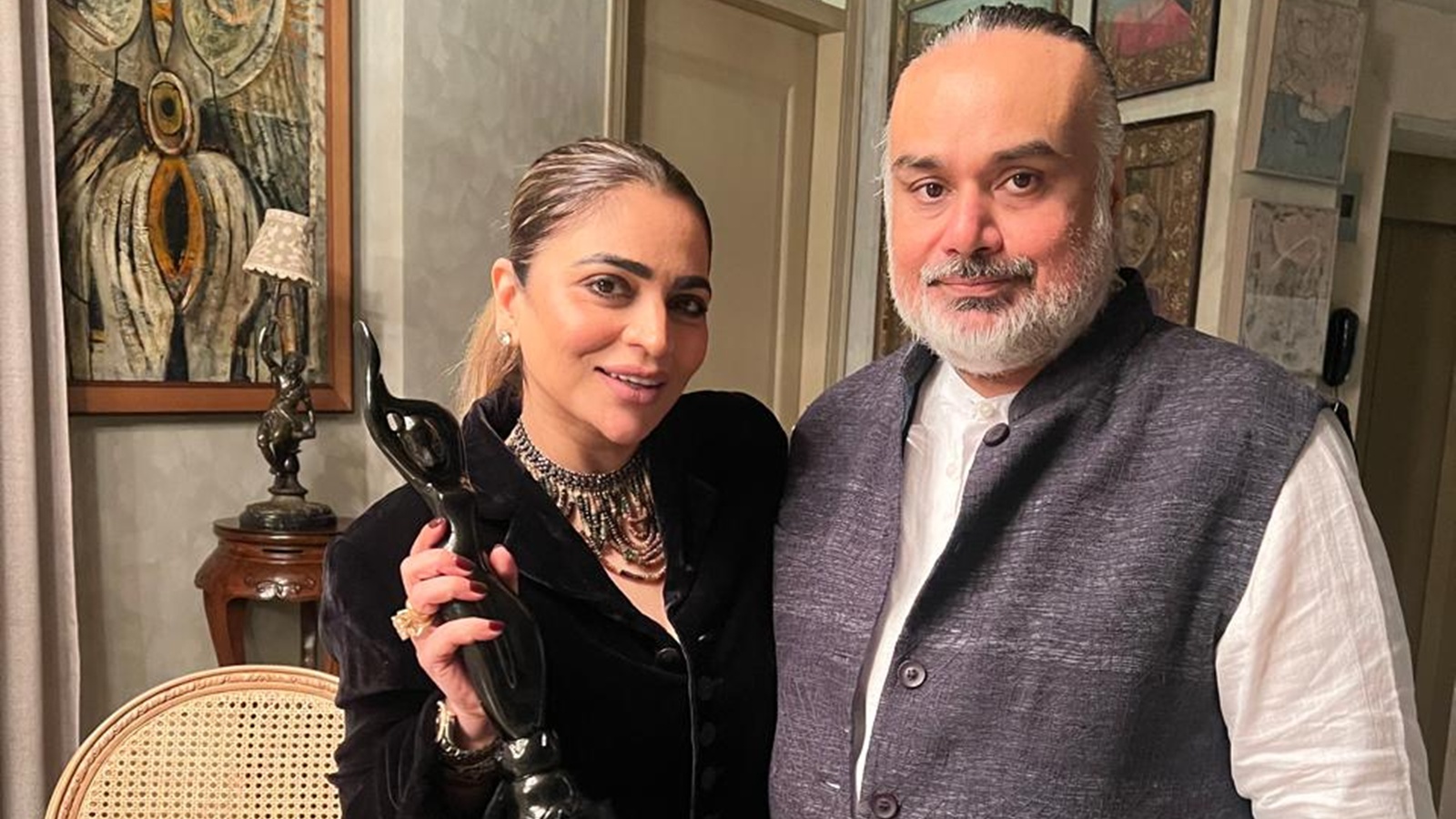
In an age when a film’s creative choices can become the subject of public debate even before audiences have watched it, costume designers are increasingly finding themselves having to explain the thinking behind their work. For Rimple Narula, who has spent 26 years in the field alongside her husband and creative partner Harpreet Narula, the criticism surrounding their work on Ramayana was a reminder of how quickly people can form opinions.
The use of stitched blouses for women in a story set in the Treta Yuga, in particular, drew criticism online. Rimple acknowledges that audiences have their own expectations of a story that has been part of India’s collective consciousness for generations. But she also hopes viewers will look at the larger creative process before judging individual choices.
“I know a lot of hue and cry happened over stitched blouses in Treta Yuga. I understand. I am a designer who has delivered award-winning cinema to you guys. So it’s okay even if people were very fast in judging us. All I want to say is that when the responsibility is given to Rimple and Harpreet, who have been custodians of history and culture for so many years via films or our own creations with our established couture label, have faith in us!”
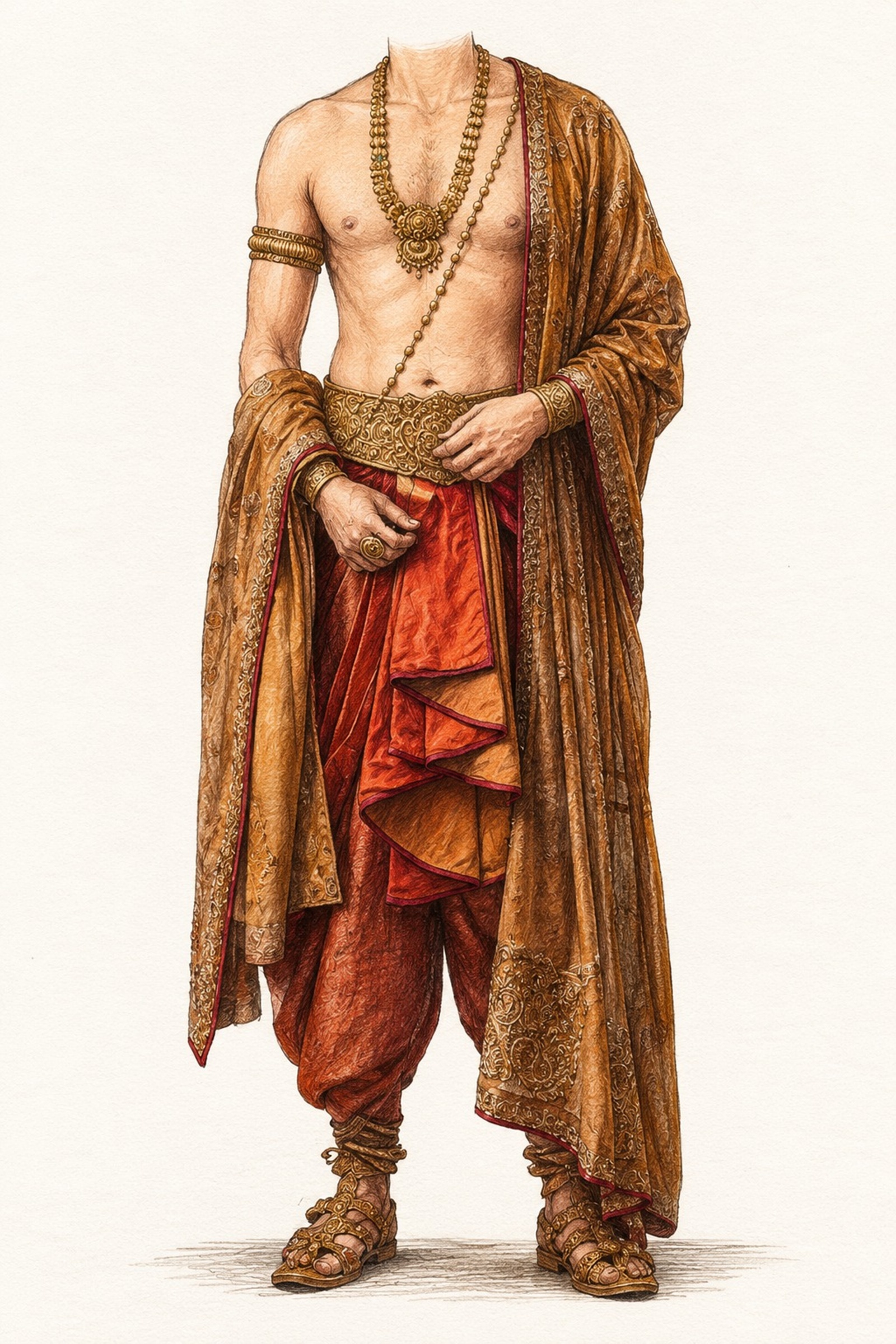 Here’s a glimpse of Rimple’s design (Photo: PR Handout)
She explained that the intention was to create a visual identity that felt Indian, while remaining mindful of the emotions and faith audiences associate with the epic. The objective, she said, was not to reproduce a historical record exactly.
“Whenever a project of this scale happens, there is always nervousness because nowadays, people are very quick to decide the fate of anything…challenging their brain…something like this with thousands of iterations, repetitions…not a news story …and has lived in a collective consciousness of people for so many decades….to remake something like this…always invites debate. But I was super excited when we had got finalised for making the costumes. Soon after, the exhilaration had turned into responsibility. The moment it was all finalised, we had to deliver something visually appealing,” Rimple said.
The designer duo’s body of work includes period projects such as Padmaavat (2018) and Heeramandi (2025). Across these projects, their approach has been shaped by a sustained interest in India’s textiles, embroidery traditions, and craftsmanship. For Rimple, costume design is not simply about making an outfit look attractive on screen. It is about understanding where a fabric comes from, the history behind a particular embroidery technique, and how clothing can help establish the world of a story.
A 26-year journey rooted in research and craftsmanship
Rimple and Harpreet’s interest in textiles goes back several years. The two have collected antiques, particularly textiles, and spent time studying the origins of different embroidery styles, weaving techniques and fabrics. Their design process, she explained, is guided by curiosity, research, and instinct rather than changing fashion trends.
Story continues below this ad
“Harpreet and I have been collecting antiques, especially textiles, over a period of time. We have always been very interested in learning which provenance had what kind of embroidery, and where Badla (Mukesh or Kamdani), Zardozi embroidery comes from, or which weaving technique was used for the prints, whether there were Mughals, or rulers from down south, or what kind of Kanjeevarams or which gold thread was being used. All this has been very intriguing to us. So, we are designing in a very intuitive way. We don’t follow any trends. We rely on history books, or textile remains, or antique shopping to understand what kind of clothing in which era was popular,” described Rimple.
That attention to detail is central to how the duo approaches a project. Instead of beginning with what is fashionable, they look at the cultural and historical references available to them. A particular weave, the use of gold thread or the provenance of an embroidery technique can inform how a character is dressed. It is this understanding of traditional craftsmanship that they bring to their work in cinema.
For Rimple, however, research is only one part of the process. The nature of the story also determines how much room there is for interpretation. Historical dramas offer designers records and references to work with, while mythology requires a different approach. “In mythology, you have to go by your faith and imagination,” she added.
The scale of a film also means that costume design extends well beyond the lead actors. Every outfit has to work with the setting, the colour palette, the visual effects, and the mood of a particular sequence. The designers have to think about how the costumes of the supporting cast and background characters will sit alongside those of the principal actors.
Story continues below this ad
“When you are doing a grandeur film, you are not only responsible for the landscape but also responsible for how the colours would feel against the green screen or a particular ensemble scene or a happy or dance scene. It’s not only the costume of your primary characters but also the secondary and tertiary characters. So, altogether, the costumes of a period drama can easily go up to 3,000-4,000,” said Rimple.
The challenge of creating a visual identity for ‘Ramayana’
It was this combination of research and imagination that the designers brought to Ramayana. “The biggest challenge was balancing familarity with originality. Ramayana exists in collective consciousness and imaginations of millions. Everybody, including you and me and people sitting around the world, have their own versions of Ram, Sita, and Laxman or even Ravan. So, to create a visual spectacle, a visual memory, which would be familiar yet different, was the biggest challenge of my life,” Rimple explained.
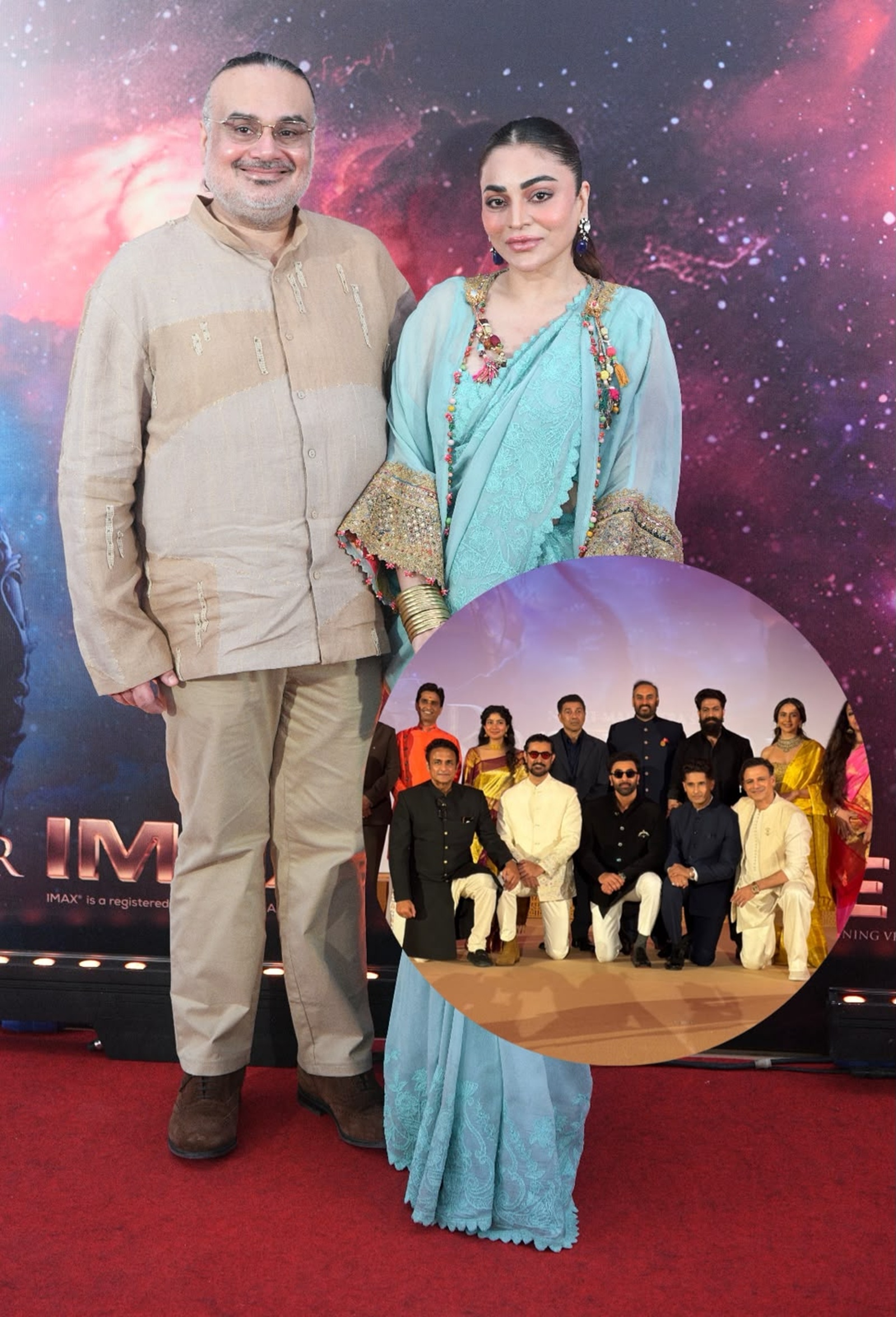 Rimple and Harpreet at the Ramayana screening (Photo: PR Handout)
The designers studied scriptures and calendar art while also looking at how the Ramayana is represented in different parts of South-East Asia.
“We studied a lot of scriptures and calendar art. It is so amazing that I understood that every South East Asian country has its own Ramayana and its own study, whether it’s Sri Lanka, Cambodia, Thailand,or Nepal. Sabke paas apni Ramayana hai (Everyone has their own Ramayana). And everyone has their own way of dressing. The challenge for me was how to make it Indian which the global audience will see..and how they can pinpoint India on the map.”
Story continues below this ad
According to Rimple, they are striving to “understand the global market and trying to put India on the global platform where we didn’t want the product to look South East Asian on a whole”. “I wanted it to look Indian. Hence the saris, the stitched blouses. Also, it is an iteration. It is not from history that I have to be authentic to the T. Yes, I have to be authentic to the emotions and faith that people have in their god. I should not be disrespectful or hurt anyone’s sentiments. Yet, when you look at the project on mute, you understand who you are looking at. If your hands fold and your eyes get numb or you realise you are watching a god and a goddess, I have done my job,” reflected Rimple.
Dressing Ranbir Kapoor as Lord Ram
Developing the characters’ looks began while the cast was being finalised. For Rimple, one of the most important aspects of costume design was to help the actor inhabit the character, with every detail—from the colours and textures to the jewellery and hairstyle —contributing to the portrayal.
She recalled the moment Ranbir Kapoor stepped out of his van wearing the crown designed for his role as Lord Ram.
“We had initial meetings while the cast was being locked. The only responsibility a producer or director looks for in a costume director is how they can bring out the character in the actor who is playing that role. That was a huge responsibility to make Ranbir feel and portray Shri Ram. I remember the moment he had a crown on his head and walked out of his van. Believe me, everyone was gobsmacked. Jaws dropped looking at him because he did pretty much feel like Lord Ram,” Rimple said.
Story continues below this ad
Sai Pallavi, who plays Sita, also made the process easier for the designers, Rimple said, because the actor’s temperament naturally resonated with the character.
“I think the choice of cast has been impeccable. Sita has an innate quality and Sai Pallavi quite naturally resonated with those qualities. She is very calm, extremely humble, and sweet, yet her power lies in her eyes and performance. It made it very easy for us to dress her up because the moment we used to put the costumes on her, I could see Sita Ma’s reflection in her. She is a thorough professional. Extremely calm and kind,” she added.
Rimple also acknowledged the patience of the women in the cast, who had to spend long hours in elaborate hair, makeup, jewellery, and crowns.
“Lara (Dutta)was extremely cooperative. All the women had to wear those crowns, so much jewellery. They had spent some 12 hours in that hair and makeup…every day. Rakul Preet (Singh) was looking so confident in her skin and so beautifully portraying a character which may be disliked by people, but with so much panache, she displayed her inner strength and played Surpanakha. She was looking extremely gorgeous. My interaction was less with Kajal Aggarwal, but she has been supportive and good with her opinions. She is a calm listener. I cannot thank them enough. Without their patience, perseverance, and cooperation, a movie of this scale wouldn’t have been possible.”
Story continues below this ad
The visual contrast between Ayodhya and Lanka
Another important aspect of the design process was creating distinct visual identities for Ayodhya and Lanka. The choice of fabrics, embroidery, and jewellery helped establish the geography and character of each setting.
“The outfits of Lanka had a sharp contrast to those of Ayodhya. That’s very apparent. We have also designed a lot of jewellery with Amrapali Jewellers. We had to send sketches. My entire team was involved 24 hours a day. They also delivered products that are commendable and sometimes in such a short time. They have done close to 4,000-5,000 pieces of jewellery for everybody. Creating that contrast was important considering the geography, provenance, nature of people, qualities, and physical appearance.”
The designers used richer fabrics and elaborate embellishments for Lanka, while keeping Lord Ram’s look comparatively restrained. Rimple said the team paid close attention to the quality of the embroidery and how each piece looked on the actor.
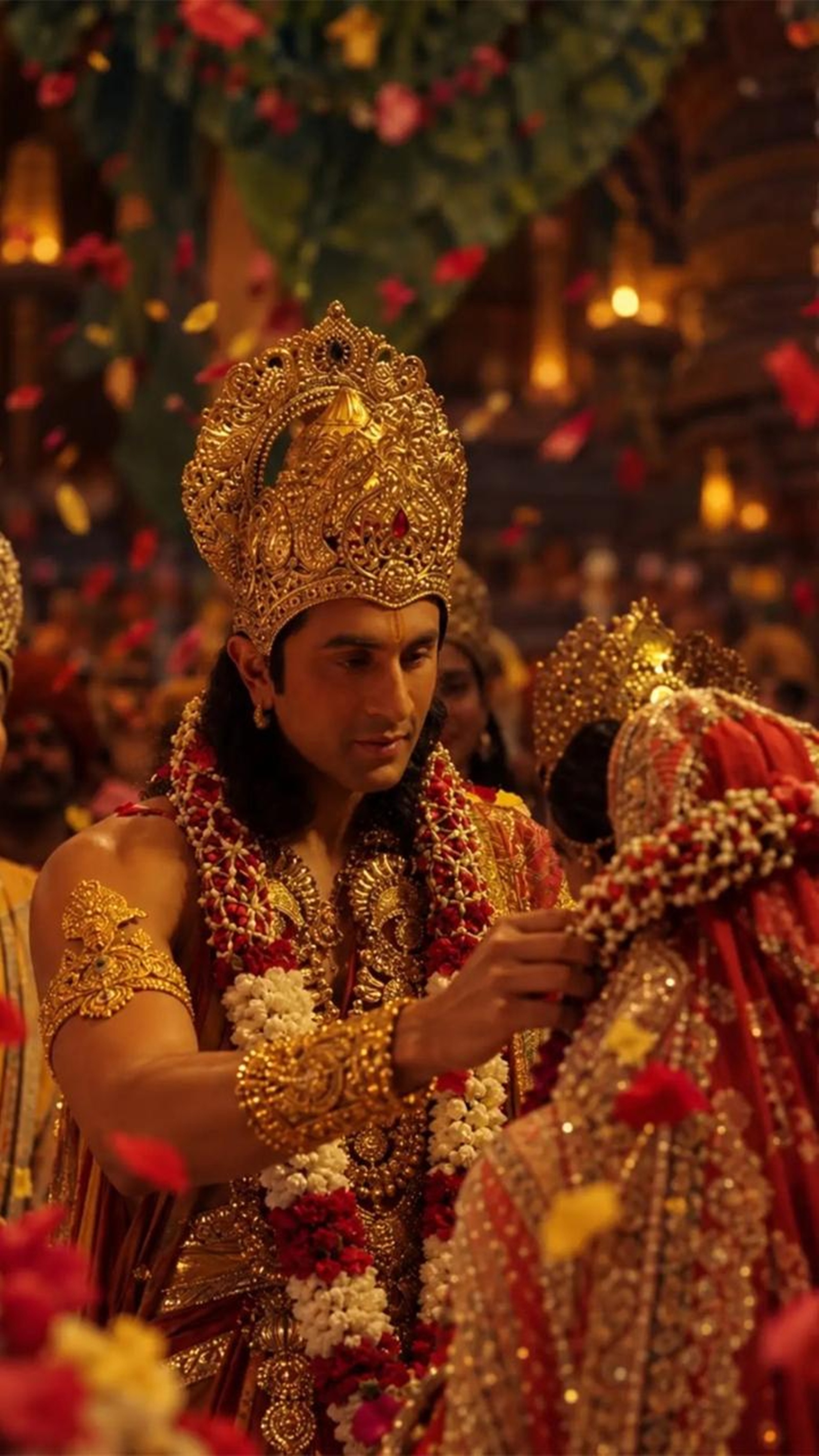 Ranbir Kapoor in Ramayana (Photo: PR Handout)
“Some coarse materials, velvets, and a lot of bejewelled embroidery were chosen for Lanka. For Lord Ram, it was a little more restrained, where less is more. Quality was chosen over quantity. Amongst 250 stoles which we produced in our factory in Delhi, only 15-20 could make it on Ranbir Kapoor as Ram because I had to scrutinise. Harpreet is very particular. The ones which felt absolutely enriching and had good quality embroidery made to Lord Ram’s body.”
Story continues below this ad
The project also brought together a large team of craftspeople. Rimple said, “We have 300-400 artisans working with us during 2024-25. We are retaining them for part 2. I hope we keep getting such good cinema.”
Two years devoted to the epic
Rimple said she spent two years working on Ramayana, with the costume process continuing throughout production. One of the particularly demanding sequences was the wedding involving all four couples—Ram and Sita, Bharat and Mandavi, Laxman and Urmila, and Shatrughan and Shrutakirti.
“I can’t forget that evening because so much was going on…imagine dressing four brides and four bridegrooms and that too in a godly way,” Rimple said. “We spent two years just doing Ramayana. I have not done anything else”.
Describing her partnership with Harpreet, she called him the “creator”. “I am the supporting cast. God has chosen us and given us this responsibility, and we have been able to fulfil it. It wasn’t easy when I look back,” she added.
Story continues below this ad
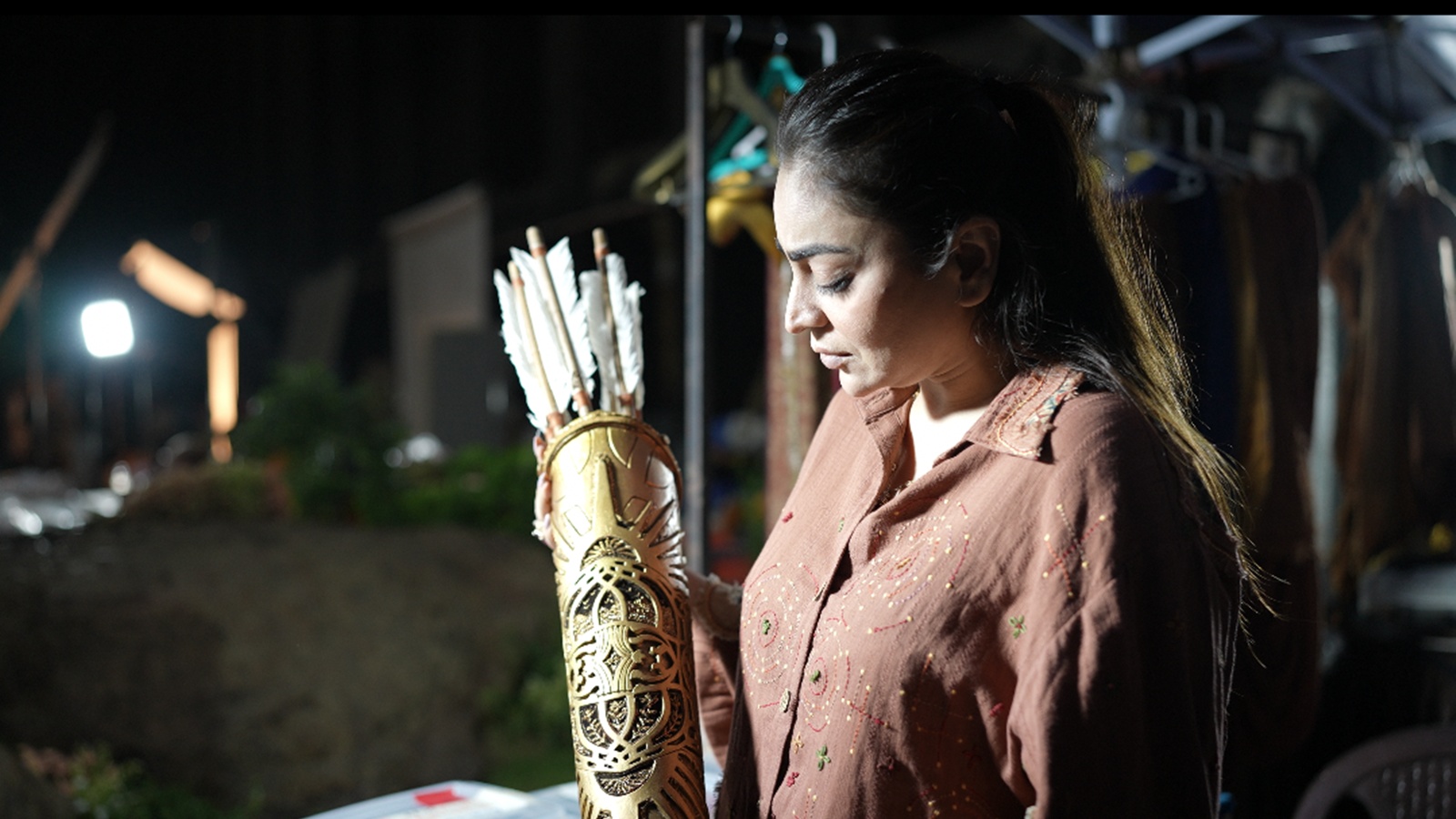 Rimple Narula inspecting the props (Photo: PR Handout)
Despite the long hours and pressure of working on a project of this scale, Rimple said she drew confidence from the commitment of the people involved, including producer Namit Malhotra and director Nitesh Tiwari.
“I already had a lot of faith because the film was made with utmost honesty, whether it was Namit Malhotra or the director Nitesh Tiwari. The relentlessness was already there. I could see that everyone had put the project beyond themselves because with this kind of day and night work, it is easy to get impatient,” said Rimple, who called the experience “spiritual, emotional, and godly”.
As for what lies ahead, Rimple hinted that the team had more milestones to work towards.
“Surprise, surprise. I am sure something is on the cards. I am sure we will get Oscars someday, and we have to keep working towards it,” she said.
KioskNews shows a cleaned-up reading view extracted from the publisher’s page — the original always lives on their site, not ours.