Iran under mounting oil pressure: Will Tehran hit back over US blockade?
US blockade chokes Iran’s oil revenue, Tehran may intensify efforts to break restrictions
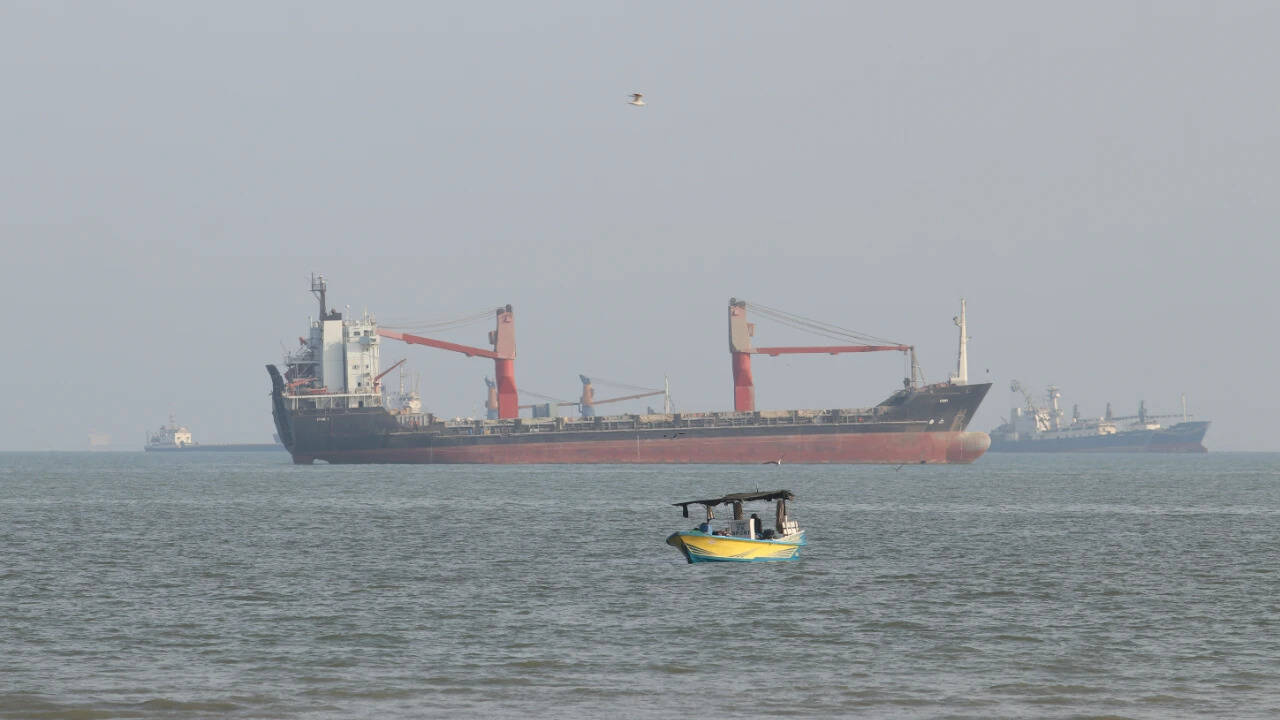
The US naval blockade on Iranian ports has weakened Tehran’s ability to generate revenue from oil exports, potentially pushing Iran to intensify efforts to break the blockade and challenge Washington’s restrictions.Iran is facing mounting financial pressure as the blockade curbs oil revenue, while cryptocurrency offers only a limited alternative for moving money, former US Treasury official Miad Maleki said in an interview with Iran International.The freezing of around $350 million in Iranian cryptocurrency and Washington’s claim that the blockade has prevented at least $25 billion in Iranian oil exports highlight the growing strain on Tehran’s finances.
Maleki said, however, that the loss of oil revenue posed the greater challenge for Iran.Blockade cuts off billions in oil revenueUS Central Command commander Admiral Brad Cooper said on Thursday that the maritime blockade had prevented Iran from exporting at least $25 billion worth of crude oil over 100 days.Iran initially continued selling oil that had passed through the Strait of Hormuz before the blockade and remained aboard tankers in international waters.
However, those floating reserves were depleted by mid-October, the Wall Street Journal reported on Wednesday, citing analysts at commodity-data firm Kpler.“There’s no more oil to discharge to China anymore,” Kpler’s head of crude oil analysis Homayoun Falakshahi told the Journal.“The economic clock of the Islamic Republic has basically stopped,” Maleki said, arguing that Tehran no longer had access to the oil revenue it previously relied on to finance imports.Import costs pose next challenge for TehranSome goods currently entering Iran were paid for earlier, while other imports continue to arrive through land routes, Maleki said.He warned that financial pressure would intensify when Tehran has to pay for new purchases and transportation costs without the oil revenue it previously relied on.“When they can no longer pay the cost of buying and transporting the goods they are now importing over land, that is when the problems will become much more difficult for the Islamic Republic,” Maleki said.He cautioned, however, that it remained difficult to determine how quickly Iran would reach that point.Yemen government forces consolidate control as Houthis target Saudi infrastructureMeanwhile, Yemeni government-aligned forces are continuing to consolidate control over territory along the southern end of the Red Sea coastal plain.The Houthis are continuing to attack Saudi government, civilian and oil infrastructure in an effort to pressure Riyadh into withdrawing its support for the Yemeni government and accepting Houthi demands.
KioskNews shows a cleaned-up reading view extracted from the publisher’s page — the original always lives on their site, not ours.