Why more than 1 million Brits have been ‘wrongly classified as obese’

Millions of people may have been wrongly labelled by the body mass index (BMI) scale, according to a new study, which found that the framework both overestimates and underestimates how excess body fat may affect health.
The study led by King’s College London, with a global team of researchers, suggested that in the UK alone, some 2.4 million people could have dangerous levels of body fat that BMI fails to pick up.
A further estimated 1.3 million people classed as obese may in fact have no excess fat and no excess risk.
The researchers said the “uniform” BMI tool cannot determine if someone is at risk of illness and may be preventing “personalised, proportionate care”.
Their new analysis included 844,108 adults living in the UK, China, the US and Spain. More than 430,000 of those taking part were part of the UK Biobank study.
The team tested the method of using BMI alongside other measurements, such as waist-to-hip ratio or waist-to-height ratio, to diagnose obesity.
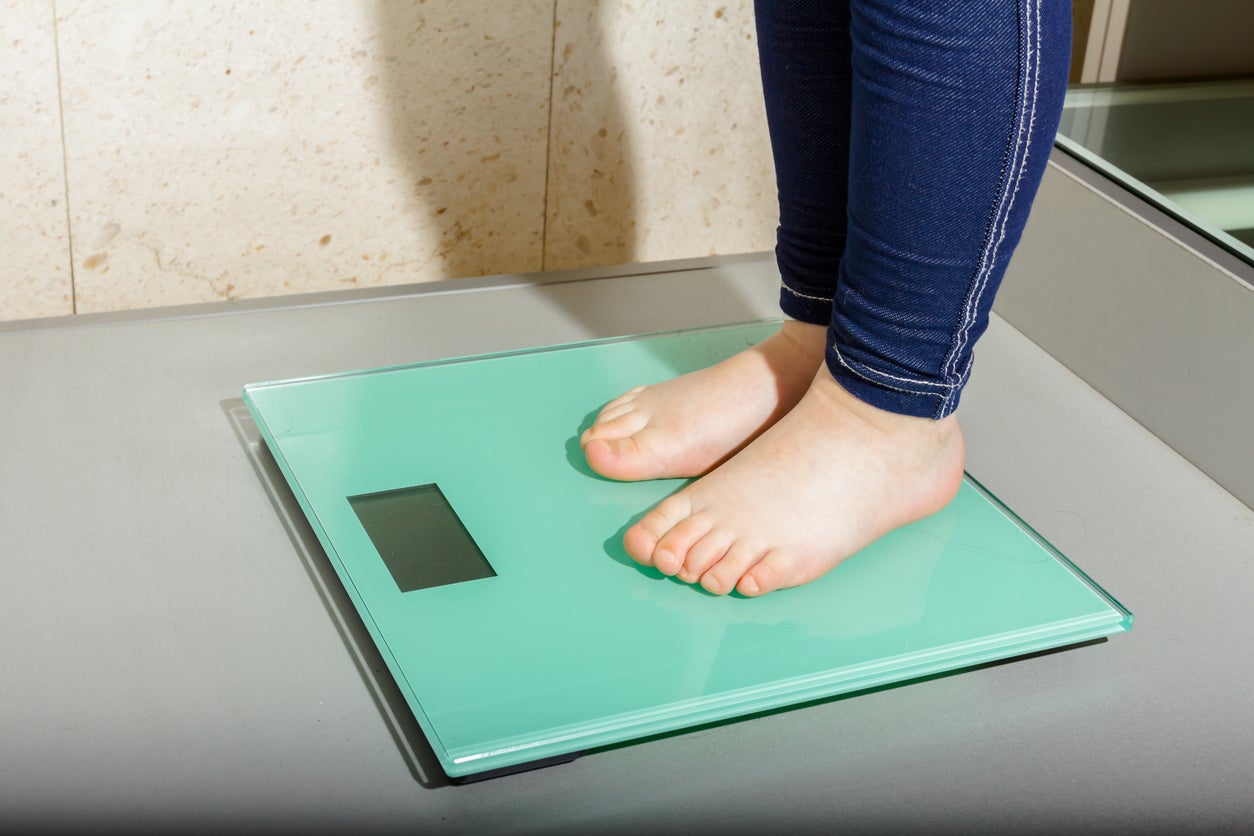
The suggestion had been made in a Lancet Commission comprising more than 50 international experts in January 2025.
When waist measurements were added to standard BMI assessments, the researchers found that BMI alone misclassified obesity.
Up to 8.6 per cent of people in the study had so-called “hidden obesity”, meaning they were classed as overweight on the BMI scale, but measurements revealed obesity-level body fat.
Meanwhile, up to 3.1 per cent were overdiagnosed as obese using BMI, but measurements showed no excess fat.
Professor Francesco Rubino, chair of metabolic and bariatric surgery at King’s College London, said BMI alone cannot determine if someone is already ill or at risk of illness.
He told a briefing: “BMI doesn’t tell you anything about body fat content.
“It doesn’t tell you whether a person’s organ is working or not. It doesn’t tell you if somebody, as an individual, is ill or healthy. It’s just a measure of the overall risk of ill health.
“Nevertheless, these BMI thresholds are being used to determine who receives treatment, or even who gets coverage for treatment, despite of the fact it doesn’t accurately measure the individual health.”
New framework
The study sets out a new diagnostic framework to help distinguish people with obesity – where excess fat impairs organ function – and pre-clinical obesity, where excess weight poses increased health risks, but the organs remain functional.
Prof Rubino said: “This study shows that up to a third of all cases of obesity are clinical obesity, an active disease that should be treated as such.
“Most people with preclinical obesity, but not all, remained free of clinical obesity for a decade.
“Preclinical obesity should therefore be neither treated automatically as active disease nor dismissed as harmless. Some people may need preventive treatment, but its intensity should match their individual risk.”
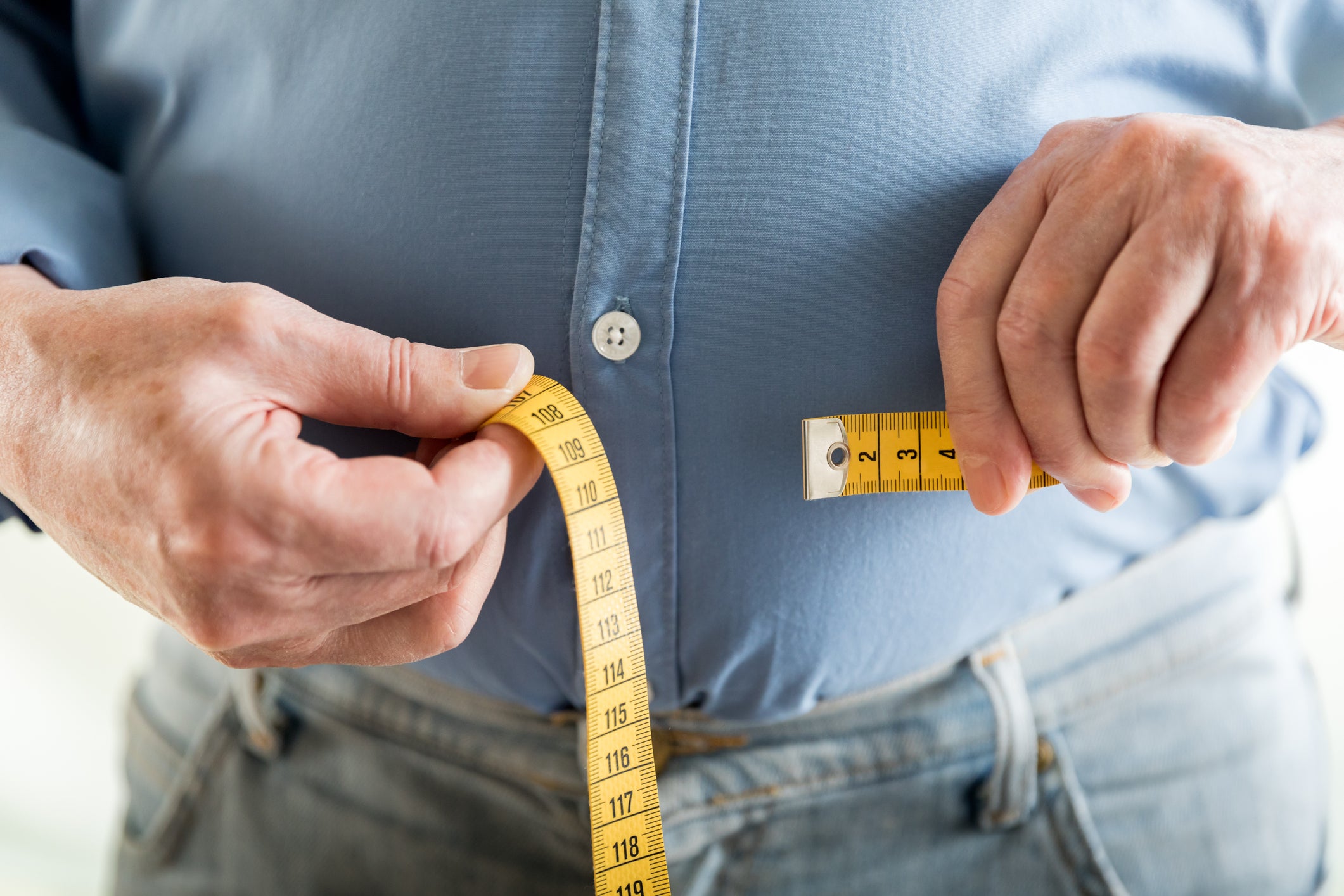
Prof Rubino suggests the new method “makes personalised, proportionate care possible, whereas a uniform BMI-based definition prevents it”.
“Getting the scope of care right – treating existing disease or reducing risk – and matching its intensity to individual needs matters enormously, both for the billion-plus people affected and for healthcare systems,” Prof Rubino said.
In England, about two-thirds of adults are estimated to be overweight or obese.
Prof Rubino said: “Because of the size of obesity, even these relatively small percentages in large populations can correspond to millions of people being assigned to one or another category, and being assessed clinically in a way that doesn’t correspond to their health status.
“The numbers can be very substantial, and that’s what makes the BMI system all the more problematic because it creates the problem.
“The inaccuracy of BMI at scale really applies to many, many, many people in every single country.”
KioskNews shows a cleaned-up reading view extracted from the publisher’s page — the original always lives on their site, not ours.