DepEd set to roll out ARAL for mathematics
Already have Rappler+?
to listen to groundbreaking journalism.
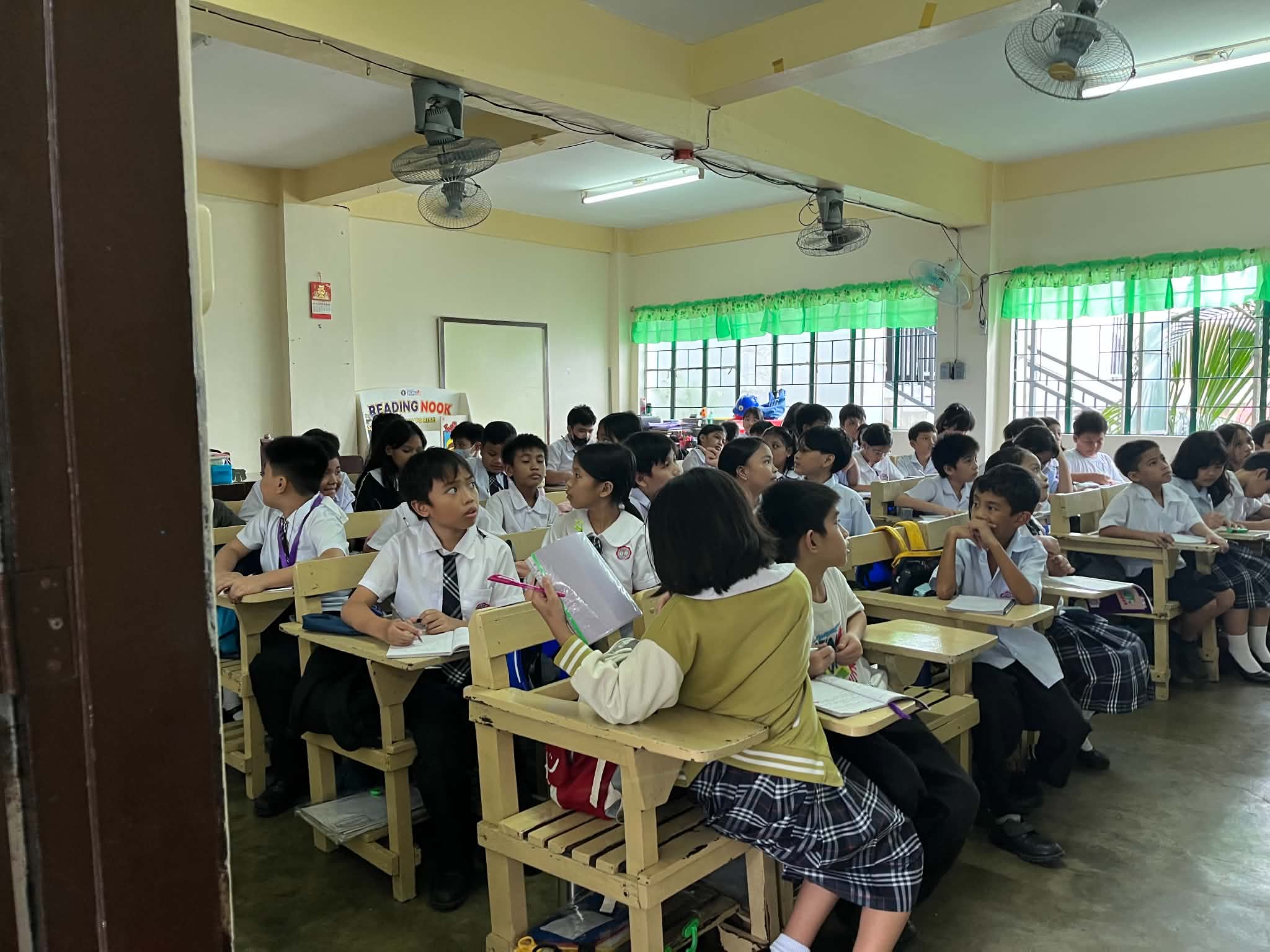
CLASS ONGOING. Students of Santolan Elementary School in Pasig City attend class on August 12, 2026.
Jelo Ritzhie Mantaring/Rappler
Grades 1 to 10 students assessed to be ‘not proficient’ or ‘low proficient’ in numeracy are the target participants of the ARAL Mathematics program
AT A GLANCE
- The Department of Education will introduce mathematics tutorials in its ARAL Program starting in school year 2026-2027.
- The ARAL Mathematics program aims to provide targeted and flexible support to students.
This is AI-generated. Read the article for full context. Report any errors.
MANILA, Philippines – The Department of Education (DepEd) will start to include tutorials for mathematics in its Academic Recovery and Accessible Learning or ARAL Program in school year (SY) 2026-2027.
Grades 1 to 10 students assessed to be “not proficient” or “low proficient” in numeracy are the target participants of the DepEd’s learning intervention program for mathematics, as they still need substantial guidance and support.
“The latest PISA (Programme for International Student Assessment) results showed us that real progress is possible when we focus on foundational skills, but it also served as a clear reminder of how much ground we still need to cover,” Education Secretary Sonny Angara said in a news release on Wednesday, October 7.
“With ARAL Mathematics, our goal is simple: to reach every learner, wherever they are in their learning journey. Whether a child needs help recognizing basic numbers or mastering algebraic concepts, we are building a system that gives them targeted, flexible support so no learner gets left behind.”
The implementation of the ARAL Mathematics program will start in Term 2 or “once schools are fully prepared and ready,” considering the availability of personnel, learning resources, and other implementation requirements, according to DepEd Memorandum No. 60 dated September 28.
The DepEd said the program, which will follow a self-paced approach, can be conducted using face-to-face, online, or blended learning sessions.
Students may be pulled out from their regular classes to participate in math tutorials or attend the sessions during off-school hours or weekends. Each session would run for an hour if held during weekdays, or two hours if during weekends.
A maximum tutor-to-student ratio of 1:15 must also be observed.
The PISA 2025 results showed that the Philippines posted an average score of 371 in mathematics, which was up by 16 points from the 2022 cycle. The country ranked 74th out of 90 countries in mathematics last year, an improvement from its previous ranking in the bottom 10.
But the global assessment also showed that 78.9% of 15-year-old Filipino students did not meet the minimum proficiency level for mathematics in 2025.
The Organisation for Economic Co-operation and Development, which administers PISA, explains that students with minimum mathematics proficiency skills can “interpret and recognize, without direct instructions, how a simple situation can be represented mathematically (e.g. comparing the total distance across two alternative routes, or converting prices into a different currency).”
The ARAL Program, institutionalized through Republic Act No. 12028 in October 2024, seeks to help public school students who struggle in reading, mathematics, and science, as a way to address the country’s learning crisis.
The DepEd started the ARAL Program in SY 2025-2026, but only for reading. – Rappler.com
KioskNews shows a cleaned-up reading view extracted from the publisher’s page — the original always lives on their site, not ours.