8 Forgotten '80s Comedy Movies That Aged Like Fine Wine

Michael Block is a 14 time GLAM Award nominated writer, producer, and host of the podcast Block Talk. Throughout his time in the entertainment industry, he has worked on and off Broadway as a stage manager, written several produced plays, critiqued hundreds of theatrical performances, drag and cabaret shows, and has produced events randing from drag competitoons to variety concerts!
On Block Talk, he interviews nightlife personalities, covers the wide world of entertainment through features, ranking episodes, and recaps ALL of Drag Race, as well as Dragula and Survivor. He has interviewed hundreds of RuGirls that span the globe at DragCon NYC, DragCon LA, and DragCon UK.
In his free time, he makes one-of-a-kind jewelry and gift baskets with his mom. He is a proud member of the LGBTQ+ community.
Sign in to your Collider account
The 1980s produced some of the most iconic films of all time. Whether it was groundbreaking sci-fi hits like Star Wars, the reinvigoration of action-adventure stories like Indiana Jones, or the rise of young stars in the Brat Pack films, the decade was filled to the brim with brilliance. In the comedy realm, it’s the time we were given classics like Spaceballs, Clue, and The Three Amigos. But while those films have remained timeless hits, there’s a bevy of titles that have fallen by the wayside.
Many films have aged quite poorly as unfortunate products of the time, but the films on this list may be forgotten, but they’ve aged like fine wine. From satirical road trip comedies to silly sci-fi wonders, the eight films on this list deserve another shot at being revered. How many of these movies do you remember, or saw the VHS case at Blockbuster back in the day?
1 'After Hours' (1985)

It might sound like a joke, but back in the day, Martin Scorsese directed a comedy. In the neo-noir black comedy After Hours, Paul Hackett (Griffin Dunne), a mild-mannered Manhattan word processor, has a simple late-night date with Marcy Franklin (Rosanna Arquette) in SoHo that spirals into a surreal, Kafkaesque nightmare. Stranded downtown without money and hunted by a hostile neighborhood mob, he spends the night desperately trying to make it back uptown before his morning shift begins. An overlooked cult classic, After Hours plays out like a modern-day Odyssey, turning a simple late-night date into a frantic, anxiety-inducing laugh fest.
One of the tensest comedies ever made, After Hours plays out like a darkly comic, high-stress thriller where the entire city of New York feels like a vast, conspiring labyrinth. Stellar performances anchor the film, including Catherine O'Hara, John Heard, and Tommy Chong. Having an innate bond with New York City, Scorsese filmed the movie entirely at night with kinetic style. He captures a pre-gentrified SoHo, filled with artists, lofts, eccentric characters, and a grimy, independent energy. With sharp editing by Thelma Schoonmaker and a pulsing synth score by Howard Shore, the movie captures a breathless, ticking-clock momentum. The film resonates today as its core themes of urban alienation, the loss of control, and the absurdity of modern life remain timelessly relatable. Though forgotten, After Hours helped pioneer the “yuppie nightmare” template that directly influenced modern cringe-comedies and surreal urban thrillers. It may have a cynical ending, but it mastered the hamster-wheel concept of modern labor and urban survival.
2 'Innerspace' (1987)

While many science fiction films of the decade scared and thrilled its viewers, Innerspace’s mission was to make people chuckle. Directed by Joe Dante, the film follows adventurous test pilot Tuck Pendleton (Dennis Quaid), who is miniaturized in a microscopic pod for a secret experiment and accidentally injected into the body of a neurotic supermarket clerk named Jack Putter (Martin Short). The unlikely duo must team up to outwit criminals, recover the stolen technology, and restore Tuck to his normal size before his oxygen runs out. A truly goofy high-concept comedy, Innerspace blends manic energy, a wildly inventive premise, and an all-star comedic and action cast that delivers a highly entertaining sci-fi romp.
Innerspace mixes classic Saturday-morning adventure with Looney Tunes-style slapstick and a surprisingly grounded emotional core. The odd-ball humor comes from the odd-couple chemistry between Quaid and Short. Quaid’s hotshot pilot serves as the perfect foil for Short, who masters the frantic, high-strung physical comedy. Meg Ryan, who met her future spouse on the project, stars as Lydia Maxwell, Tuck's ex-girlfriend who gets swept up in the chaos, bringing a charming performance that soon established her as a star. The film won an Academy Award for Best Visual Effects thanks to the innovative practical effects, scale models, and interior anatomy sequences. Industrial Light & Magic's work gives the film an enduring timelessness. Innerspace is a rare, self-contained high-concept original pitch that doesn’t require homework or franchise setup to enjoy.
3 'Johnny Dangerously' (1984)

The absurdity of the crime drama Johnny Dangerously is what makes the film an utter delight. The film follows an honest, good-hearted man, Johnny Kelly (Michael Keaton), who becomes a 1930s-style mobster to pay for his mother's expensive medical bills and put his younger brother through law school. Filled with rapid-fire slapstick, fourth-wall breaks, and visual non-sequiturs, the film is a smart spoof of crime thrillers in the vein of Airplane! or Top Secret! Johnny Dangerously works wonders thanks to its high-energy parody of 1930s and 1940s gangster films, rapid-fire gags, and a uniquely talented cast.
Directed by Amy Heckerling, the film throws a massive volume of gags at the screen so that even if a joke misses, the sheer speed keeps you laughing. The humor is one of the film’s charming attributes. One of the most famous running jokes involves the mobsters, namely Roman Moronie (Richard Dimitri), mangling curse words into bizarre, kid-friendly gibberish, like "fargan iceholes, to bypass the brand-new PG-13 rating. Long before Keaton’s iconic roles of Beetlejuice or Batman, he took on the sweet, good-hearted guy who turns to a life of crime for purely good reasons. He plays the part like James Cagney dropped into a live-action cartoon. Alongside him is a stacked comedy ensemble, including Joe Piscopo, Marilu Henner, Peter Boyle, Dom DeLuise, and Maureen Stapleton.
4 'Lost in America' (1985)

When it comes to hilarious aspirational concepts, the initial premise of Lost in America is it. But like a good comedy should, nothing goes according to plan. Directed by Albert Brooks, the comedy centers on David and Linda Howard (Brooks and Julie Hagerty), a wealthy Los Angeles yuppie couple who quit their jobs, liquidate their savings, and buy a Winnebago to travel cross-country. Their dream of dropping out falls apart when Linda gambles away their entire nest egg in Las Vegas, forcing them to take menial jobs and confront the realities of the American Dream. Lost in America sharply and hilariously mocks the narcissistic illusion of dropping out of society and chasing the Easy Rider counterculture dream.
Lost in America targets 1980s materialism, entitlement, and corporate ego through a satirical approach. Through a comedy of errors, the Howards are forced to come to grips with the reality of how fragile their anti-establishment fantasy truly is. The concept still hits home today. The chemistry between Brooks' frantic, high-strung neurosis and Hagerty's comedic innocence drives the humor. A standout highlight is David's pathetic, frantic negotiation with the casino manager, played by Garry Marshall, trying to get their money back by invoking "society". The script centers on genuine, cringe-inducing human behavior, desperation, and the humiliation of having to crawl back to reality. The majesty of the film is its ability to target the timeless human anxieties of burnout, economic fragility, and the illusion of the dream future. Despite a 95% score on Rotten Tomatoes and a National Society of Film Critics Award win for Best Screenplay, the film has largely been lost to time.
5 'Real Genius' (1985)

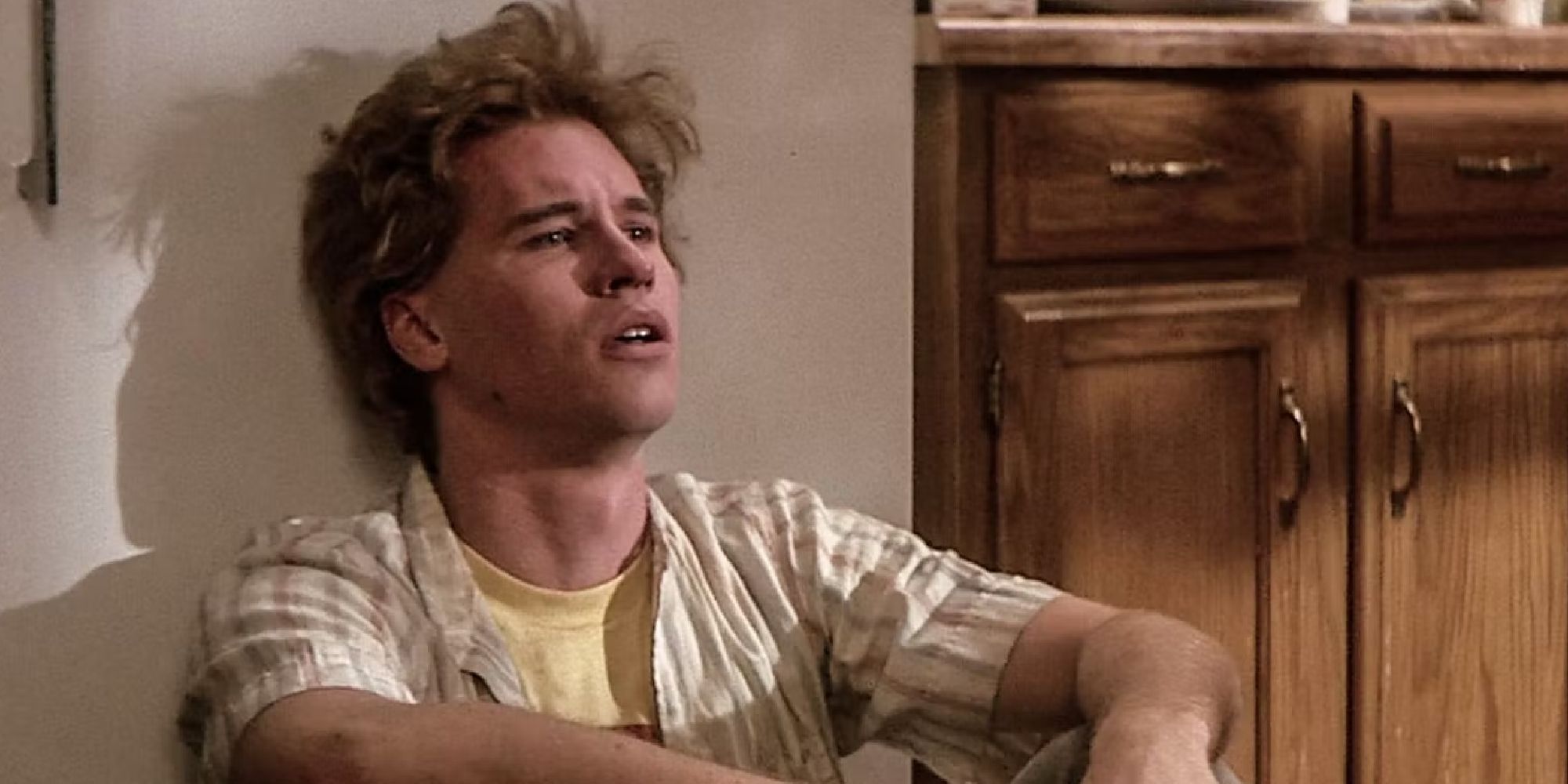
In a perfect marriage of sci-fi and humor, Real Genius provided a smart spin on the campus comedy. Directed by Martha Coolidge, the film follows Mitch Taylor (Gabriel Jarret), a 15-year-old physics prodigy, and Chris Knight (Val Kilmer), a slacker college senior, who team up at Pacific Tech University to build a high-powered laser. When they discover their professor, Jerry Hathaway (William Atherton), is secretly weaponizing their research for the military, they orchestrate an elaborate, high-tech prank to sabotage the project and get revenge. Real Genius is celebrated for its sharp wit and positive message about intelligence.
The heart of the film centers on its unique character duo. Instead of playing a generic party animal, Kilmer makes intelligence look appealing and helps ground the younger, high-strung prodigy. Kilmer’s natural charisma brings dry humor, irreverence, and effortless cool to the role. The movie consciously moves away from the crude, sex-obsessed tropes seen in other 1980s college comedies, forming its own identity in the process. That said, it’s those sex-obsessed comedies like Revenge of the Nerds that have stood the test of time. The film relies on a grounded scientific core as Coolidge researched real laser tech, consulted experts, and modeled Pacific Tech after Caltech, giving the scientific background a clever, grounded foundation. Real Genius is a genuine underdog story where intellect is celebrated. It’s geek solidarity at its finest.
6 'Real Men' (1987)

If there’s one thing that Real Men boasts, it’s a brilliant dynamic duo. The science fiction comedy directed by Dennis Feldman follows suave, rugged CIA agent Nick Pirandello (Jim Belushi), who recruits a meek, mild-mannered insurance salesman, Bob Wilson (John Ritter), who happens to be a dead agent's exact doppelgänger, to negotiate a vital survival package with aliens. As the pair cross the country, pursued by Russian spies and rogue agents, the milquetoast insurance man gradually gains confidence while helping save Earth from destruction. Real Men is known for its unhinged, deadpan absurdity, and off-beat charm.
The film relies on the classic yin-and-yang pairing of Belushi and Ritter. Their unique chemistry drives the action. The movie plays completely bizarre, non-sequitur scenarios with a straight face. From Ritter running through gunfights, pretending to shoot people with "finger guns" while yelling "Bang!" to an elite squad of assassins dressed as clowns, Real Men is silly to the max. The film subverted 1980s hypermasculinity on screen, putting the antithesis of Sylvester Stallone and Arnold Schwarzenegger in the leading roles. Their unique chemistry gentle deconstruction of the era's bombastic archetype was the film’s greatest asset. And yet, it’s why it ultimately flopped, as those macho men remained in the Hollywood spotlight.
7 'Ruthless People' (1986)

They may have been at the forefront of big hits, but Ruthless People was not really one of them. Directed by David Zucker, Jim Abrahams, and Jerry Zucker and written by Dale Launer, loathsome clothing manufacturer Sam Stone (Danny DeVito) plots to murder his wealthy wife, Barbara (Bette Midler), only to discover she has already been kidnapped by a disgruntled couple, Ken and Sandy Kessler (Judge Reinhold and Helen Slater) seeking financial revenge. Delighted to be rid of her, the husband refuses to pay the ransom, sparking a chaotic chain of double-crosses and failed blackmail schemes. Ruthless People delivers a wickedly smart script, high-energy farce, and a pitch-perfect cast playing gleefully unlikable characters.
Directed by the Airplane team, Ruthless People had a high bar to clear. The film relies on a breakneck screwball pace, rapid-fire dark humor, and escalating misunderstandings. Unlike many modern comedies that force a moral redemption arc or a soft emotional payoff, the movie lets its characters stay greedy, chaotic, and slightly worse for wear. The story stays delightfully mean-spirited without feeling dated by cringey or offensive social humor. DeVito and Midler hurl themselves fully into the chaos, turning a cynical, acid-soaked plot into a joyful, fast-paced crowd-pleaser. While it remains a high watermark of ‘80s dark farce, it has been forgotten due to the crew and cast’s bigger outputs.
8 'Used Cars' (1980)

A pitch-black satire of unfettered capitalism, political corruption, and media manipulation, Used Cars follows a fast-talking, unscrupulous salesman named Rudy Russo (Kurt Russell) who teams up with his colleagues to save a struggling car lot after its kindly owner, Luke Fuchs (Jack Warden), dies. They launch an escalating, wildly dishonest advertising war against the owner's ruthless twin brother and rival dealer across the street Roy L. Fuchs (Warden). Directed by Robert Zemeckis, the film became a cult classic for its manic energy and Russell's breakout, high-wire performance.
Co-written and directed by Zemeckis and Bob Gale prior to their work on Back to the Future, Used Cars treats late-stage American commercialism like a blood sport. As the two rival lots try to out-scam each other, the promotions, stunts, and dirty tricks spiral completely out of control. Zemeckis injected the R-rated comedy with breakneck pacing, massive practical stunts, and a raucous, anything-goes grindhouse spirit. Russell is endlessly charming and showcases a gift for fast-talking physical comedy. Though it underperformed at the box office due to a botched studio rollout and stiff summer competition, fond fans have embraced it.
KioskNews shows a cleaned-up reading view extracted from the publisher’s page — the original always lives on their site, not ours.