US raises Kenya travel advisory as Ebola cases reach eight
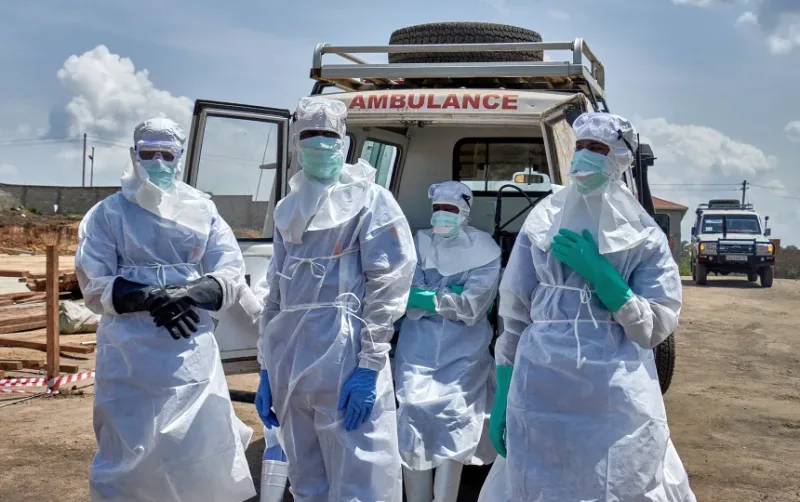
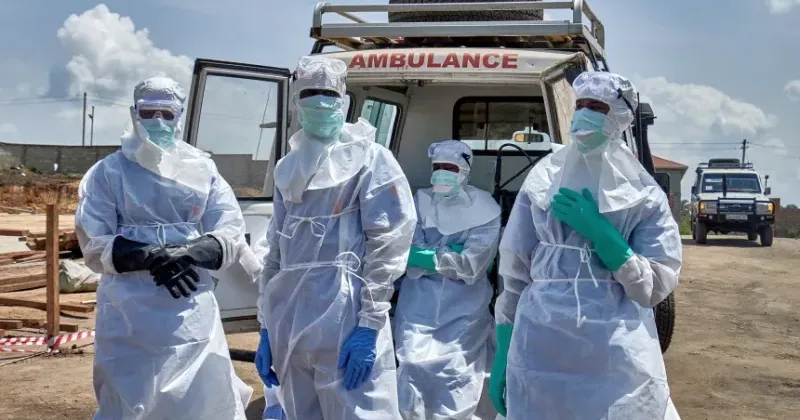
NAIROBI, Kenya, Oct 20 – The United States has raised its travel advisory for Kenya to Level 3, urging Americans to reconsider travel to the country following the confirmation of eight Ebola cases, including one death, amid concerns over regional transmission.
The US Department of State issued the updated advisory on October 19, moving Kenya from Level 2 to Level 3 because of health risks.
“Please see our section on Travel from Ebola-Impacted or Elevated Risk Countries section. Medical services in Kenya are limited,” read the advisory in part.
“They are often unavailable in rural areas. Medical facilities in Kenya often lack sufficient medicine and equipment.”
The warning comes as Kenya manages its first reported cases of Ebola caused by the Bundibugyo virus, linked to an outbreak in the Democratic Republic of Congo (DRC).
Kenya confirmed its first case in early October after a Kenyan man who had been living in the DRC travelled through Uganda to Nairobi. He was admitted to hospital but died on October 5.
Subsequent infections among relatives and healthcare workers raised the national tally to eight by October 18, according to health officials.
The latest case involved a 49-year-old hospital attendant who had cared for the initial patient. He tested positive while in quarantine, highlighting the risk of transmission among people exposed to infected patients.
Authorities have identified 130 contacts linked to the initial case, with 128 traced and placed under quarantine, while efforts to locate the remaining two continue.
Officials have said there is no evidence of wider community transmission and that the risk to the general public remains low.
Kenya has strengthened screening at border points and airports, contact tracing, laboratory testing and isolation arrangements.
Before the first case was confirmed, the Health Ministry said more than 652,000 travelers had been screened since the regional outbreak began, while 267 samples had been tested.
The US Centers for Disease Control and Prevention issued a Level 1 health notice for Kenya on October 19, recommending usual travel precautions rather than advising against all travel.
It urges travelers to avoid contact with people showing Ebola symptoms or their bodily fluids and to seek guidance from health authorities if symptoms develop.
The Bundibugyo strain has no approved vaccine or specific treatment, although early supportive care can improve a patient’s chances of survival.
The wider outbreak in the DRC has recorded thousands of infections and deaths, placing pressure on regional surveillance and response systems.
KioskNews shows a cleaned-up reading view extracted from the publisher’s page — the original always lives on their site, not ours.