Energy storage mandate: Why power distributors face a funding challenge
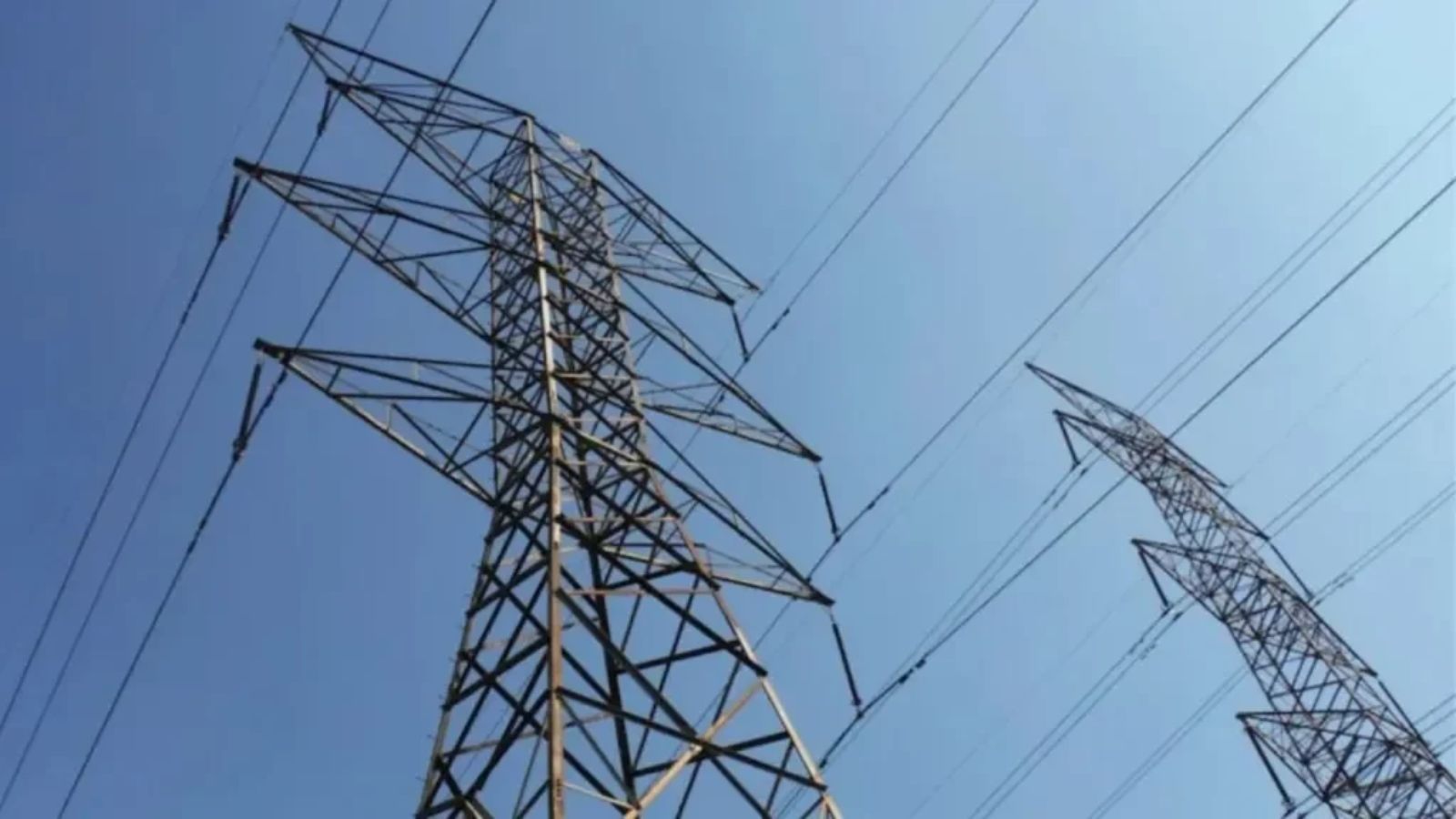
As the government works on a mandate requiring electricity distribution utilities (discoms) to add energy storage capacity, concerns are emerging over the ability of financially stressed discoms to shoulder the additional investment burden, given their already stretched finances and limited capacity to fund new infrastructure.
While the specific storage capacity that utilities will be required to procure has not been finalised yet, the proposed mandate is at an early stage of formulation, with its contours still being worked out.
The development comes as energy storage systems are becoming vital as the country rapidly scales up its renewable energy capacity to meet its climate goals. However, the growing share of intermittent renewable sources such as solar and wind is posing a challenge for the power system: generation is often abundant during certain hours but insufficient to meet demand at other times.
Energy storage systems can address this mismatch by storing surplus electricity when renewable generation is high and releasing it when demand rises or generation from these sources falls.
The government has already proposed making battery storage mandatory for all new government solar and wind power projects from July 2027. The proposed mandate is expected to extend the storage requirement beyond project developers to electricity procurers, including discoms, which purchase power from generating companies. This would mean that utilities may also have to factor storage capacity into their power procurement plans.
Concerns over such mandate
According to experts, if such a mandate comes into effect, it could add to the financial burden on discoms, many of which are already struggling with weak balance sheets and mounting liabilities.
Most state-owned utilities continue to incur losses and rely on borrowings to fund operating shortfalls and accumulated liabilities. Public sector discoms have accumulated losses of Rs 6.77 lakh crore and borrowings of Rs 7.11 lakh crore.
Story continues below this ad
Their already strained financial position also affects their borrowing costs, with lenders charging higher interest rates to utilities with weaker financial health. Any additional borrowing to finance energy storage infrastructure could therefore further increase their debt-servicing burden.
Anoop Singh, Founder and Coordinator of the Centre for Energy Regulation and Energy Analytics Lab at IIT Kanpur, said energy storage systems (ESS), either in hybrid mode or on a standalone basis, have become indispensable with increasing share of renewables in the Indian grid.
Singh said that while the Ministry of Power in July 2022 had outlined an Energy Storage Obligation (ESO) trajectory, envisaging the requirement to increase from 1% of the total electricity consumption in financial year (FY) 2023-24 to 4% by FY29-30, subsequent notifications excluded any mention of ESO.
“The choice between capex and opex model is guided by the competitive cost discovery and operational risk hedging for discoms,” he said, adding that implementing such a mandate through the capital expenditure (capex) route could be challenging for discoms, given their already strained financial situation.
Story continues below this ad
“Procurement of energy storage services through competitive bidding, for example through SECI (Solar Energy Corporation of India Ltd), may be more economical as such aggregated bids would ensure scale and cost competitiveness for discoms,” he said.
Singh maintained that further studies can help assess the need for such storage requirements that may vary across states.
“Apart from grid-level storage requirements, growing deployment of rooftop solar would also necessitate Distribution Energy Storage Systems (DESS) or the Community Energy Storage Systems (CESS) to be implemented by the discoms,” he added.
Satyendra Nath Kalita, Director of Policy and Regulatory Affairs at the All India Discoms Association (AIDA), said the government should avoid prescribing a uniform storage mandate for all discoms, as electricity demand patterns and storage requirements vary across states.
Story continues below this ad
“Requirements are not the same for all discoms, so it should not be a fixed percentage or a blanket requirement. Demand patterns differ from state to state. Any such requirement should be determined after due diligence by the respective State Electricity Regulatory Commissions,” Kalita said.
Queries sent to the Ministry of Power did not elicit any response till press time.
KioskNews shows a cleaned-up reading view extracted from the publisher’s page — the original always lives on their site, not ours.