Schizophrenia-related disorders lead mental health cases recorded in Ghana
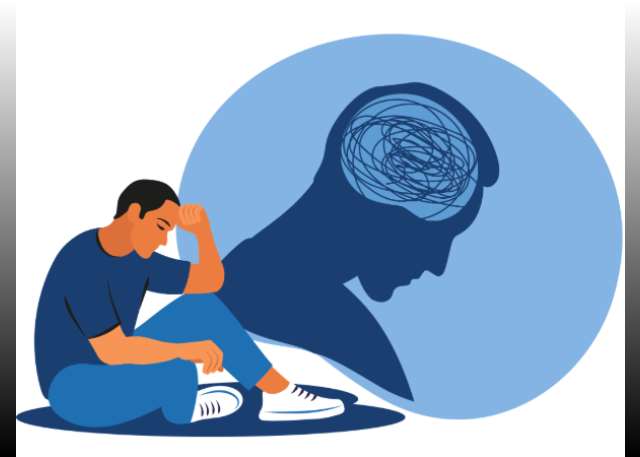
Ghana’s Mental Health Authority recorded 36,196 cases involving five major mental health conditions between January and June 2026, an increase of 6,414 over the same period last year. The Authority is also calling for people with lived experience to help shape mental health policies and services.
Ghana’s Mental Health Authority (MHA) recorded 36,196 cases involving five major mental health conditions between January and June 2026, an increase of 6,414 over the same period last year.
The figures, released ahead of World Mental Health Day on October 10, compare with 29,782 cases recorded in the first half of 2025.
Schizophrenia, schizotypal and delusional disorders accounted for 15,193 cases, followed by epilepsy with 9,072 and depression with 5,939.
Mental disorders associated with alcohol use recorded 3,081 cases, while bipolar disorder accounted for 2,911.
The Authority cautioned that the figures cover only five of the 10 conditions included in its analysis. They also exclude people who may not seek treatment because of stigma and other barriers.
It said the increase in reported cases could partly reflect more people seeking help and accessing treatment, meaning the figures should not automatically be interpreted as evidence of a corresponding rise in the overall prevalence of mental health conditions.
The MHA warned that mental health conditions could affect Ghana’s productivity by reducing workforce participation, placing pressure on families and undermining national development.
This year’s World Mental Health Day will be observed under the theme, “Lived Experiences Heard: Real Voices, Real Change.”
The campaign seeks to ensure that people who have experienced mental health conditions participate in shaping the policies, services and decisions that affect their lives.
The MHA is urging government, health professionals, schools, civil society organisations, development partners, traditional and religious leaders, families, communities and the media to involve people with lived experience in planning, implementing and evaluating mental health programmes.
It says people living with mental health conditions should not be viewed merely as recipients of care, but recognised as individuals with strengths, talents and aspirations who can contribute to improving services.
The Authority identified stigma and misconceptions as major barriers to open discussions and access to treatment. It called for safe, supportive environments where people can speak about their experiences without discrimination.
It also urged the media to report mental health issues accurately and respectfully, amplify the voices of people with lived experience, and protect their dignity, privacy and wellbeing.
As part of the commemoration, the Authority will organise mental health awareness campaigns in schools, led by people with lived experience.
The campaigns are expected to encourage supportive attitudes among students and promote discussions about care, recovery and appropriate policy interventions.
The MHA will also host an online panel discussion on Saturday, October 10, from 4 p.m. to 6 p.m., on the topic, “Turning Lived Experiences into Real Change in Mental Health.”
The discussion will bring together people with lived experience, mental health advocates, a clinical psychologist and a psychiatrist to explore how personal experiences can inform mental health care and policy.
Deputy Chief Executive of the Authority, Dr Vivian Maame Aba Dadzie, is urging stakeholders to translate the experiences of people living with mental health conditions into meaningful decisions and action.
She called on health professionals to provide compassionate, evidence-based care; traditional and religious leaders to promote healing without harm; and civil society organisations and development partners to strengthen advocacy and service delivery.
Government, she said, must provide leadership, resources and enforce relevant laws, while families and communities should offer acceptance, care and solidarity.
The Authority reaffirmed its commitment to public education and people-centred mental health care, stressing that listening to people with lived experience must lead to decisions that improve their lives.
People experiencing distress and needing support can call the MHA’s toll-free helpline on 0800 678 678.
DISCLAIMER: The Views, Comments, Opinions, Contributions and Statements made by Readers and Contributors on this platform do not necessarily represent the views or policy of Multimedia Group Limited.
Tags:
DISCLAIMER: The Views, Comments, Opinions, Contributions and Statements made by Readers and Contributors on this platform do not necessarily represent the views or policy of Multimedia Group Limited.
KioskNews shows a cleaned-up reading view extracted from the publisher’s page — the original always lives on their site, not ours.