Eviction sword hangs over Akshara, Indian theatre’s iconic ‘home for the mind’
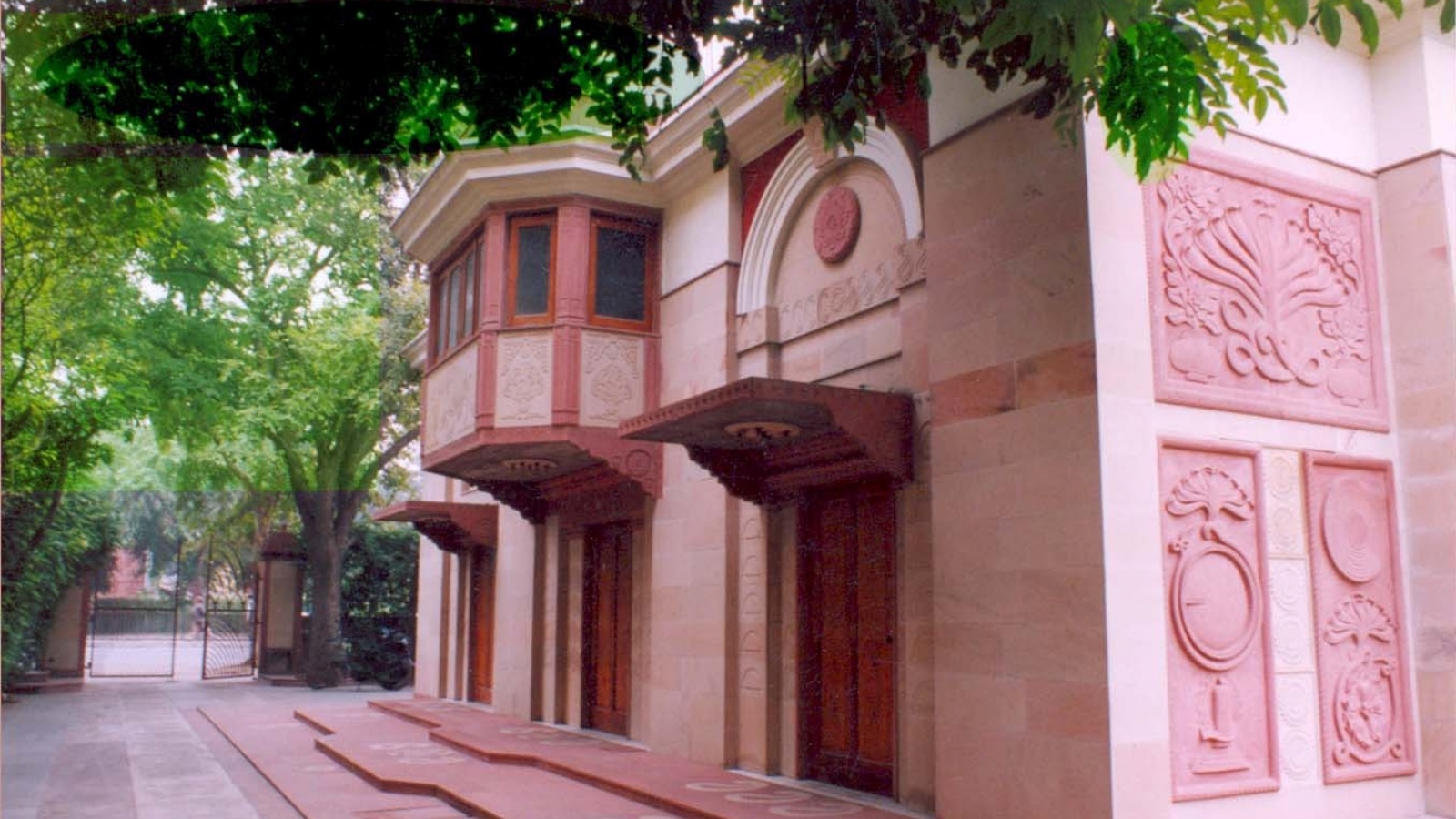
In 1976, during the Emergency, a small theatre in Delhi staged a satirical play, Let’s Laugh Again, targeting Prime Minister Indira Gandhi and several other important leaders. People were scared at first, but after a while, they found the courage to laugh. The play became so successful that there were shows at 9.30 am, 3.30 pm, 6.30 pm and sometimes, 9.30 pm.
This was Akshara Theatre on Baba Kharak Singh Marg, a cultural landmark of great historical significance, and older than Mumbai’s Prithvi Theatre. Akshara was founded and run by a theatre couple, playwright-director Gopal Sharman and actor-director Jalabala Vaidya, as a “home for the mind”. The patrons of Akshara included, at various times, the Nehru-Gandhi family, including Indira and Rajiv, and former Prime Ministers Atal Bihari Vajpayee, I K Gujral, Morarji Desai, and P V Narasimha Rao.
Last Friday, the Delhi High Court stayed proceedings initiated by the Land and Development Office of the Union Ministry of Housing and Urban Affairs to evict the 54-year-old theatre from its premises adjacent to Ram Manohar Lohia Hospital. After Sharman’s death in 2016 and Jalabala’s in 2023, the couple’s daughter, filmmaker-theatreperson Anasuya Vaidya is leading the fight to save Akshara.
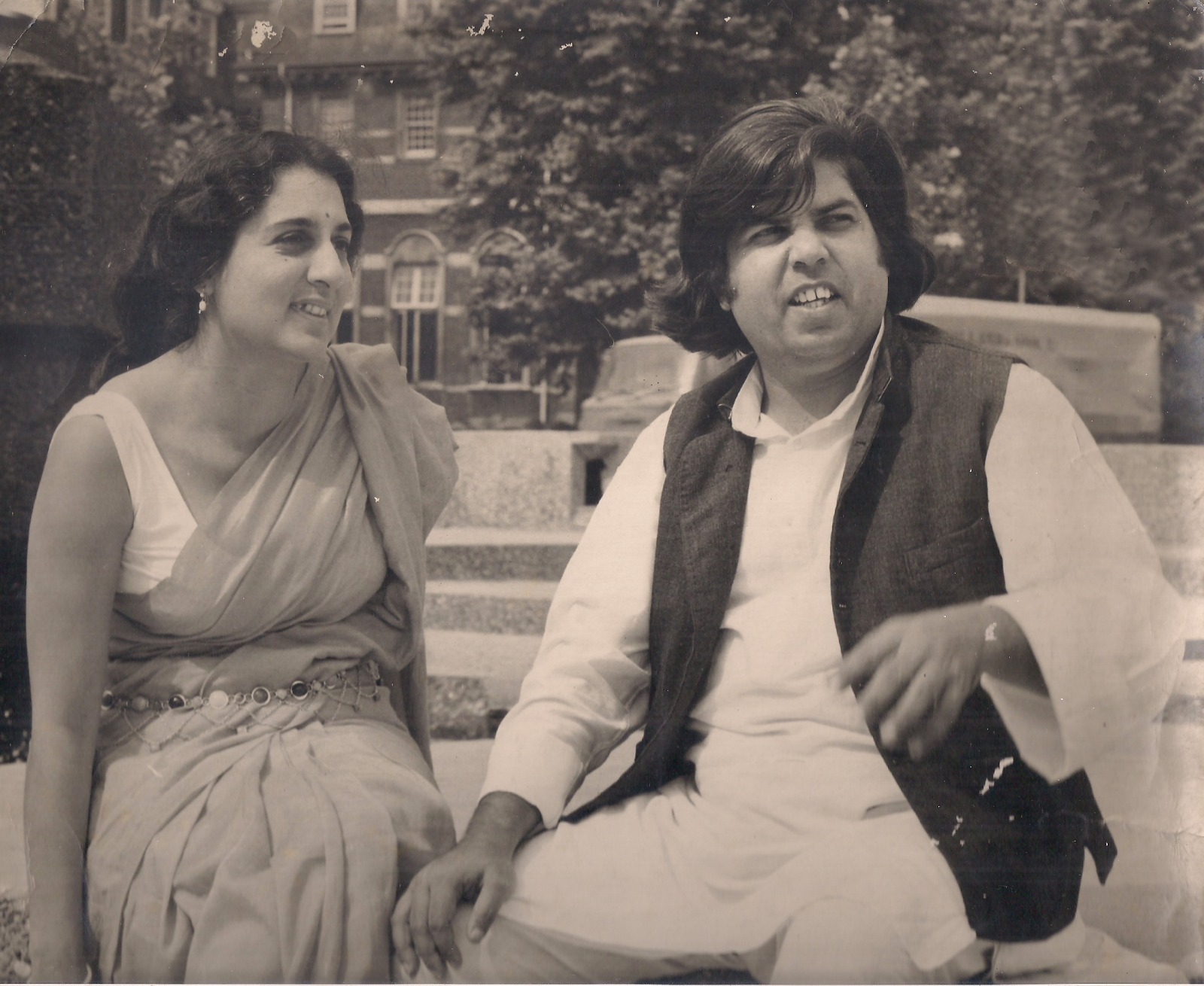 Gopal Sharman and Jalabala Vaidya, the theatre couple who set up Akshara. Photo courtesy: Akshara Theatre
In 1969-70, Sharman and Jalabala performed their production, Full Circle, in Europe and the UK, which was among the earliest Indian theatre tours of the West. The Indian government agreed to give them accommodation in Delhi, and the couple were offered several sites to choose from.
“One of these places was where Akshara now stands. It had a big gulmohar tree in the lawn, and a champak tree, a jacaranda tree, a mango tree and a guava tree,” Anasuya said.
Sharman famously crafted Akshara with his own hands, using carved Dholpur stone, and designing it like a musical instrument. Under his supervision, a family of masons and carpenters built a stage of teak and rosewood, which projected sound into the seating area that was panelled with soft woods like pine, cedar, and deodar to absorb the sound. Working with a team of metal workers, Sharman also designed all the chairs in the amphitheatre.
On March 11, 1972, Akshara opened as a 50-seater theatre. It was expanded in 1994, after the government gave it more space – it is this theatre that exists at present on the 0.72 acre plot.
Story continues below this ad
The first play to be performed at Akshara was the Ramayana. In the 1980s, Akshara took its theatre to Hyderabad, Visakhapatnam, Chandigarh, and Jammu among other cities.
“We wanted Akshara to be for artists who did not have to conform to existing trends, people who were innovative and who did not find a forum elsewhere. Akshara became a space for struggling artists who couldn’t afford to put on a play anywhere else. We wanted Akshara to be a home for independent theatre,” Anasuya said.
Over the years, a lot of young artists began their careers at Akshara. Stand-up comedy in Delhi took its first steps here. Colleges held their theatre festivals at Akshara. “We gave props and costumes to people,” Anasuya said.
In 2013, after the National School of Drama cancelled two Pakistani plays, one of the plays, Ajoka Theatre group’s Kaun Hai Yeh Gustakh based on the life and legacy of Saadat Hasan Manto, was staged at Akshara. Later, Akshara hosted a theatrical reading and performance of the erotic novel Fifty Shades of Grey. At the same time, the theatre worked with children, including underprivileged children.
Story continues below this ad
“Akshara is one of the most intimate spaces for theatrepersons to perform in Delhi, with wonderful warm acoustics. Over the past decade or so, it has been one of the few theatre spaces available in the capital for young performers to try their talents in stand-up comedy. Unlike bigger theatres in the city, Akshara is open and affordable, and the management is very welcoming of young talent,” eminent theatre personality Sunit Tandon said.
Akshara, Tandon added, is possibly the only brick-and-mortar theatre in India that has staged the Ramayana on Dussehra and Ram Navami continuously for more than 50 years.
Long-time visitors to Akshara recall watching plays in a welcoming space in which warm soup was offered free to everyone during the interval or at the end, which provided a reason for everyone to stay for longer in the lobby to discuss the layers of a performance.
Now isn’t the first time that Akshara has had a sword hanging over it. During the Emergency in 1975-76, a notice arrived from the government saying the theatre was in line to be demolished.
Story continues below this ad
An intervention by Indira’s minister Y B Chavan saved Akshara – but some months into the Janata government, a new eviction notice arrived. Action was deferred on this occasion as well.
After Indira returned to power, the government sent yet another letter. But this time, the Prime Minister herself saved Akshara. Jalabala received an invitation to tea from Indira, and the order was set aside, Anasuya said.
“In our country, we talk a lot about culture. But Indian culture is sustained by artists, musicians, singers, storytellers, dancers, painters, sculptors, thinkers, and philosophers. If you don’t protect them, what Indian culture are we going to be left with?” she said.
KioskNews shows a cleaned-up reading view extracted from the publisher’s page — the original always lives on their site, not ours.